Heijō Palace, Archaeological site and former imperial palace in Nara, Japan
Heijō Palace was the walled imperial residence and government centre at the north end of Heijō-kyō, today's Nara. Its 120-hectare enclosure held the Daigokuden audience hall, the Chōdō-in ceremony courtyard, the emperor's Inner Palace and ministry offices. The reconstructed First Daigokuden, a two-storey timber hall with vermilion columns and a coffered ceiling, and the Suzaku Gate now stand on the site.
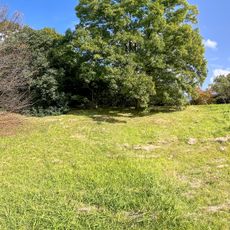
Established in 710 when Empress Genmei moved the capital from Fujiwara-kyō, the palace served as the imperial residence and administrative centre until the capital was moved to Nagaoka-kyō in 784. Emperor Shōmu temporarily relocated the capital to Kuni-kyō and Shigaraki between 740 and 745, prompting major changes to the palace layout. After 784, Emperor Heijō briefly built a new palace on the site of the First Daigokuden, but the complex was later abandoned and turned into farmland.
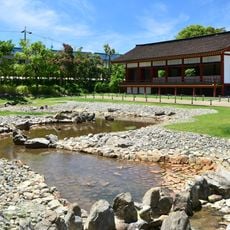
The East Palace Garden shows how the imperial court relaxed and celebrated together. Visitors can still see the ponds and bridges that were used for imperial banquets and ceremonies.
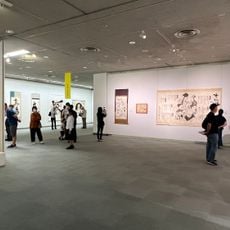
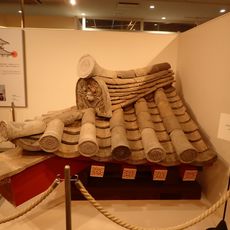
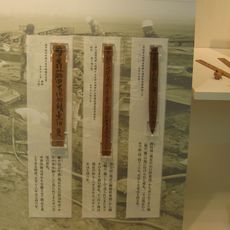
The grounds are large, so wearing comfortable shoes and allowing time for a leisurely walk is advisable. The exhibition hall with archaeological finds and information panels helps with orientation and understanding the different areas.
Inside the reconstructed Daigokuden hall stands an ornate throne platform with elaborately decorated ceilings depicting animals and lunar calendar symbols. This decoration reveals the artistic standards and cosmic beliefs held at the imperial court.
The community of curious travelers
AroundUs brings together thousands of curated places, local tips, and hidden gems, enriched daily by 93,470 contributors worldwide.