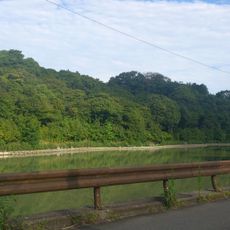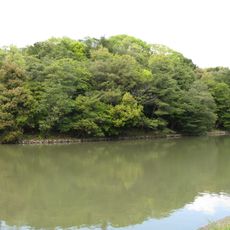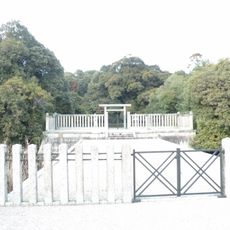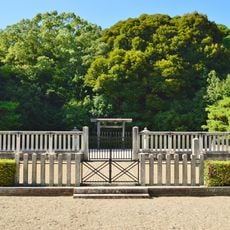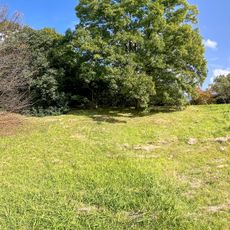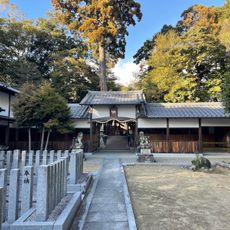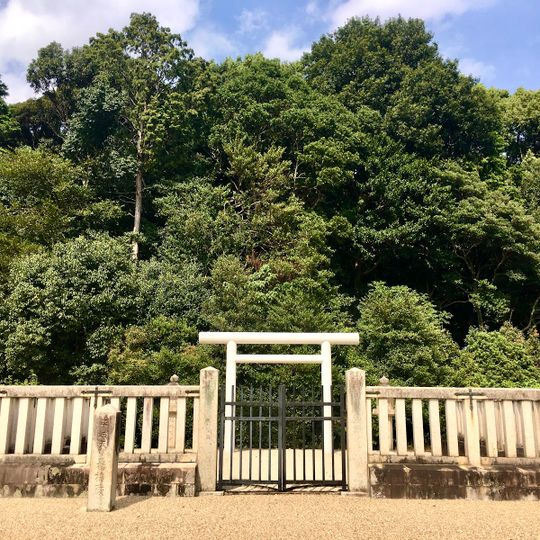
Ichiniwa Kofun, Imperial burial mound in Nara, Japan
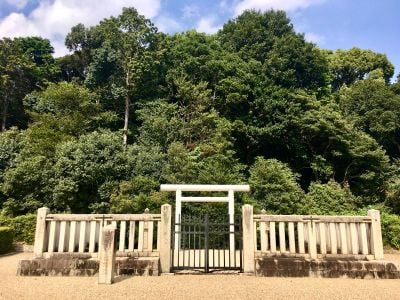
Ichiniwa Kofun is an imperial burial mound in Nara with a distinctive keyhole shape made up of a circular rear section and a rectangular front portion. The entire structure stretches roughly 250 meters and shows the typical grave architecture of the highest social classes.
The mound was built in the 5th century and formed part of the Saki-Tatenami Kofun Cluster, a group of ancient burial sites. This period marked a peak in the development of burial techniques and monumental architecture in early Japan.
The mound shape shows how Japan's ruling class was buried and how they expressed their status through the tomb's design. You can still see today how this construction style reflected the social rank of the person buried here.
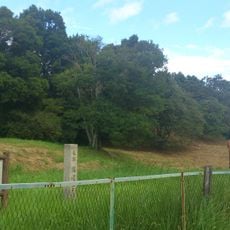
The front section was altered during the construction of Heijo Palace, but the circular rear portion remains visible. Visitors should explore the site from outside and observe the remaining mound shape.
Archaeological excavations revealed burial chambers with specific artifacts that help us understand the funeral customs of that time. These discoveries provide a rare glimpse into the daily life and beliefs of the ancient elites.
The community of curious travelers
AroundUs brings together thousands of curated places, local tips, and hidden gems, enriched daily by 91,856 contributors worldwide.