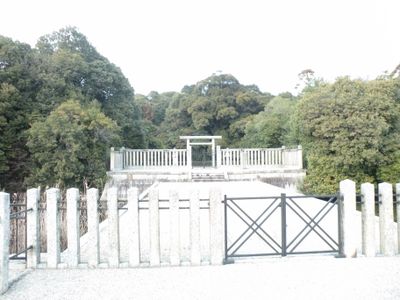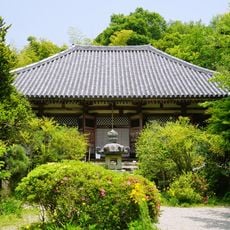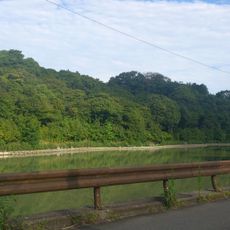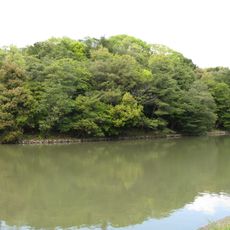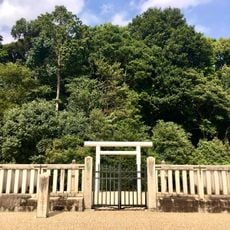
Hishiage Kofun, Ancient burial mound in Nara, Japan
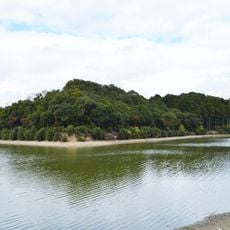
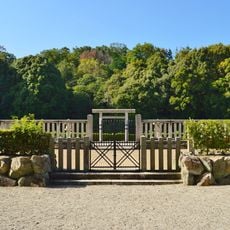
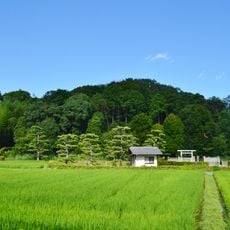
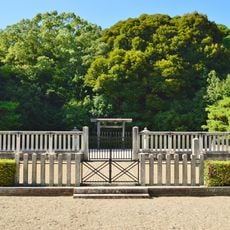
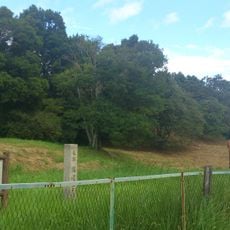
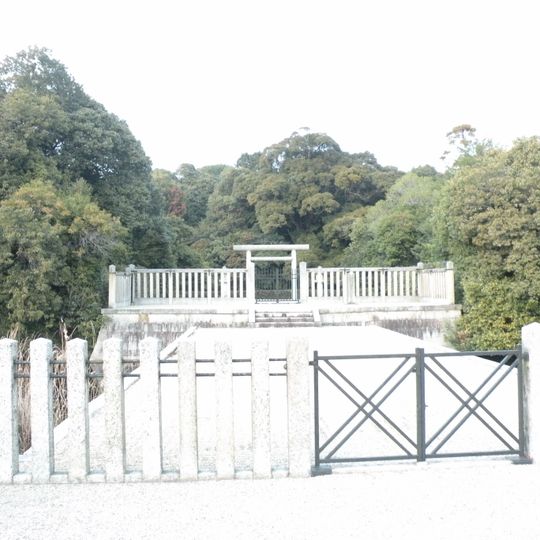
Hishiage Kofun is a burial site in Nara built with a distinctive keyhole shape, combining a circular front section with a square rear section. The structure stretches several hundred meters and represents the elaborate construction methods used for imperial tombs of that era.
The burial mound was built around 500 CE as part of a tradition of constructing such monuments for the imperial class. It belongs to a larger cluster of similar tombs in the region, showing how central these structures were to society at that time.
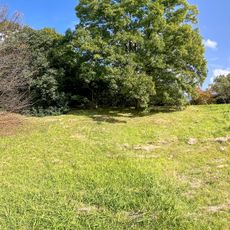
The keyhole shape signals how ancient people honored their leaders through monumental architecture that expressed rank and importance. Walking around the site today, you notice how such monuments remain woven into the local landscape as living reminders of the past.
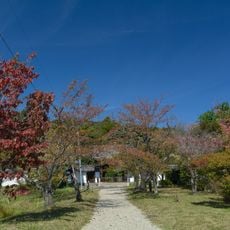
The site is open during daytime hours and has informational panels that explain the archaeology and significance of the monument. Allow plenty of time to explore the entire structure, as it spans a large area across the landscape.
The construction required sophisticated engineering, with earth layers systematically compacted to create stable elevated structures. Such building techniques reveal the advanced knowledge of those who directed these projects.
The community of curious travelers
AroundUs brings together thousands of curated places, local tips, and hidden gems, enriched daily by 91,725 contributors worldwide.