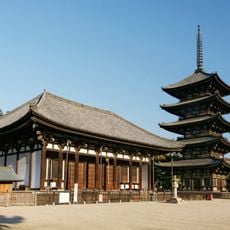
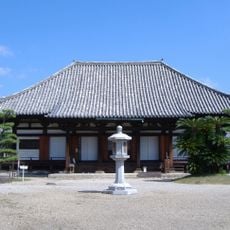
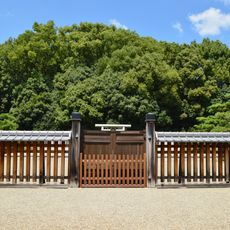
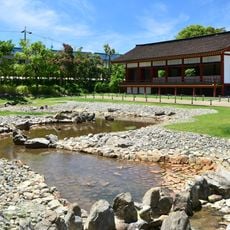
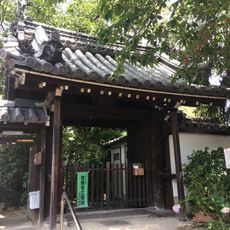
Kairyūō-ji, Buddhist temple with miniature pagoda in Nara, Japan
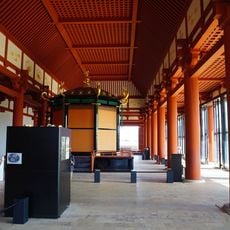
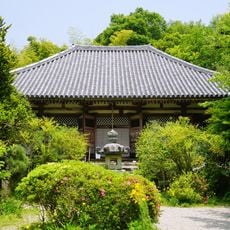
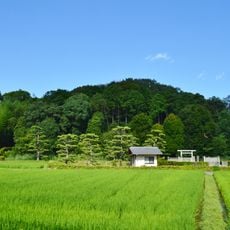
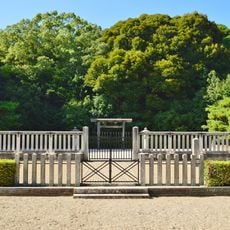
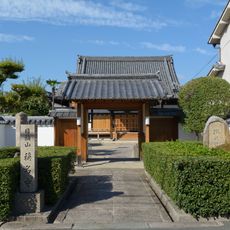
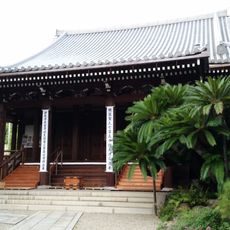
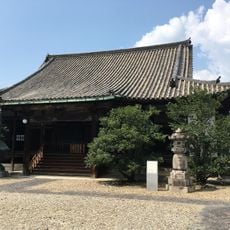
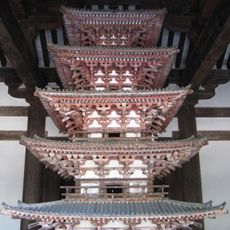
Kairyūō-ji is a Shingon Risshū temple in Nara, also called Sumidera because it stood at the northeast corner of Empress Kōmyō's palace. Excavations found three Nara-period kondō: a central hall, now replaced by the 1666 main hall, and east and west halls facing each other inside a cloister. The west hall survives, rebuilt in the Kamakura period, and holds a 4.01 m five-story miniature pagoda.
Founded in 731, the temple was built by Buddhist monk Genbo on a site of aristocratic heritage. Imperial support from Empress Komyo elevated it as a significant religious center during the Nara period.
The temple name comes from the Kairyūō-kyō sutra, and tradition holds that the monk Genbō recited it to survive a storm on his return from Tang China. Records call the site Sumi-dera, "corner temple", for its position at the northeast corner of Empress Kōmyō's palace. The grounds are stop 19 on the Yamato Hokubu 88 Sacred Sites pilgrimage.
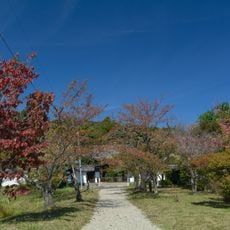
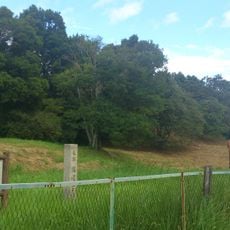
The temple stands east of the Heijō Palace site, next to Hokke-ji, and is reached by Nara Kōtsū bus from JR Nara or Kintetsu Nara Station, getting off at the Hokke-ji stop. The street grid here bends: Higashi-Nibō-Ōji, one of Heijō-kyō's north-south avenues, swerves east to avoid the temple grounds, and the modern road keeps that line. The precinct is small and flat, with the west hall, main hall and sutra repository close together.
The five-story pagoda inside the West Hall is only 4.01 metres tall including its spire, and is designated a National Treasure as a building rather than a craft object, making it Japan's smallest National Treasure pagoda. It was made in the first half of the 8th century and its details resemble those of the East Pagoda of Yakushi-ji.
The community of curious travelers
AroundUs brings together thousands of curated places, local tips, and hidden gems, enriched daily by 94,649 contributors worldwide.