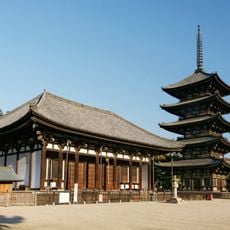
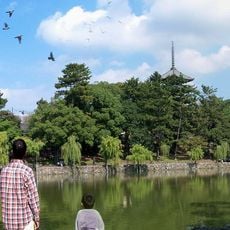
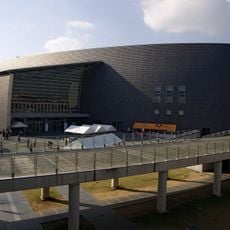
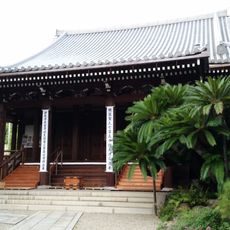
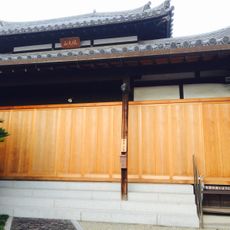
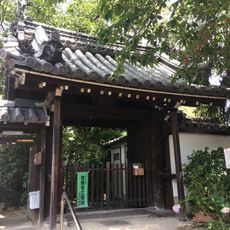
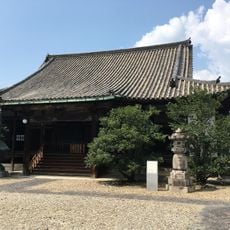
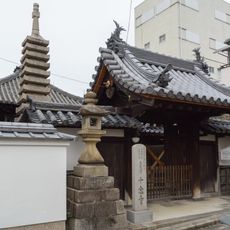
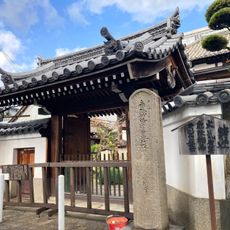
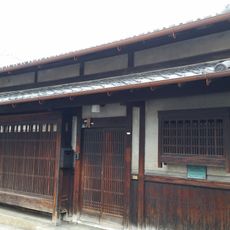
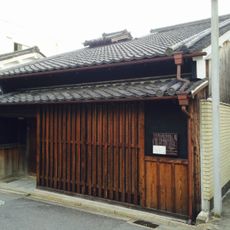
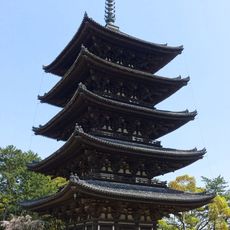
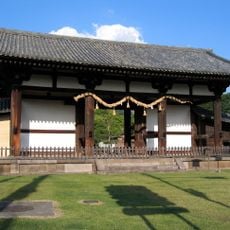
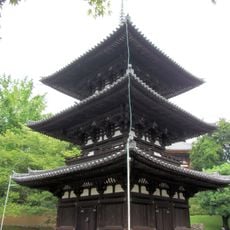
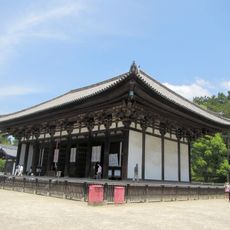
Shomyo-ji, Buddhist temple in Nara, Japan.
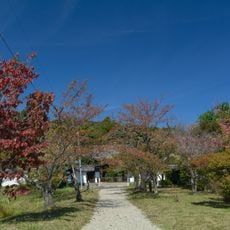
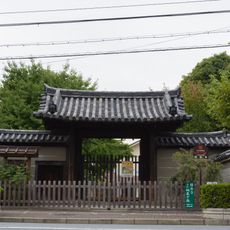
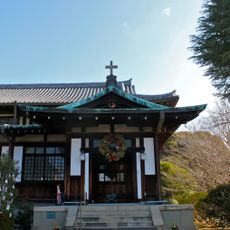
Shomyo-ji is a Jodo-shu Seizan-ha temple in the Shobucho district of Nara, founded in 1265 as a training hall for constant nembutsu by a scholar monk of Kofuku-ji. Its main hall (Hondo) stands on grounds that also hold the Dokuro-an, a three-tatami tea room built between 1804 and 1818. The temple was moved to its present site in 1602.
The temple was founded in 1265 by a scholar monk from Kofuku-ji Temple and initially served as a branch temple and training center. Its establishment occurred during a period of Buddhist reform movements in Japan.
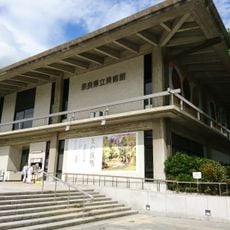
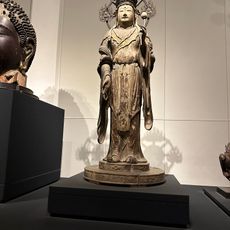
The temple holds four wooden statues designated Important Cultural Properties: a seated Amida Nyorai in the Jocho style of the late Heian period, a seated Shaka Nyorai, a standing Yakushi Nyorai and a standing Jizo Bosatsu carved from a single hinoki block, the last two deposited at the Nara National Museum. About 1,900 small Jizo stone figures, gathered by Matsunaga Hisahide in 1558 from the walls of Tamon Castle, stand on the grounds.
The temple is located in central Nara and can be reached on foot from Kintetsu Nara Station by walking through the city streets. A weekday visit works best when fewer visitors are present at the site.
Dokuro-an, also called Juko-an, is a three-tatami tea room built between 1804 and 1818. Its one-mat host seat is set in a daime-gamae arrangement, and removing the threshold to the one-and-a-half-mat anteroom turns it into a 4.5-mat room. The design once attributed to Murata Juko is now rejected by scholars.
The community of curious travelers
AroundUs brings together thousands of curated places, local tips, and hidden gems, enriched daily by 94,109 contributors worldwide.