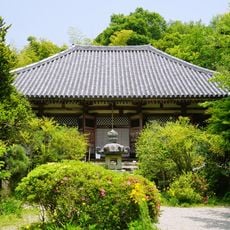
Hokke-ji, Buddhist temple in Nara, Japan
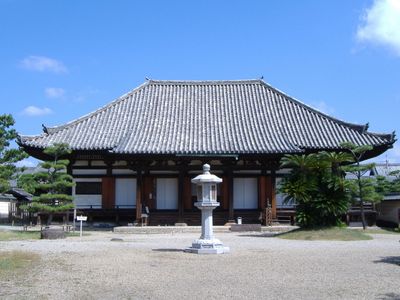
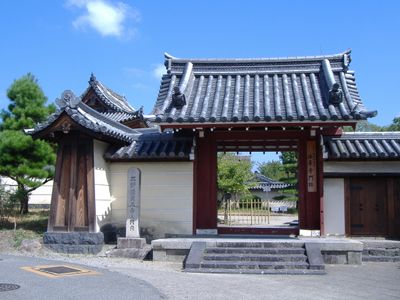
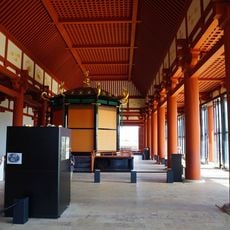
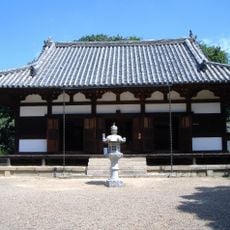
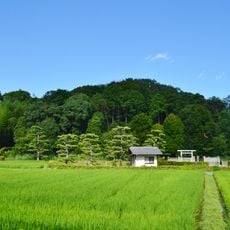
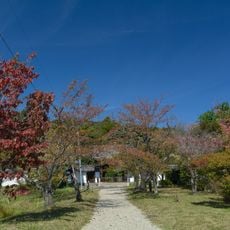
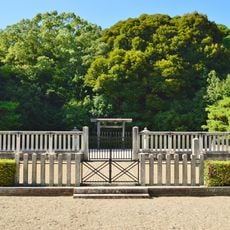
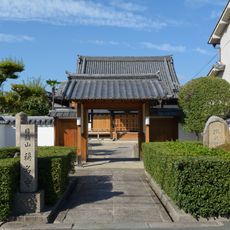
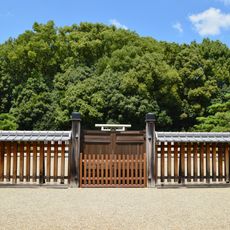
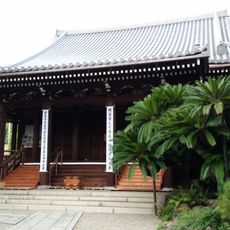
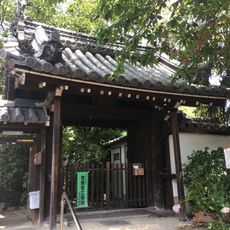
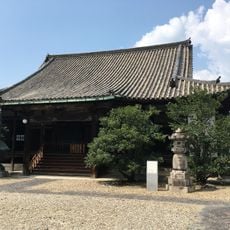
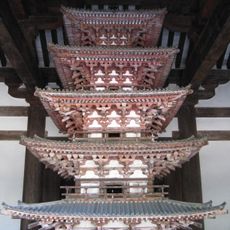
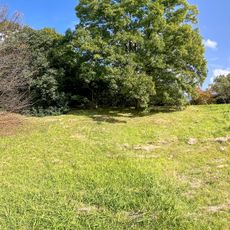
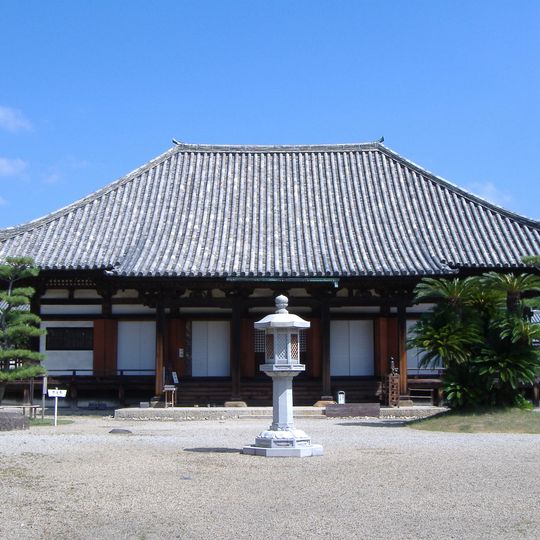
Hokke-ji is a Buddhist temple in Nara, Japan, set within grounds that contain a main hall, a southern gate, and a bell tower built during the early seventeenth century. The buildings stand on a site marked by gravel paths, pruned trees, and open courtyards, creating a layout typical of temple architecture in the region and allowing visitors to move freely between enclosed spaces and outdoor gardens.
Empress Kōmyō founded the temple in 745 to serve as the head convent for nuns across Japan, part of a network of religious houses established during the Nara period. Fires and wars damaged the complex over the centuries, and the current structures date from a rebuilding effort in 1601, which restored the site to active religious use.
This monastery was shaped by its role as a training center for nuns and continues to follow the routines and teachings established centuries ago. The main statue inside the hall, an eleven-headed Kannon carved from wood and covered in gold leaf, is said to reflect the face of an ancient empress, and its expression remains a subject of quiet reflection for visitors who stand before it.
The grounds open during daylight hours, and a visit usually takes around half an hour if you walk slowly through the courtyards and halls. Paths are level and covered with gravel or stone, though you will encounter steps when entering buildings, so wheelchair users may need assistance or find certain areas difficult to reach.
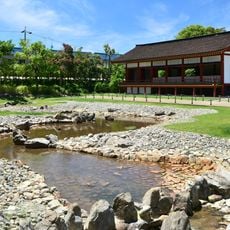
The temple preserves an ancient bath structure linked to the founder, where ritual cleansing ceremonies for large numbers of people are said to have taken place. The bath is no longer in use but remains on the grounds as a historical artifact, offering a window into a time when spiritual care and physical purification were closely intertwined in monastic life.
The community of curious travelers
AroundUs brings together thousands of curated places, local tips, and hidden gems, enriched daily by 91,840 contributors worldwide.