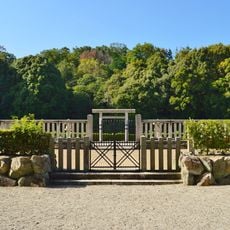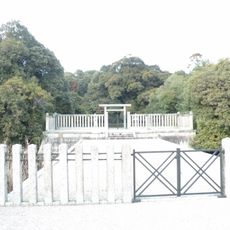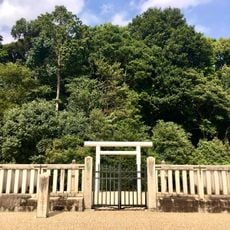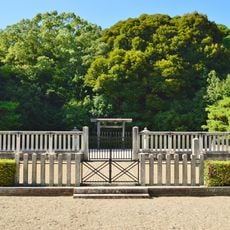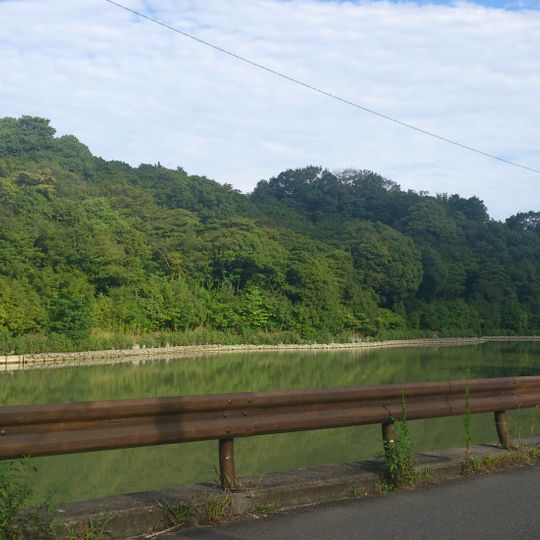
Konabe Kofun, Imperial burial mound in Nara, Japan
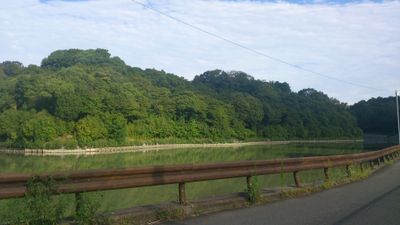
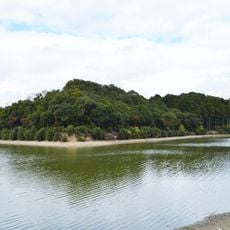
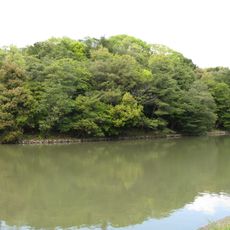
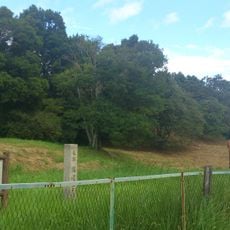
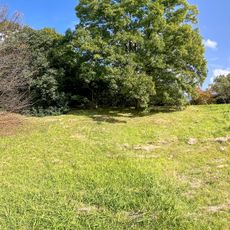
Konabe Kofun is a keyhole-shaped burial mound stretching 204 meters long and composed of multiple tiers. The structure rises about 20 meters above ground and is surrounded by a moat that encircles the entire complex.
This mound was built between the 3rd and 7th centuries and displays design influences from China and Korea. Archaeological research suggests the structure is older than the nearby Uwanabe Kofun.
The clay haniwa figures arranged in rings across different tiers show how ancient Japanese nobility honored their dead. These ceramic pieces give visitors today a window into the burial customs and artistic beliefs of that era.
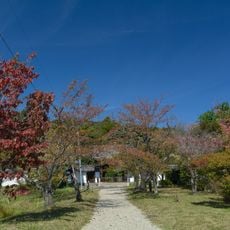
Visitors can view the mound from different points by following the path that runs around the moat. Wear comfortable shoes since the path is relatively long and the surroundings are open and exposed to the elements.
This structure shares nearly identical dimensions and orientation with its neighbor Uwanabe Kofun, yet it was built significantly earlier. This unusual similarity across different periods offers a rare window into how burial architecture evolved over time.
The community of curious travelers
AroundUs brings together thousands of curated places, local tips, and hidden gems, enriched daily by 91,976 contributors worldwide.