Heijō-kyō, Ancient capital site in Nara, Japan
Heijō-kyō was a planned capital in Yamato Province, today's Nara, laid out in a rectangular grid pattern. The main avenue Suzaku-Ōji divided the urban area into eastern and western sections, while the imperial palace compound formed the northern boundary.
Empress Genmei moved the government to this location in 710, creating the first permanent capital modeled after Chinese cities. The city remained the seat of administration until 784, when the court relocated to Nagaoka-kyō.
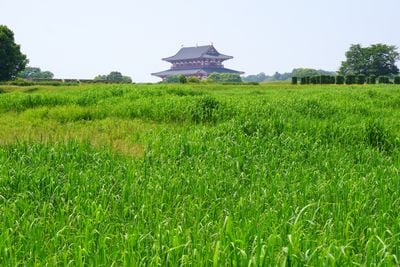
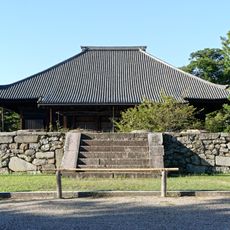
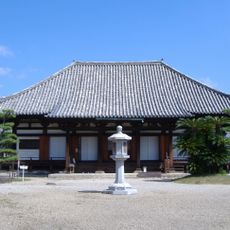
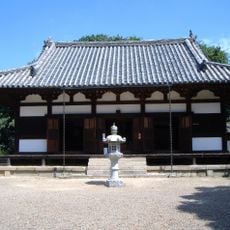
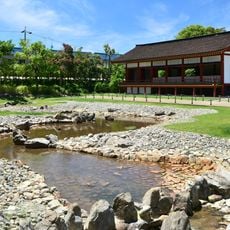
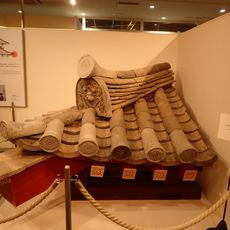
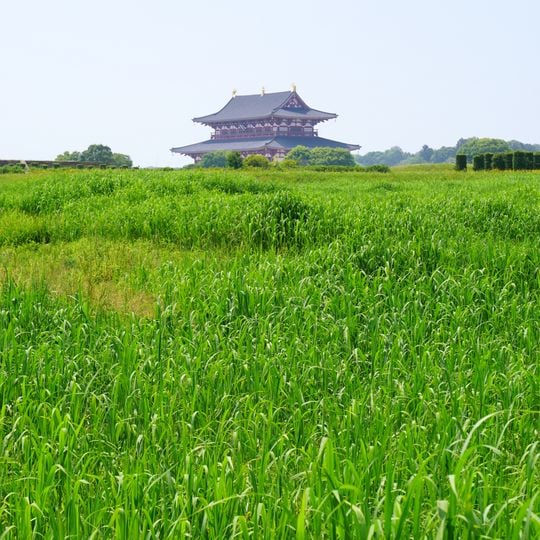
The site's name combines 'Heijō', meaning peace and tranquility, with 'kyō', the word for capital city. Visitors today walk through open fields where foundation stones and reconstructed gates mark the places where government officials once worked and lived.
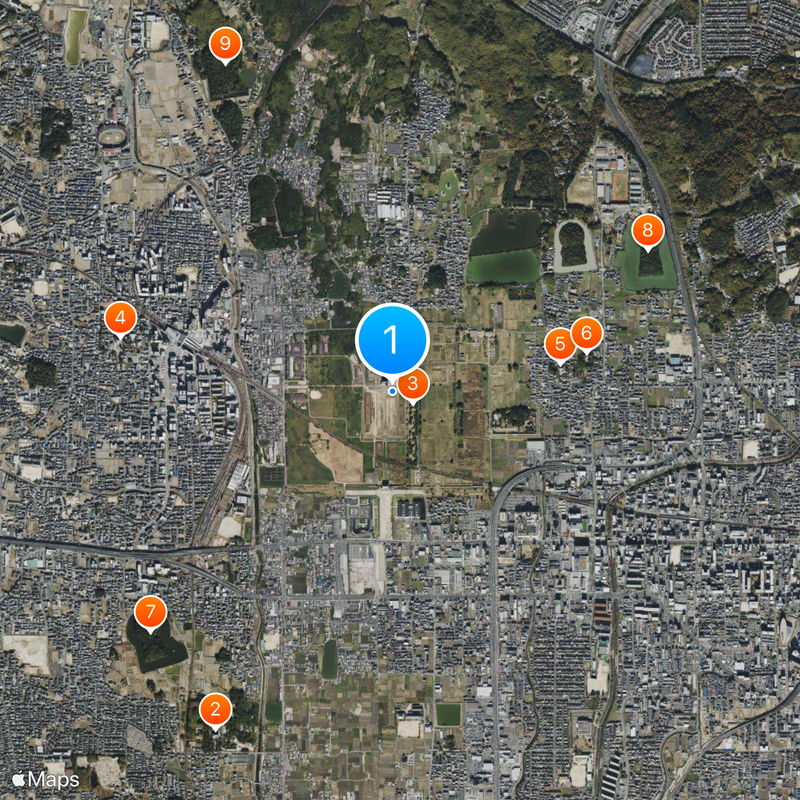
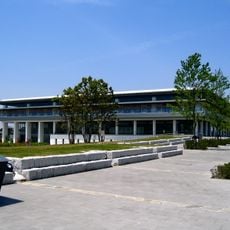
The site spreads across open fields and is best explored on foot or by bicycle, as remains are scattered over several kilometers. Starting at the reconstructed palace area in the northern section provides a clear reference point for orientation.
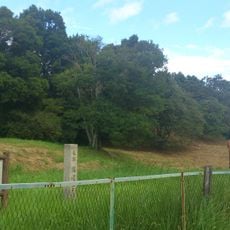
Beneath the rice fields and residential areas of modern Nara, around 30 percent of the original structures remain buried in the ground. Archaeologists regularly uncover new foundations, pottery fragments, and wooden remnants that reveal details about daily life in the 8th century.
The community of curious travelers
AroundUs brings together thousands of curated places, local tips, and hidden gems, enriched daily by 60,000 contributors worldwide.