Rijnsburg, farm village in the Netherlands
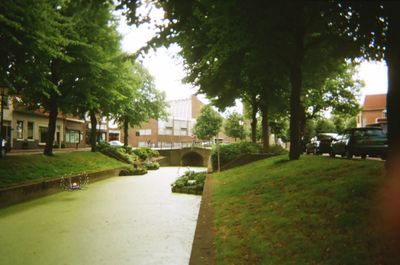
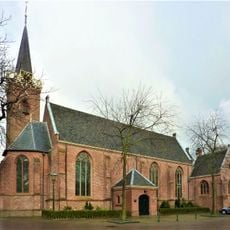
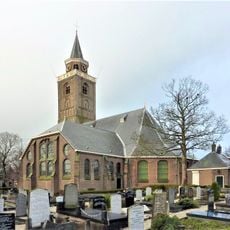
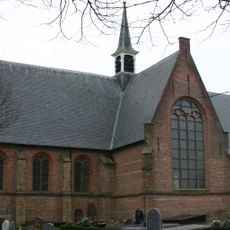
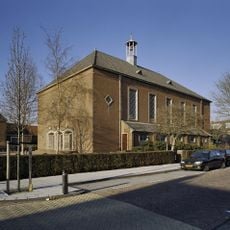
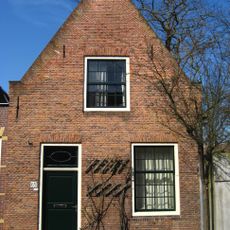
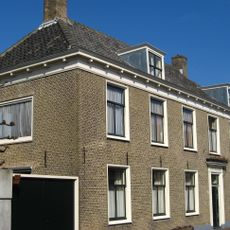
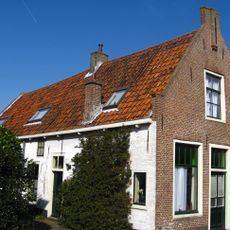
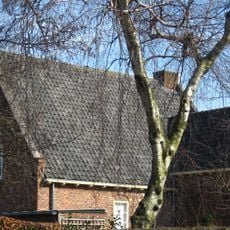
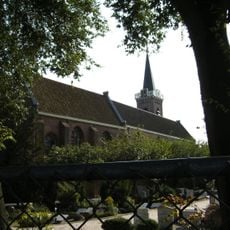
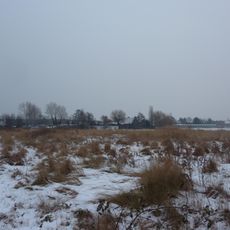
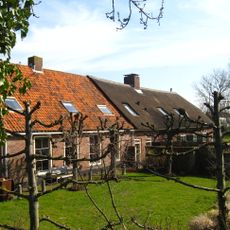
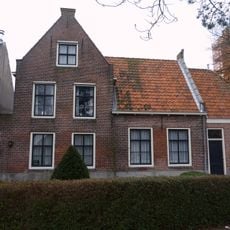
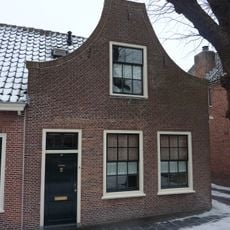
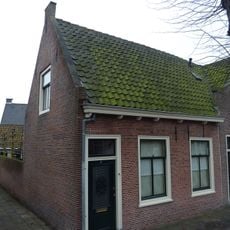
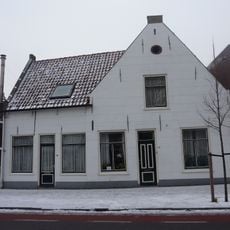
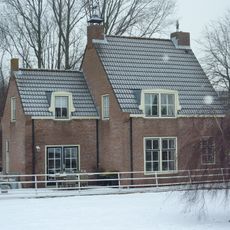
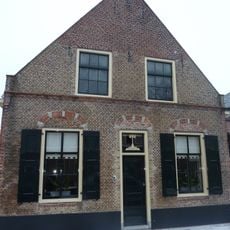
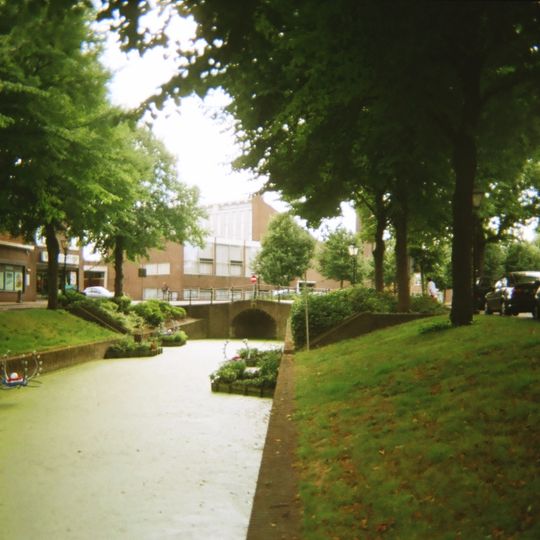
Rijnsburg is a small village within the municipality of Katwijk in the Netherlands, marked by narrow streets and old brick buildings with simple facades. The flat landscape is shaped by the Vliet River, while nearby tulip fields and green pastures where cattle and sheep graze extend around the settlement.
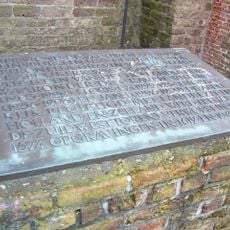
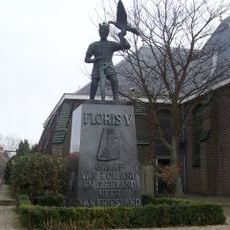
The settlement emerged around 500 AD with Frisian and Saxon inhabitants who later defended themselves against Viking raids with a ring fortress built between 950 and 1050. In the 11th century it became a brief trading and minting center until Emperor Henry III destroyed it in 1047, after which coin production relocated to Leiden.
The name Rijnsburg derives from its position along the Rhine's waterways, reflecting the river's importance in shaping settlement here. Today the village maintains strong community traditions through local festivals and markets that bring people together throughout the year and keep older customs alive.
The village is well suited for walking or cycling on quiet country roads, as it has flat terrain and easily accessible paths throughout the area. Visitors can find information about historical sites and local points of interest at the community center or online to help plan their explorations.
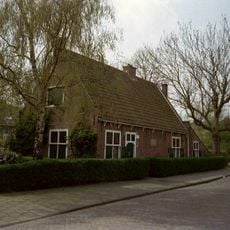
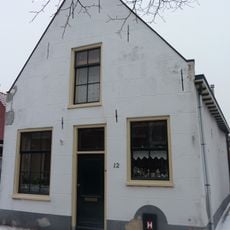
The philosopher Spinoza lived here from 1661 to 1663 and his simple house still stands today and can be visited. Archaeologists also discovered a rare decorated buckle from the 5th century with colorful enamel work, possibly from England, showing that important trade connections reached this far.
The community of curious travelers
AroundUs brings together thousands of curated places, local tips, and hidden gems, enriched daily by 90,777 contributors worldwide.