Kasteel Paddenpoel, Medieval castle ruins in Leiden, Netherlands
Kasteel Paddenpoel was a fortified structure with a wide inner moat, an expansive outer defensive zone, stone walls, two round towers, and a bridge connecting to the main gate. The water channels and surrounding walls formed an integrated defense system designed to protect residents from attack.
First documented in 1390, the structure began as a fortified farm under the County of Holland's authority. Over time it transformed from a defensive residence into a property that would eventually fall into decline, leaving only scattered remains for later discovery.
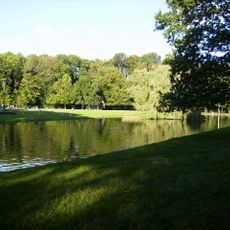
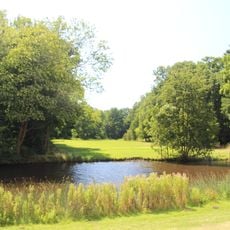
The name comes from Paddenpoel, referring to the frogs that once inhabited the water defenses surrounding the stronghold. Today visitors can see how this past life is connected to the present through the remaining brick foundations and water features that mark where local noble families held authority.
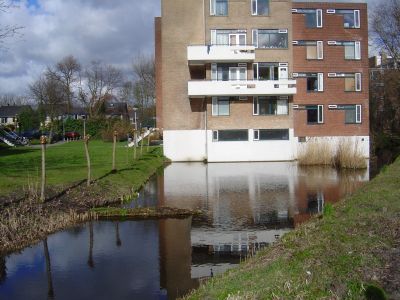
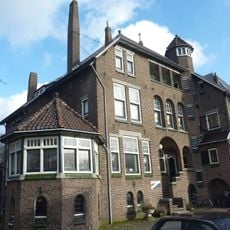
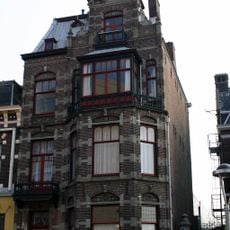
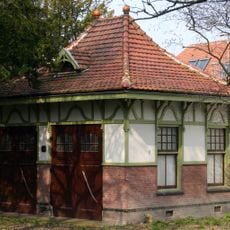
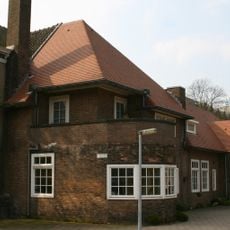
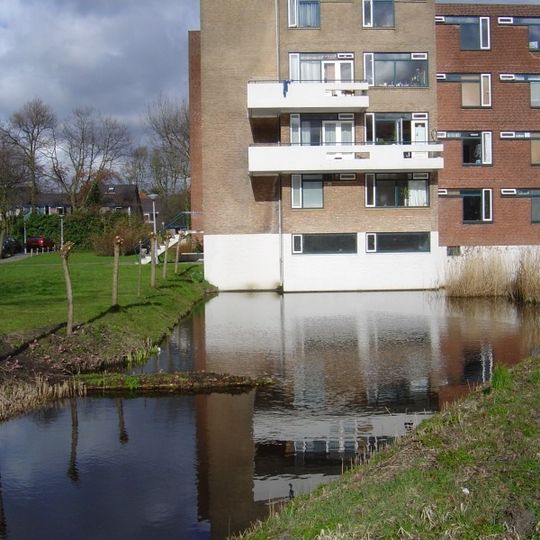
The site is now surrounded by modern apartments and student housing that were built during the area's reconstruction. Walk slowly and look carefully at ground level to spot the scattered brick foundations and water features, as they blend easily with contemporary development.
Archaeological digs in 1966 uncovered substantial medieval wall sections during construction of the Flanorpad housing complex. These findings revealed pieces of a corner tower and gate structure that told more about the original layout and scale of the fortress.
The community of curious travelers
AroundUs brings together thousands of curated places, local tips, and hidden gems, enriched daily by 91,526 contributors worldwide.