Leiden, Administrative district in South Holland, Netherlands
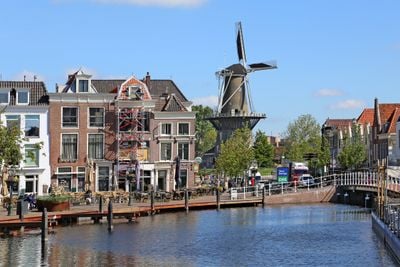
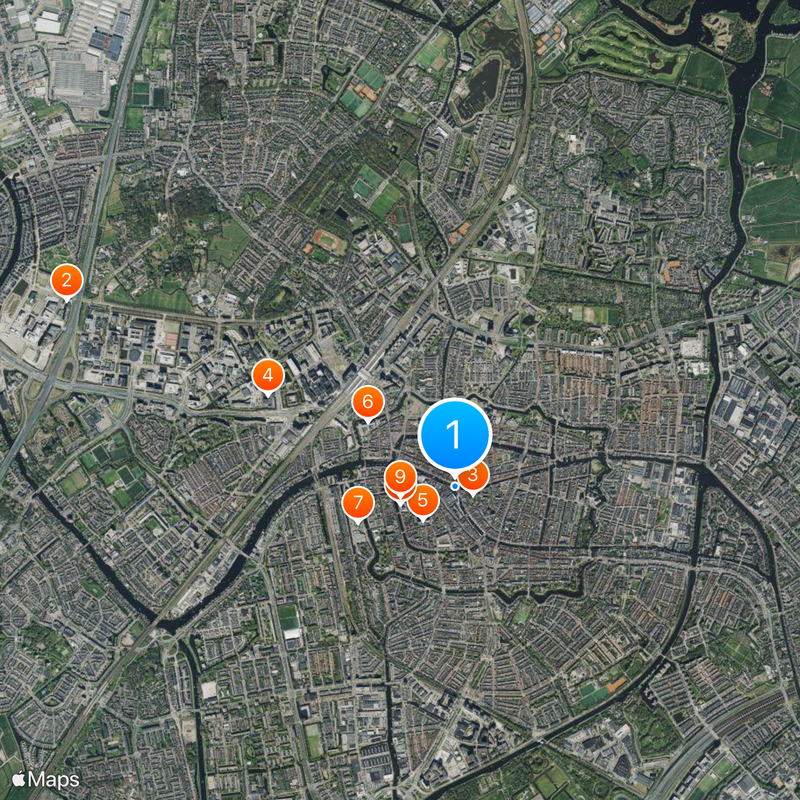
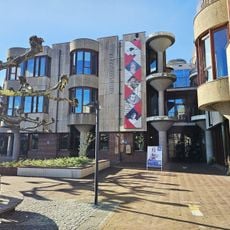
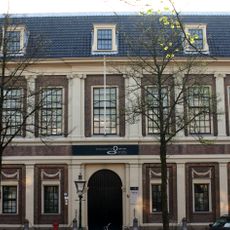
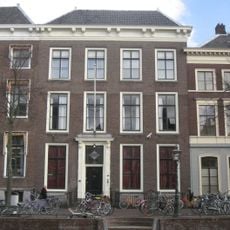
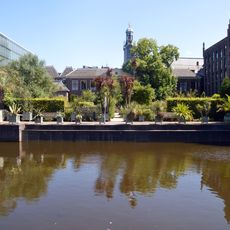
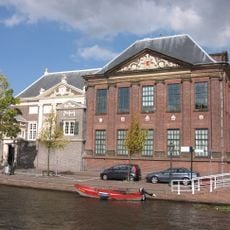
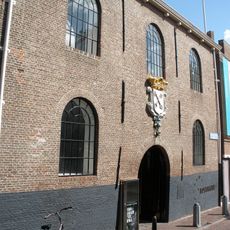
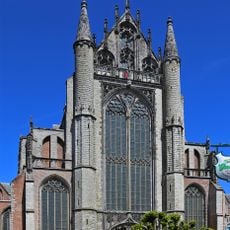
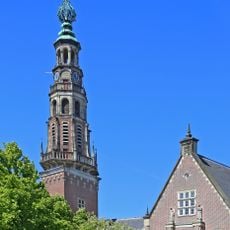
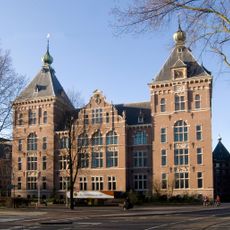
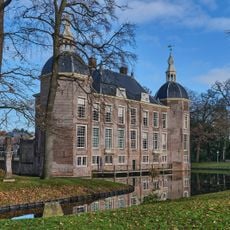
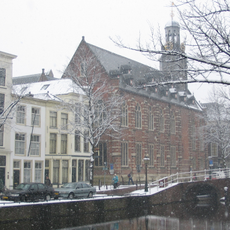
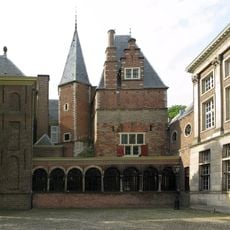
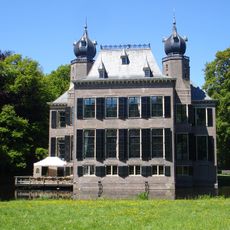
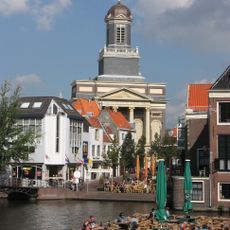
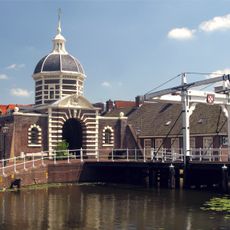
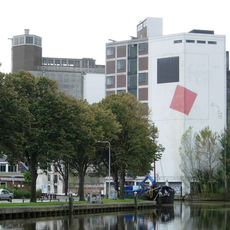
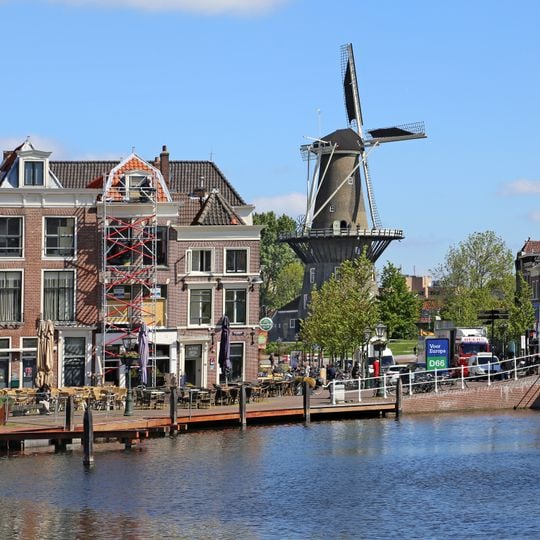
Leiden is a municipality in South Holland with several waterways, brick buildings from different centuries, and small parks distributed across the neighborhoods. The center shows narrow lanes, bridges over canals, and squares lined with cafés, while residential areas extend in all directions and border other towns in the region.
After the siege by Spanish forces in 1574, William of Orange founded the first university in the northern Netherlands here as recognition of the inhabitants' resistance. The institution drew scholars and printers, turning the place into a center of learning and book production in Europe.
The city takes its name from an ancient Celtic river deity and visitors today notice the hofjes, small courtyards with houses arranged around a shared garden that once provided housing for single women and older residents. These quiet clusters sit hidden behind street façades and invite a brief pause when their gates stand open.
The main station hall offers connections in several directions, including Amsterdam, The Hague, and Rotterdam, with frequent trains during rush hours. The center can be walked almost entirely on foot, while bicycles can be rented at many points and follow dedicated paths throughout the municipality.
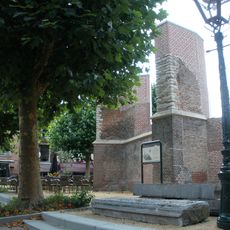
A powder tower exploded in 1807 and destroyed more than 200 houses in the surrounding area, leaving a large gap in the urban fabric. This space was later turned into a public park that now sits between residential streets and serves as a green resting spot.
The community of curious travelers
AroundUs brings together thousands of curated places, local tips, and hidden gems, enriched daily by 92,015 contributors worldwide.