South Holland, Province in western Netherlands
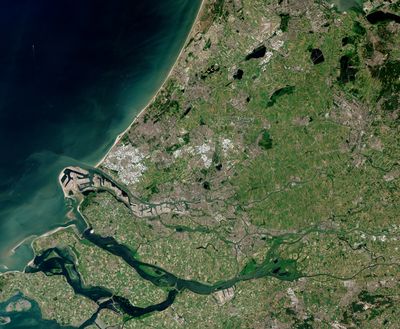
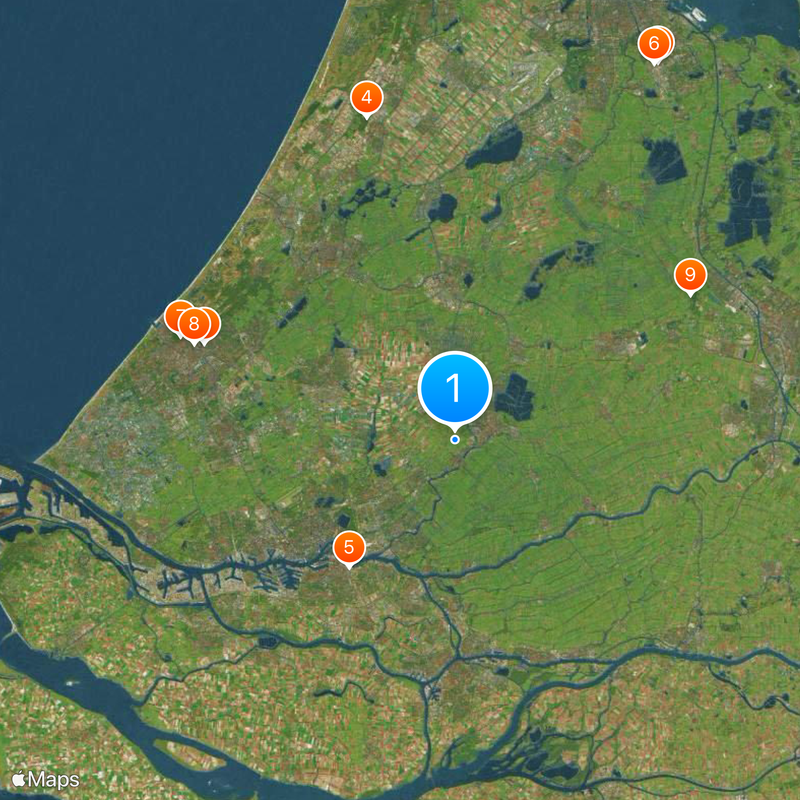
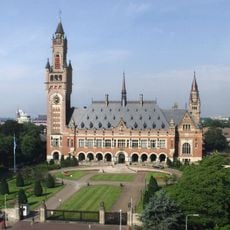
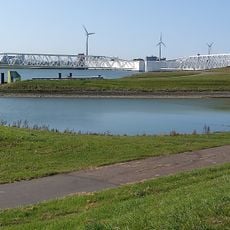
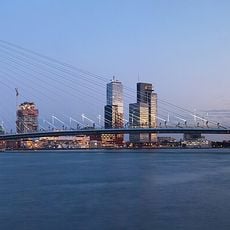
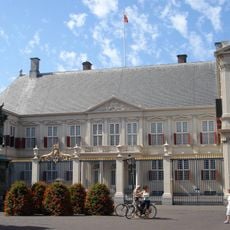
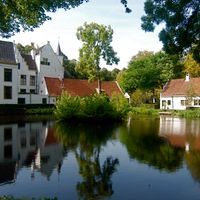
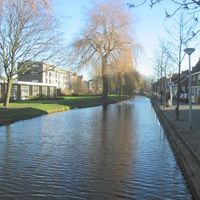
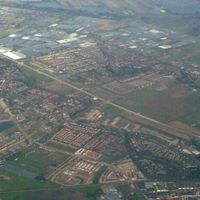
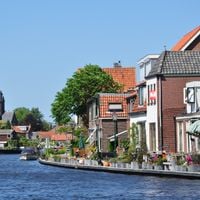
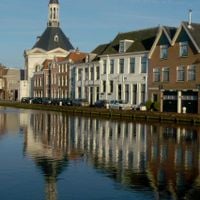
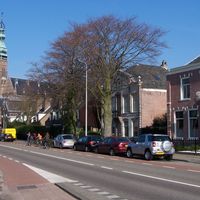
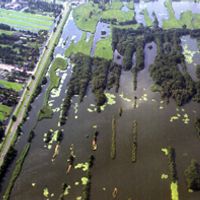
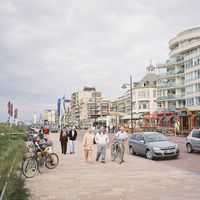
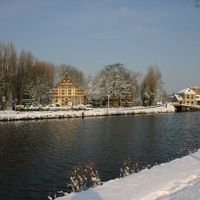
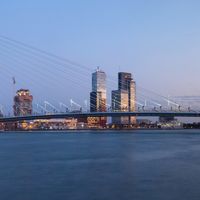
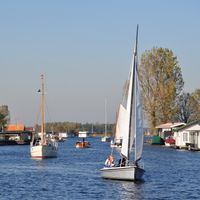
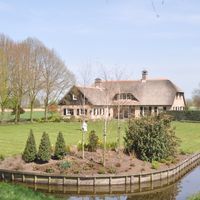
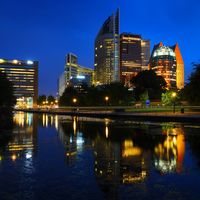
Zuid-Holland is an administrative division in the western part of the country, extending from the North Sea shoreline to the inland polder landscapes. The territory includes major urban centers like Rotterdam and The Hague, along with smaller towns connected by a dense network of canals and roads.
The territory emerged as a separate administrative unit in 1840, when the government divided the older Holland region into two distinct parts for practical governance. Centuries earlier, these lands had already served as centers of trade and seafaring within the Dutch Republic.
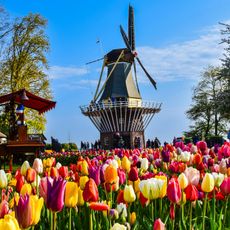
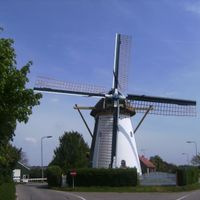
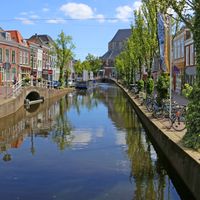
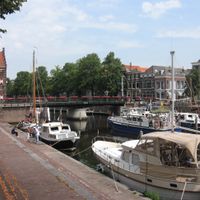
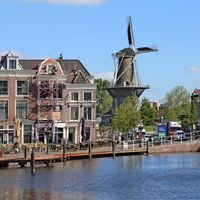
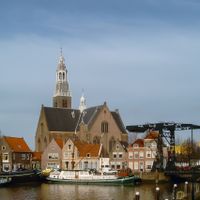
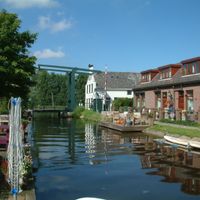
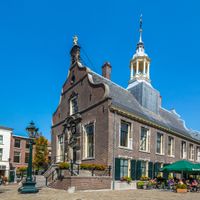
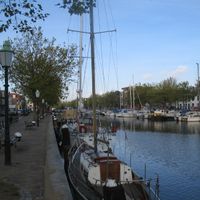
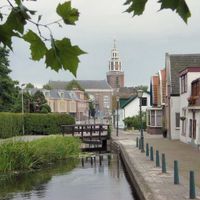
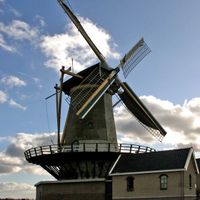
The territory carries the name of the historical Holland region, with towns built around windmills and canals that still shape how residents navigate daily life. Local markets often sell herring eaten raw with onions, a tradition visitors can observe along waterfronts and in town squares.
Visitors move most easily between major cities using trains and trams, while smaller towns are often reached by bus or local ferry services. Cycling paths run along the coast and through the countryside, making bicycles a practical alternative to motorized transport.
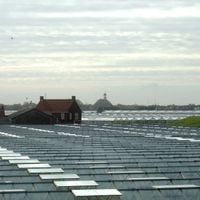
The territory holds more greenhouses than almost any other region in Europe, with kilometers of glass structures producing vegetables and flowers year-round. Visitors can drive along roads through seemingly endless rows of illuminated glass buildings that glow from within at night.
The community of curious travelers
AroundUs brings together thousands of curated places, local tips, and hidden gems, enriched daily by 90,909 contributors worldwide.