Market Hall, Indoor market hall in Rotterdam, Netherlands
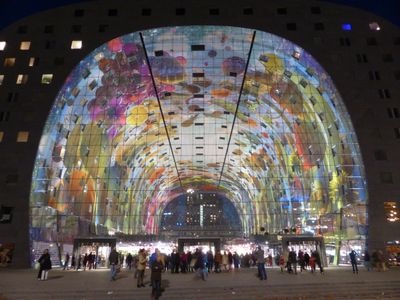
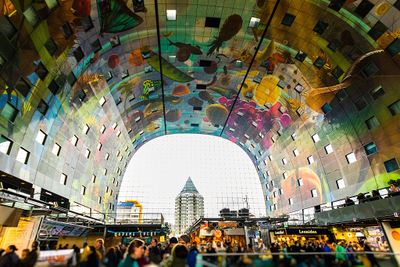
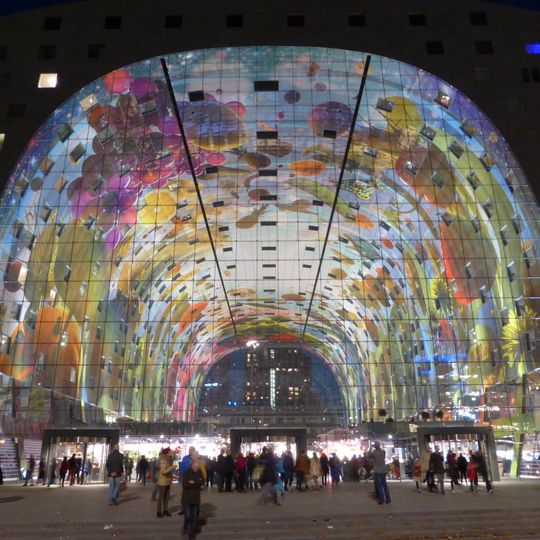
Market Hall is an architectural structure in Rotterdam, Netherlands, shaped like an arch made of concrete and glass. The facade consists of transparent panels that allow natural light into the interior and provide views of the surrounding city.
Construction began in 2009 on land previously used as a parking lot, and the building opened to the public five years later. During excavation, remains of a medieval settlement were discovered and are now displayed inside the building.
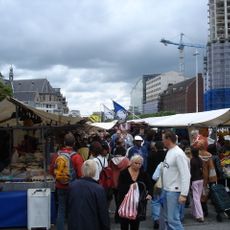
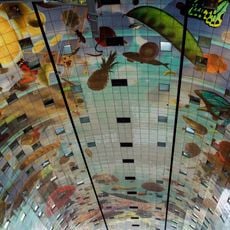
The name refers to its role as a covered trading place where vendors sell fresh produce and prepared food beneath the painted ceiling. Visitors move through the stands and experience a mix of Dutch market traditions with stalls offering international specialties from around the world.
The hall is free to enter, and market stalls open daily during typical city center hours. Visitors find escalators and lifts connecting all levels and providing access to shops and restaurants throughout the building.
The arched structure contains apartments whose residents live directly above the market activity and can look down onto the stalls through their windows. This combination of housing and commerce was a first in the Netherlands when it opened.
Location: Rotterdam
Inception: October 2014
Architects: Winy Maas, Jacob van Rijs, Nathalie de Vries, MVRDV
Official opening: October 1, 2014
Floors above the ground: 16
Elevators: 26
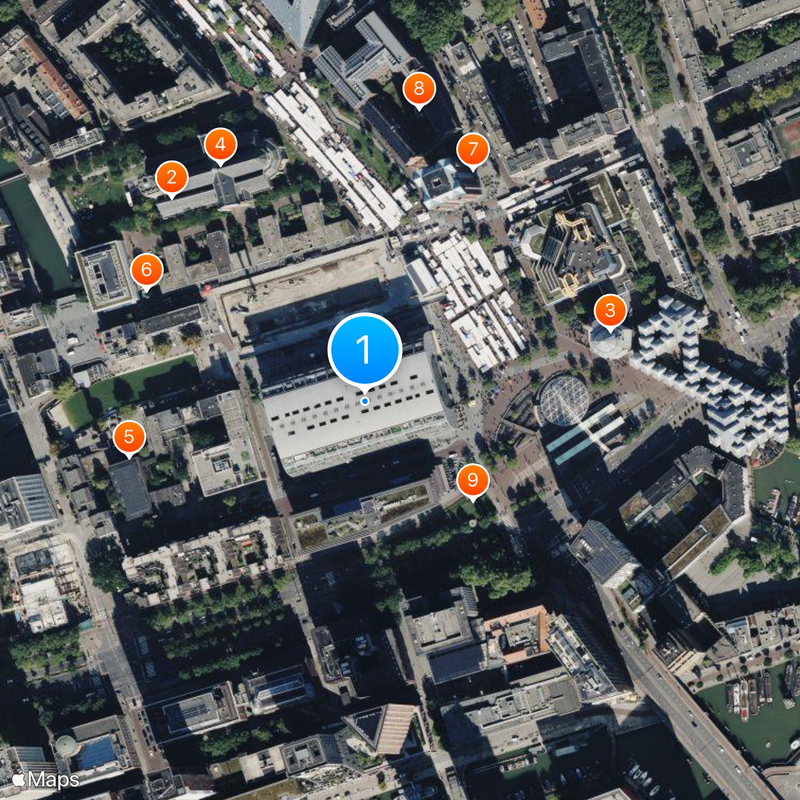
Address: Dominee Jan Scharpstraat, Centrum, Rotterdam
Website: http://markthalrotterdam.nl
GPS coordinates: 51.92011,4.48695
Latest update: December 5, 2025 22:23
Postmodern architecture emerged in the 1970s as a response to the rigid principles of modernism, reintroducing color, ornament, and historical references into contemporary building design. The movement evolved over decades, producing structures that challenge conventional forms and experiment with different materials and surfaces. These buildings demonstrate varied approaches to design, from playful facades to complex geometric constructions, showing how architects employ new technologies while engaging with historical stylistic elements. The collection includes cultural institutions such as the Guggenheim Museum Bilbao and Casa da Música in Porto, public buildings like Seattle Central Library and Almere City Hall, and religious structures such as the Jubilee Church in Rome. Other examples include the SIS Building in London, Dancing House in Prague, and Niterói Contemporary Art Museum in Rio de Janeiro. The Louvre Pyramid in Paris and the Wexner Center for the Arts in Columbus show different interpretations of postmodern principles. The Piazza d'Italia in New Orleans with its colored colonnades and the Portland Building with its decorated facade represent early postmodern works in the United States.
Rotterdam showcases a diverse collection of tourist attractions that reflect the city's transformation into a modern European metropolis. The rebuilt city center features contemporary architectural landmarks such as the Cube Houses, the Erasmus Bridge spanning the Nieuwe Maas river, and the Euromast observation tower rising 185 meters above the urban landscape. The Markthal, a covered market hall opened in 2014, combines commercial activity with residential space under a large horseshoe arch decorated with digital artwork. Museum Park houses several cultural institutions, including the Kunsthal exhibition building and the Boijmans Van Beuningen museum, which displays Dutch and European paintings from medieval times to the present day. The city's attractions extend beyond architecture and museums to include green spaces and specialized venues. Het Park, designed in 1852, provides 19 hectares of landscaped gardens along the riverbank, while Kralingse Plas offers a 100-hectare artificial lake surrounded by forest for outdoor recreation. Rotterdam Zoo, the largest animal park in the Netherlands, presents more than 180 species across themed habitats, including an oceanarium. The Maritime Museum documents the city's development as Europe's largest port through collections of ships, navigation instruments and port equipment. These attractions together present Rotterdam as a destination where historical maritime heritage meets contemporary urban development.
The architectural projects of Dutch architect Winy Maas, MVRDV co-founder, showcase modern design across Europe and Asia. His structures combine functionality with experimental forms: from Rotterdam's Markthal with integrated housing to the public art depot Boijmans. These buildings define cityscapes through innovative solutions for residential, cultural, and office spaces.
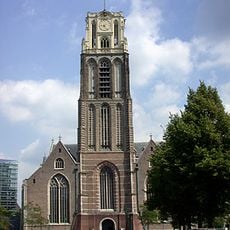
Grote of Sint-Laurenskerk
195 m
Blaaktoren
178 m
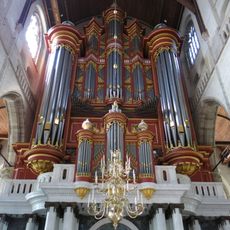
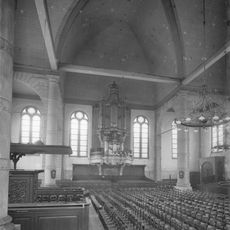
Main organ Laurenskerk Rotterdam
193 m
Sint-Dominicuskerk
168 m
SkyView Rotterdam
170 m
Statendam
178 m
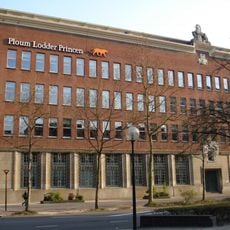
PTT-kantoor
208 m
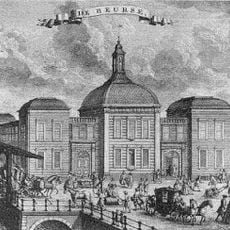
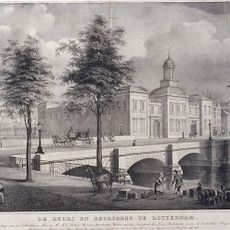
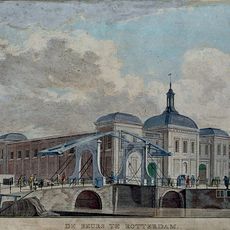
Beurs van Adriaen van der Werff
102 m
Blaak 10
178 m
Twentsche Bank Building
204 m
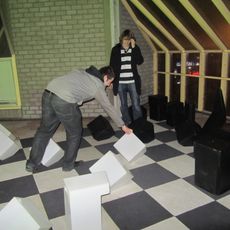
Chessmen Museum
244 m
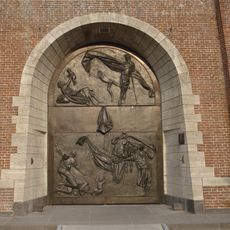
War and Peace
207 m
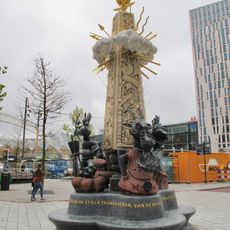
Homage to Marten Toonder
89 m
Oosterkerk
119 m
The River
142 m
Horn of Plenty
30 m
Everyone is dead except us
110 m
Apostel Paulus
178 m
Geboortehuis Erasmus
159 m
Twentsch Ros
193 m
Blaak 8
218 m
Vlasmarktbrug
202 m
Oudemannenhuis Hoogstraat (Rotterdam)
182 m
Tower of Grote of Sint-Laurenskerk
205 m
Untitled
186 m
Beursbrug
157 m
Gapersbrug
157 m
Mandemakersbrug
220 mReviews
Visited this place? Tap the stars to rate it and share your experience / photos with the community! Try now! You can cancel it anytime.
Discover hidden gems everywhere you go!
From secret cafés to breathtaking viewpoints, skip the crowded tourist spots and find places that match your style. Our app makes it easy with voice search, smart filtering, route optimization, and insider tips from travelers worldwide. Download now for the complete mobile experience.
A unique approach to discovering new places❞
— Le Figaro
All the places worth exploring❞
— France Info
A tailor-made excursion in just a few clicks❞
— 20 Minutes