De Biesbosch National Park, Freshwater tidal wetland in South Holland, Netherlands
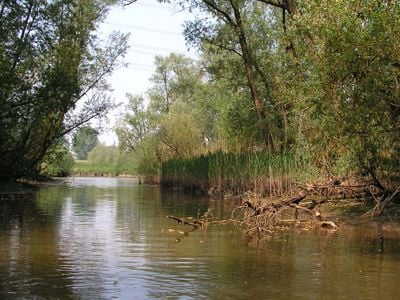
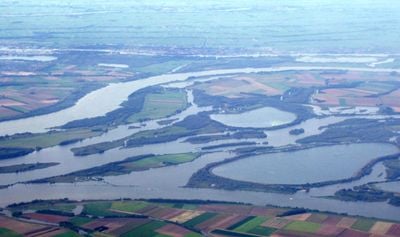
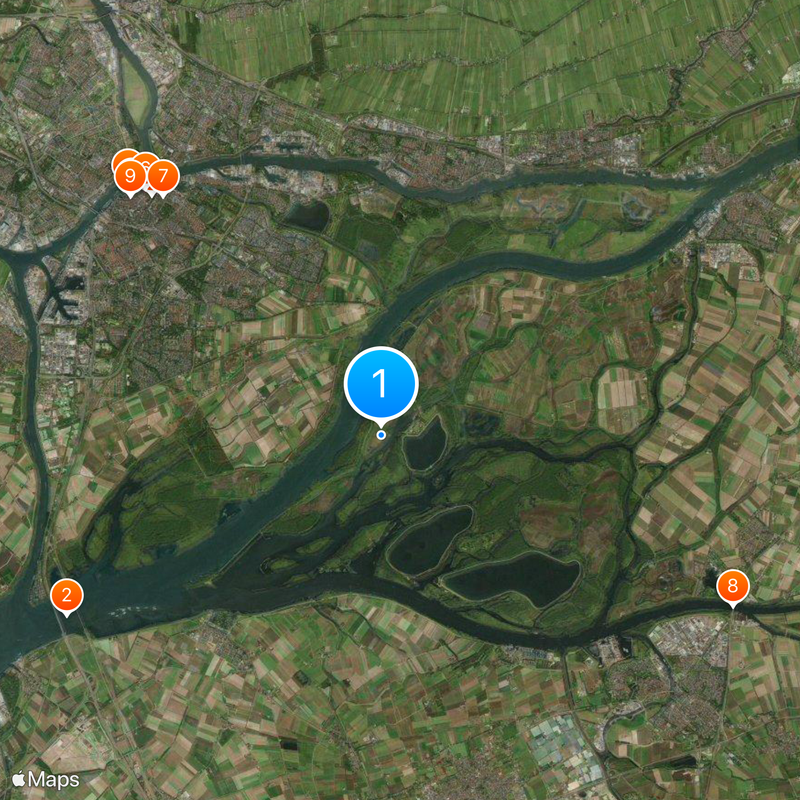
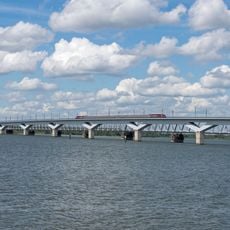
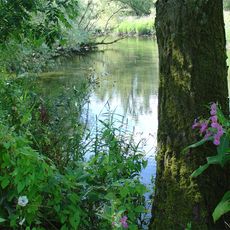
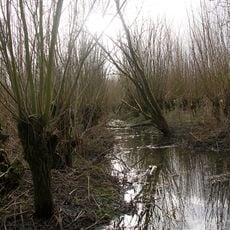
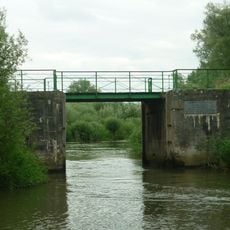
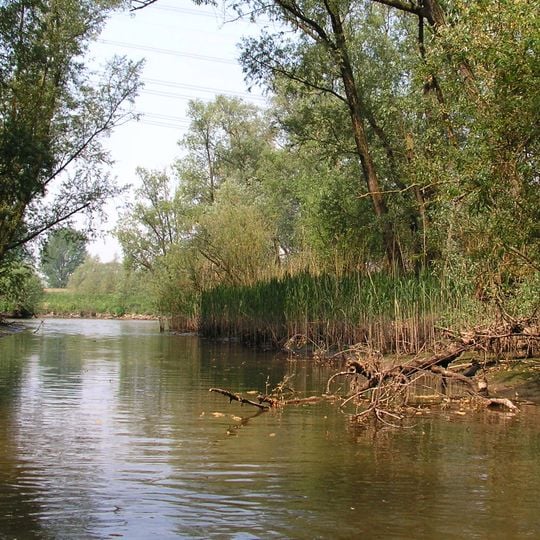
De Biesbosch National Park covers 9,000 hectares of water channels, islands and willow forests between North Brabant and South Holland. The area forms a labyrinth of waterways and land masses shaped by tidal movements.
The flooding of 1421 transformed inhabited farmland into a tidal wetland. During World War II, the site served as shelter for resistance fighters and as an escape route for Allied pilots.
Basket makers used reeds and willows from this area for their traditional craft over many centuries. The woven baskets and objects made from local materials shaped Dutch handwork across many regions.
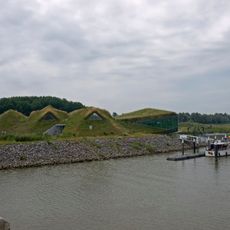
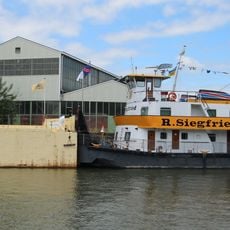
Visitors explore the park through marked hiking trails, boat tours or guided canoe trips departing from several visitor centers. The best time for wildlife watching is early morning or just before dusk.
The area contains Europe's largest freshwater tidal zone, where water levels shift 70 centimeters (28 inches) twice daily. This tidal movement results from the connection to the North Sea through rivers and estuaries.
The community of curious travelers
AroundUs brings together thousands of curated places, local tips, and hidden gems, enriched daily by 92,927 contributors worldwide.