Beyond Amsterdam, the Netherlands have landscapes of dunes, canals, and windmills where the wind and tides are ever present.
The Netherlands show their best features outside the big cities. This collection takes you to the islands in the North Sea like Texel, Terschelling, or Ameland, where wind, dunes, and tides shape daily life. You will also see the 18th-century windmill rows in Kinderdijk, fishing villages like Harlingen, and places listed as world heritage sites such as Schokland, a former island turned land mass.
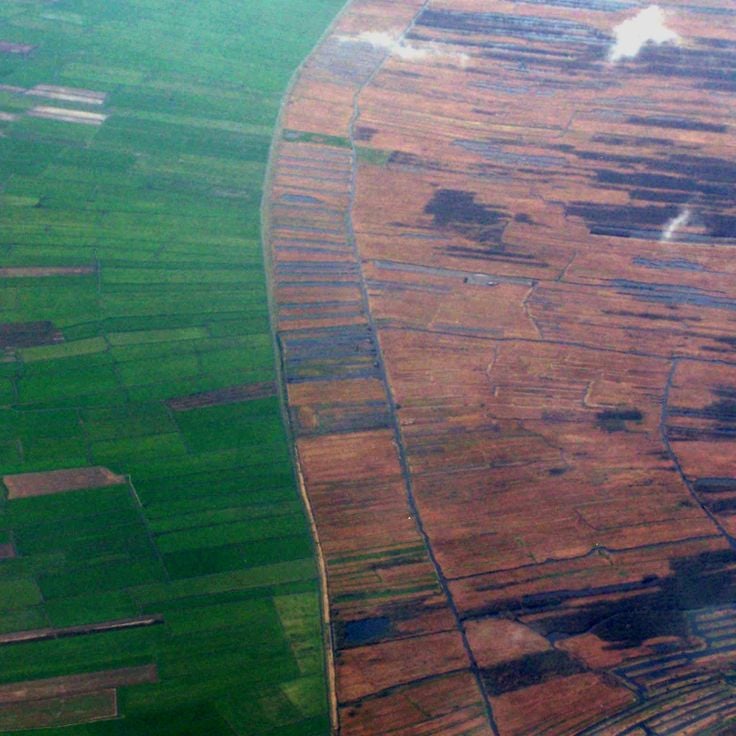
National parks like De Weerribben-Wieden offer areas of peatlands and reeds crossed by canals, while the Bollenstreek area is covered with tulip fields in spring. You will pass through towns like Leeuwarden, where canals run through the historic center, or Zaanse Schans, a village where wooden windmills line a river. These places show how the Dutch shaped their land by living with water, wind, and polders.
Beyond Amsterdam, the Netherlands have landscapes of dunes, canals, and windmills where the wind and tides are ever present.
The Netherlands show their best features outside the big cities. This collection takes you to the islands in the North Sea like Texel, Terschelling, or Ameland, where wind, dunes, and tides shape daily life. You will also see the 18th-century windmill rows in Kinderdijk, fishing villages like Harlingen, and places listed as world heritage sites such as Schokland, a former island turned land mass.
National parks like De Weerribben-Wieden offer areas of peatlands and reeds crossed by canals, while the Bollenstreek area is covered with tulip fields in spring. You will pass through towns like Leeuwarden, where canals run through the historic center, or Zaanse Schans, a village where wooden windmills line a river. These places show how the Dutch shaped their land by living with water, wind, and polders.
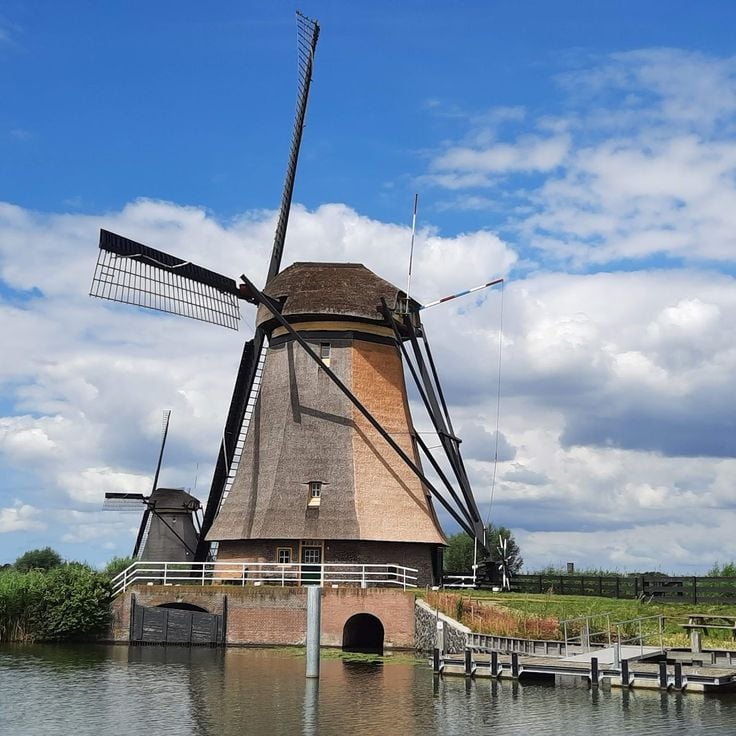
The mills of Kinderdijk show how the Dutch shaped their landscape through waterworks and engineering skill. This 19th-century ensemble rises from the flat polder countryside and tells the story of how people controlled water and made land habitable. The wooden structures stand in a row along the canal and witness a time when wind power drove daily life. Today you walk among them and see how these buildings reflect the Dutch connection to water and wind.
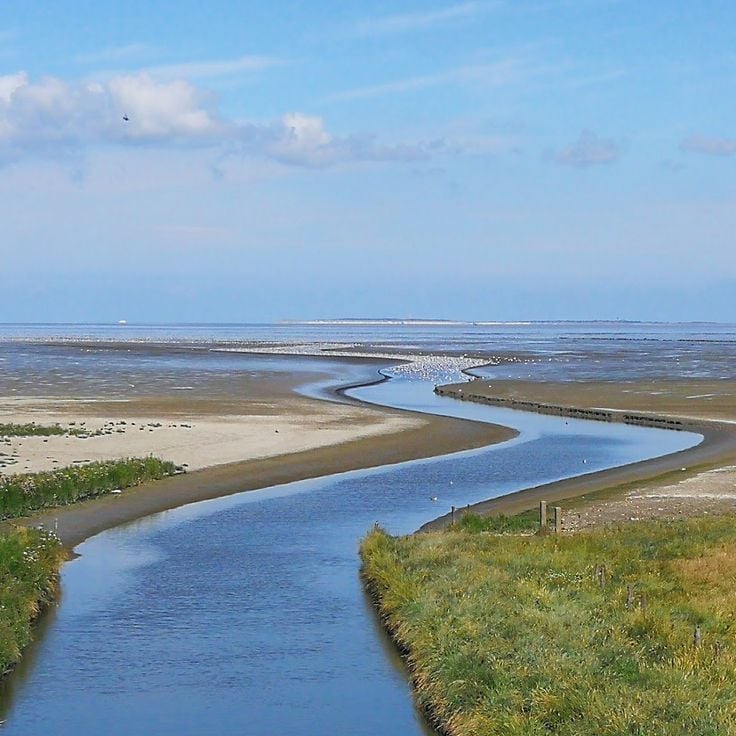
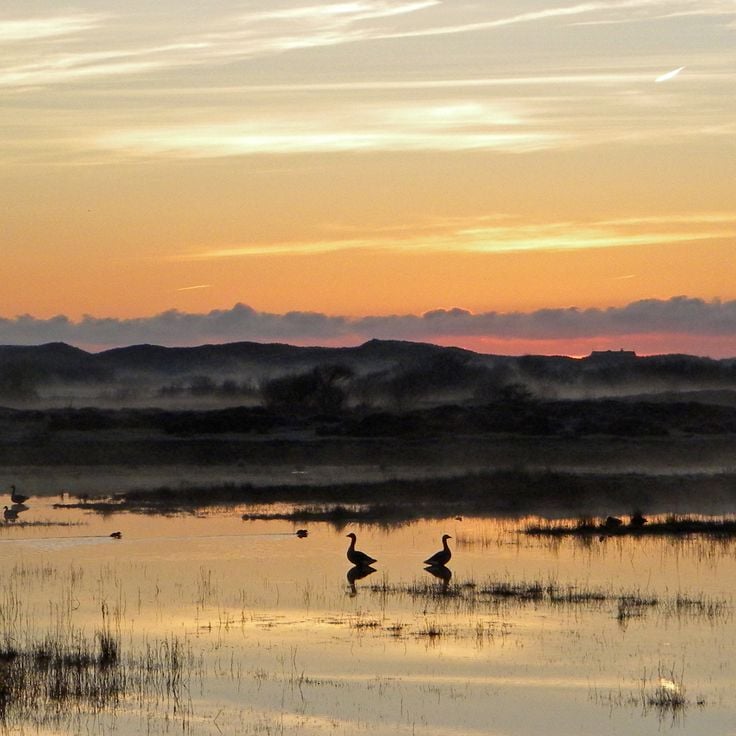
The Wadden Sea is a coastal area along the northern coast, made up of shallow islands, sandbanks, and mudflats. This sea area is home to millions of birds, seals, and other animals. The Wadden Sea changes with the tides: at low tide, you see mud and sand; at high tide, the water fills the space again. The flow of the tides influences everyday life here. People have lived and worked with these tides for hundreds of years.
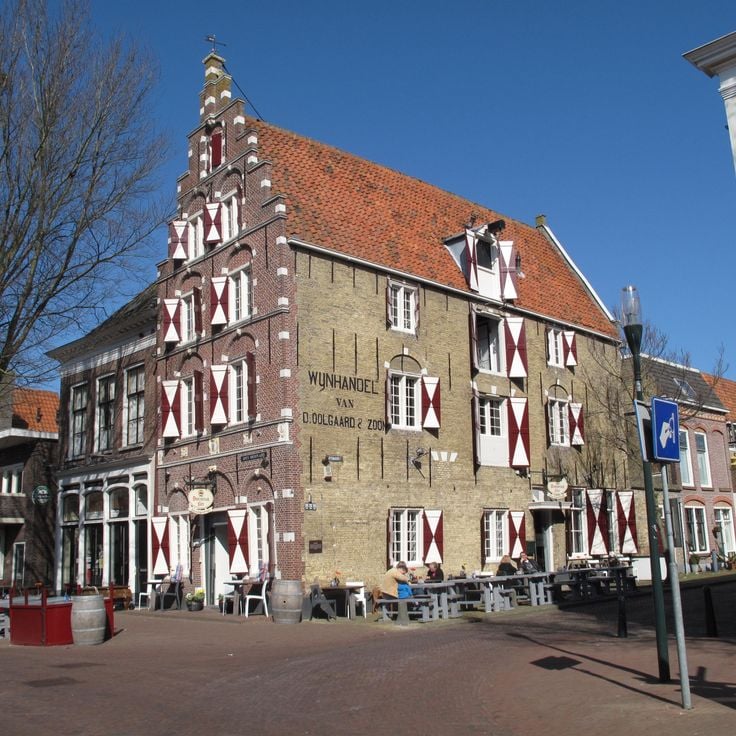
Harlingen is a historic Frisian port where old buildings line the waterfront and boats fill the canals. The city shows how people have built their lives around the water for centuries. Maritime museums tell the story of seafaring traditions, and streets lead down to the water at every turn. Daily life here centers on the harbor and the people who work along the canals.
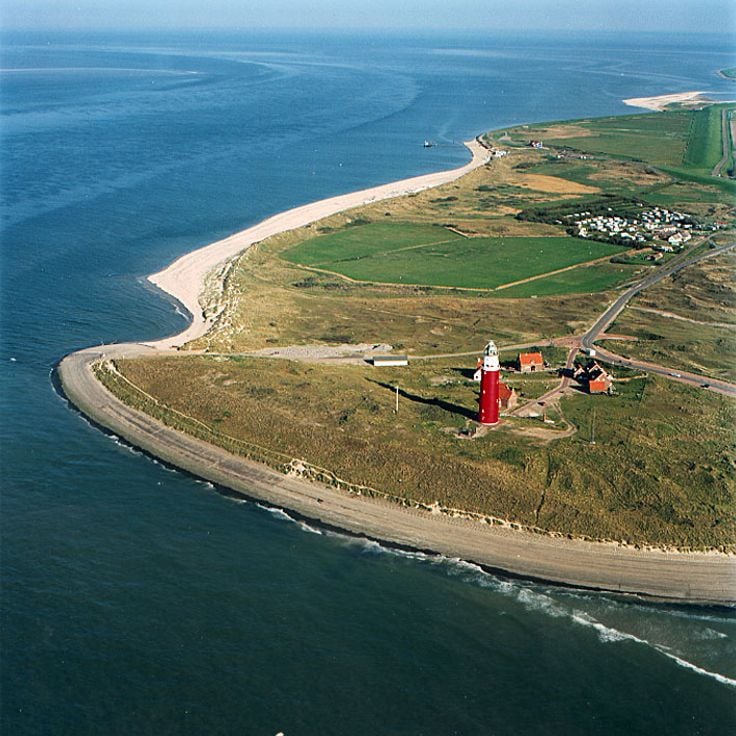
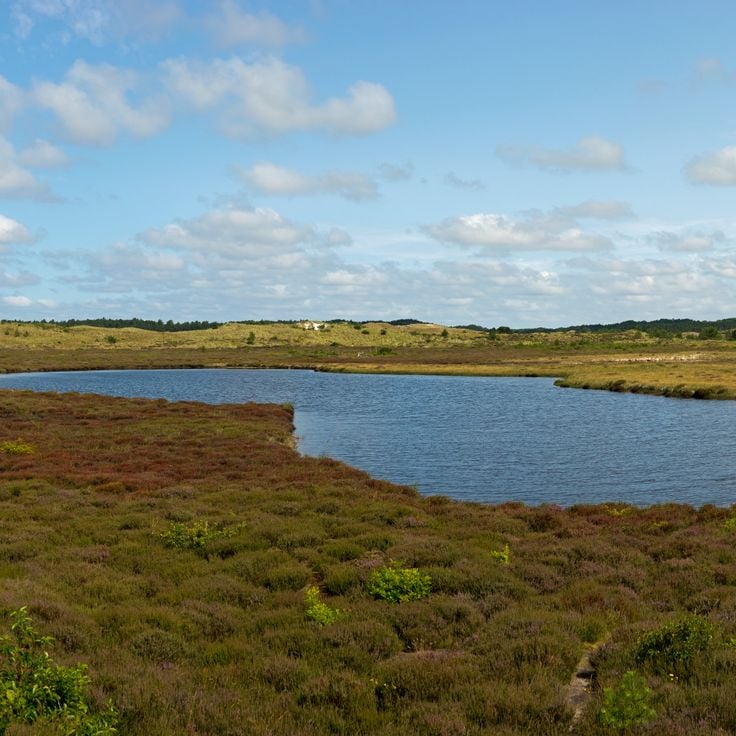
Texel is an island in the North Sea that you can reach by ferry. It has dunes, beaches and coastal villages. You can hike and cycle here. The island is part of the Wadden Islands and known for its nature reserves where you can watch birds and other wildlife.
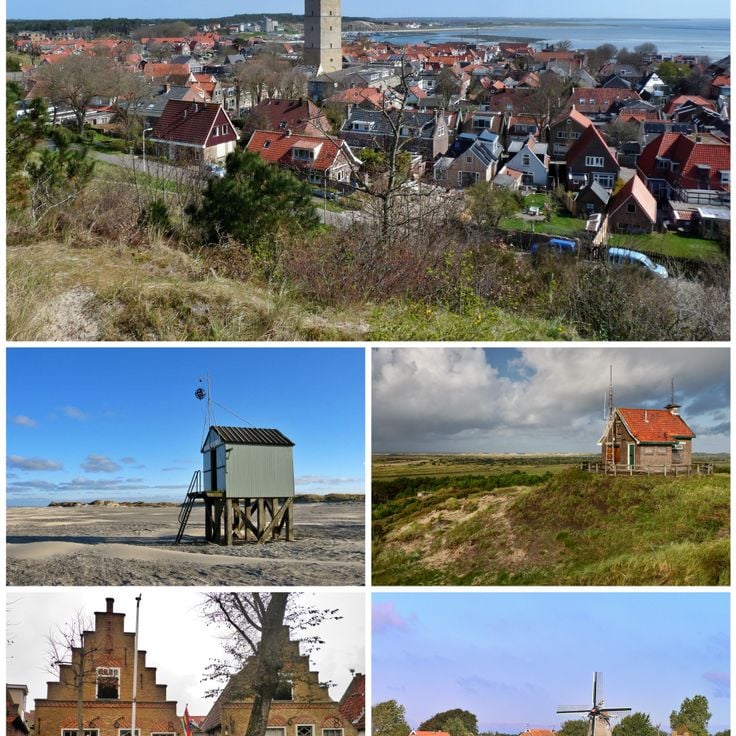
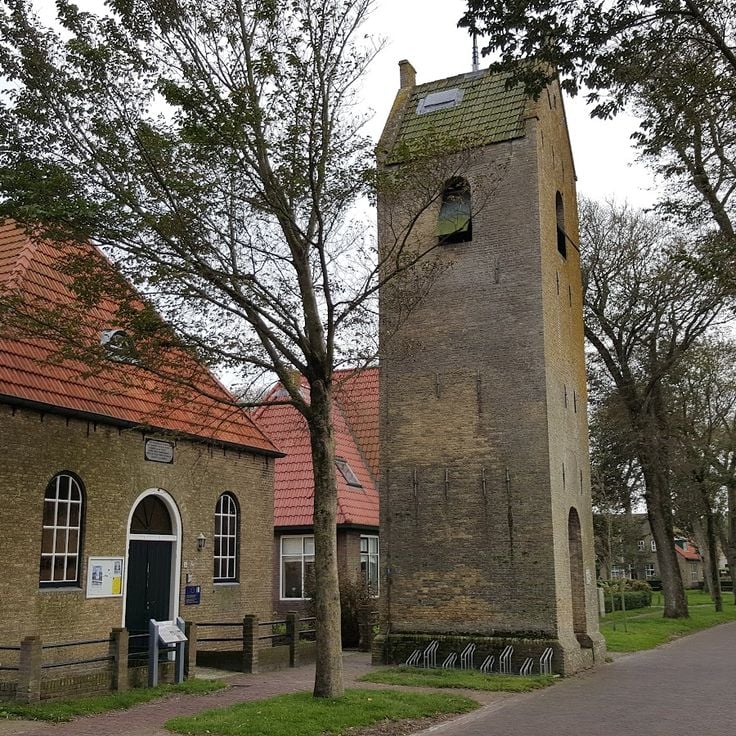
Terschelling is a Frisian island off the coast where nature and beaches shape daily life. Here, wind, tides, and dunes set the pace of the seasons. The island is part of the Wadden Islands and shows how the Dutch have learned to live with water and wind. Visitors find long beaches, dunes, and small communities where fishing traditions continue.
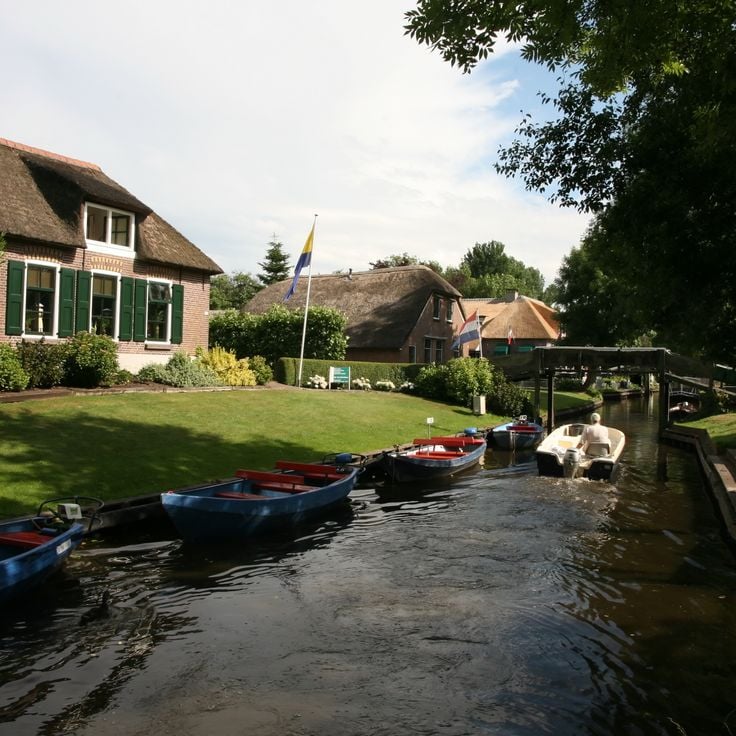
Giethoorn is a village with no roads, threaded by canals and narrow pathways on foot. Traditional houses face the water, and small bridges connect the different parts of the settlement. Daily life unfolds on the water and along footpaths. Boats replace cars, and quiet shapes the everyday rhythm. This village demonstrates how the Dutch have learned to live alongside water and made it central to their existence.
Ameland is an island in the North Sea with dunes, small coastal villages, and flat cycling routes. This island shows how the Dutch have learned to live with water and wind. The tides and waves shape daily life here. The island is part of the Wadden Islands, where you travel along paths between salt marshes and beaches.
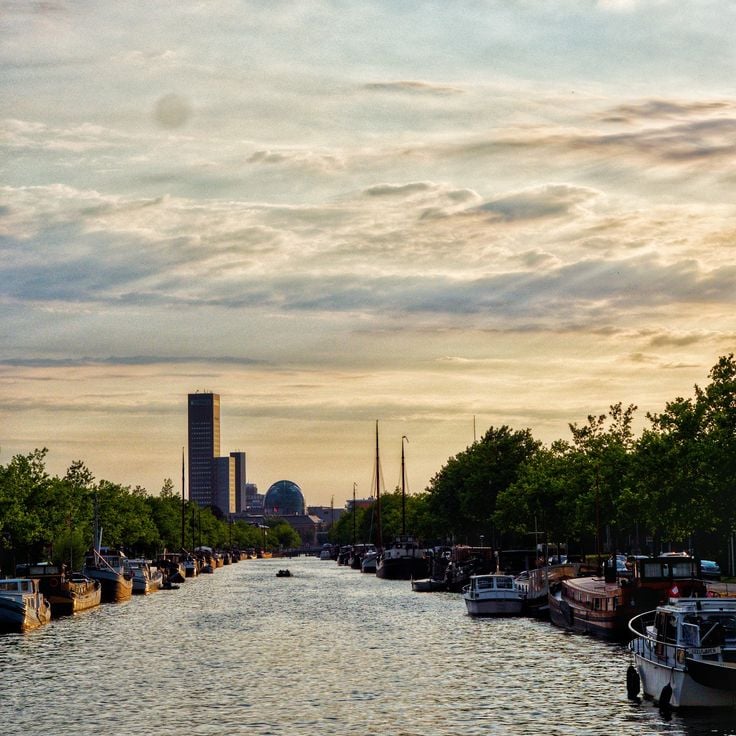
Leeuwarden is the capital of Friesland and demonstrates how the Dutch live with water. The city has a historic center crossed by canals, museums, and an active cultural scene. You will see traditional Frisian architecture and experience how water shapes daily life here.
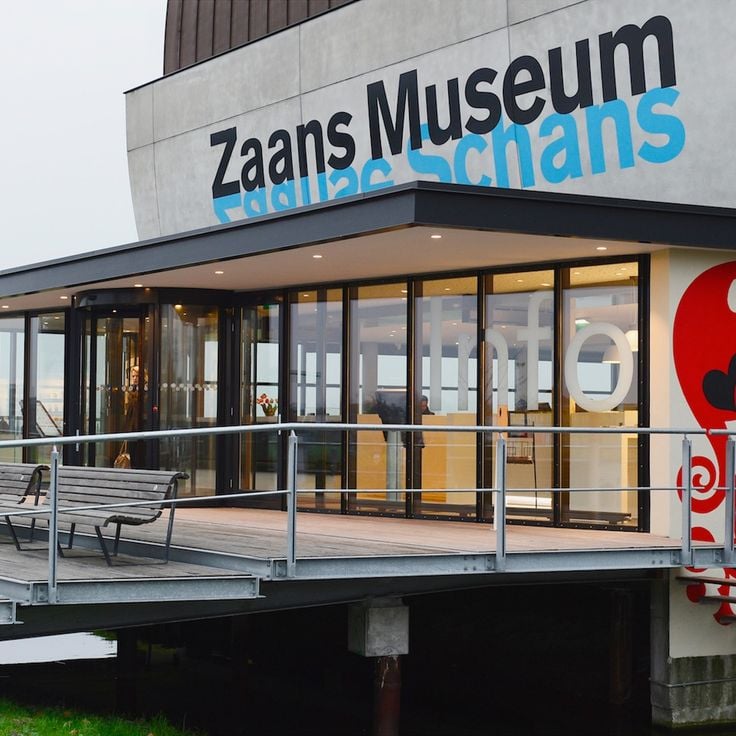
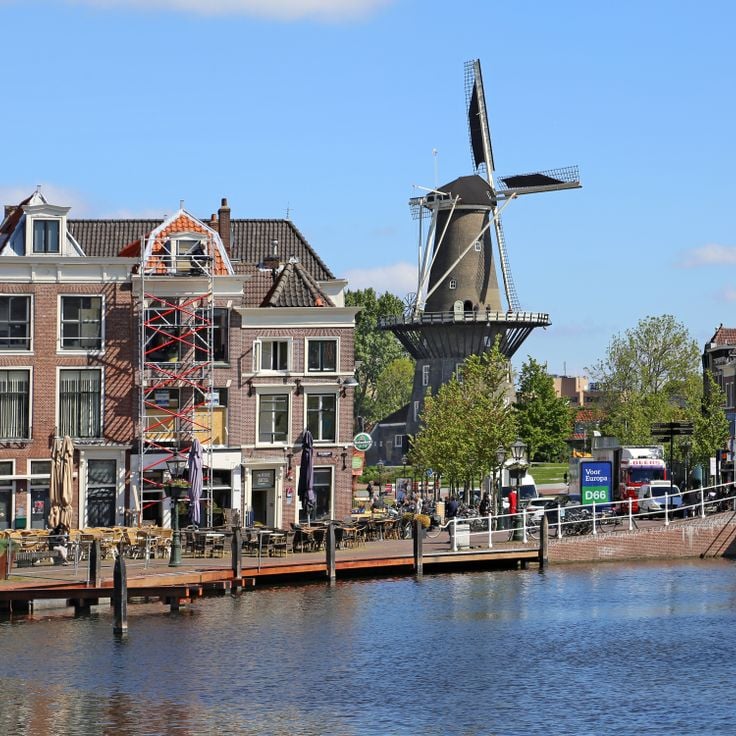
Zaanse Schans is an open-air museum in Zaandam where wooden mills, old houses, and traditional crafts tell the story of life along the Zaan river. The site shows how people here have worked with water and wind for centuries. Visitors can watch craftspeople demonstrate traditional techniques, explore period rooms in the houses, and understand how daily life operated long ago. The mills are still functioning and form the heart of the museum's character.
Schokland was once an island in the Zuiderzee before drainage projects transformed it into solid ground. This site in Flevoland is now a UNESCO World Heritage location that reveals how the Dutch have controlled water for centuries. The landscape here tells the story of dikes, polders, and human determination. Visitors can explore archaeological remains that show what life was like when this was an island, and understand how engineering shaped the land beneath their feet.
Utrecht is a lively city shaped by its canals and medieval past. The Dom Tower, a towering bell structure from the Middle Ages, dominates the skyline and serves as the city's landmark. The old city center retains its medieval layout with narrow streets and historic buildings. Cultural life thrives here, with museums, theaters, and galleries scattered throughout. The canals are more than scenic features - they are woven into daily life, where locals stroll along the banks and gather on the waterfront when weather permits.
The National Park De Weerribben-Wieden in Overijssel reveals a landscape shaped by water. Vast wetlands and reed beds are crisscrossed by canals perfect for kayaking. Between the peat areas lie patches of woodland that provide habitat for birds and other wildlife. The park invites visitors to explore nature from the water while watching for rare species. This is a place where you see how the Dutch landscape has been molded by its relationship with water and marshes.
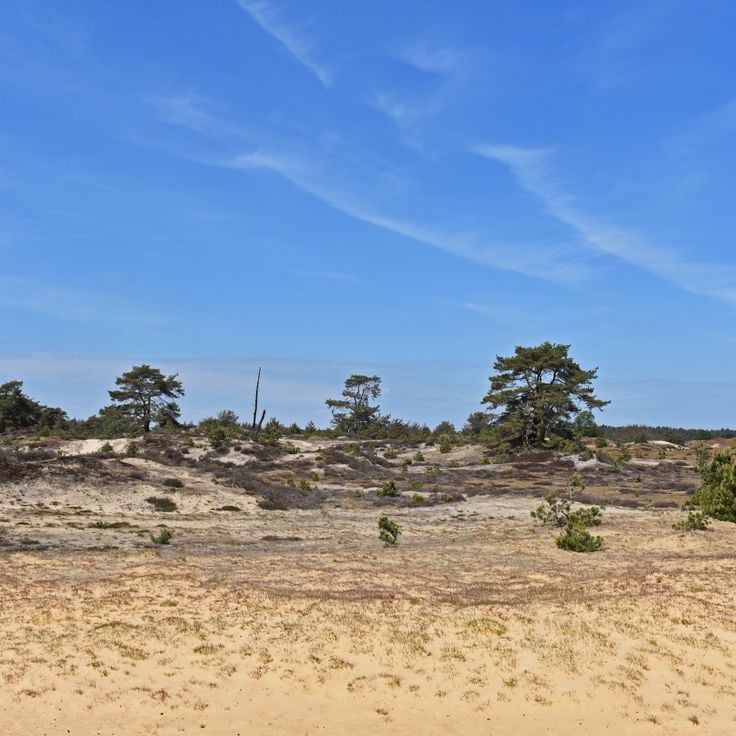
The Schoorl Dunes form a natural area of rolling sand dunes crossed by walking paths. Located along the coast of Noord-Holland, these dunes offer views across the sea and the shoreline. The beach lies nearby and is easily reached from the dune trails. This landscape shows how the Dutch landscape has been shaped by the interaction between sea, wind and land.
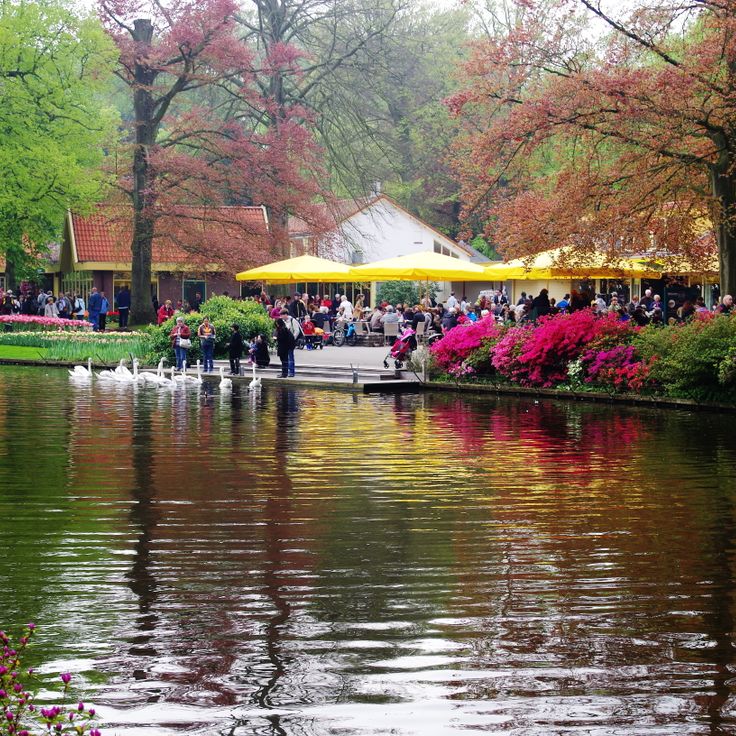
Keukenhof is a seasonal botanical garden in Lisse that displays millions of flowering tulips each spring. It showcases Dutch flower cultivation and its connection to the Bollenstreek region's landscape, where flower fields shape the countryside year-round.
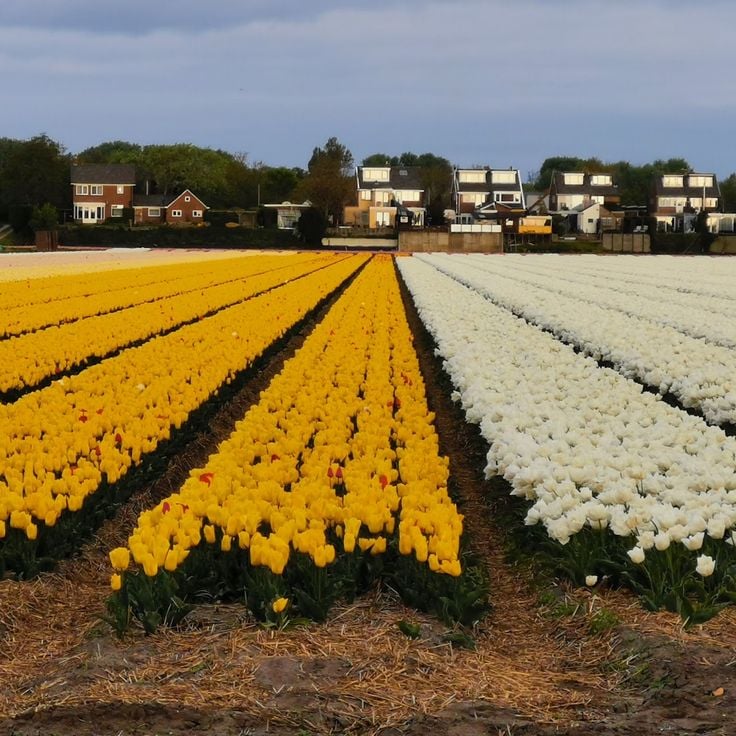
Bollenstreek is a region where flower bulbs such as tulips, daffodils, and hyacinths are grown. In spring, the fields turn into a display of colors. You can cycle through the plantations and see the flowering landscapes up close. The region shows how the Dutch have developed their land to cultivate these plants.
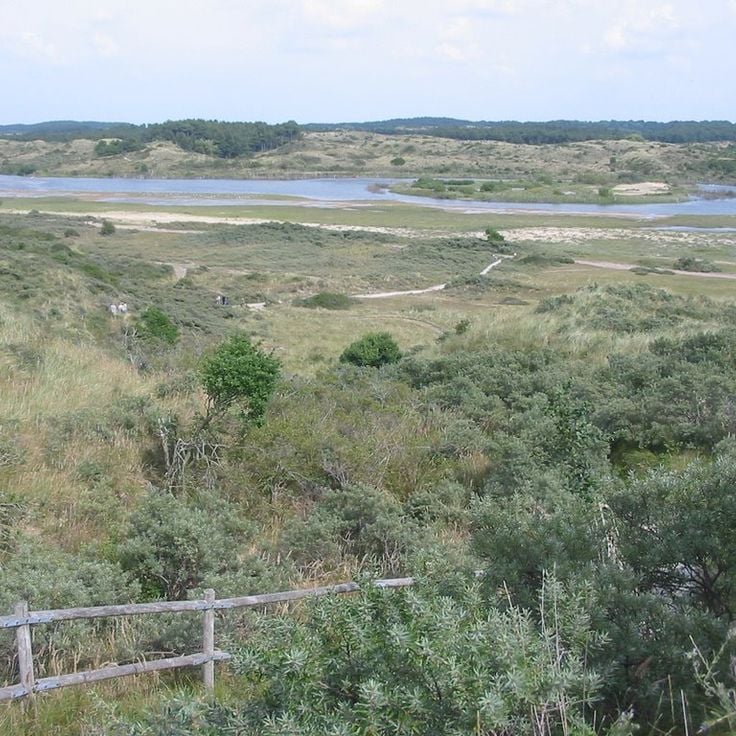
This national park south of Haarlem shows the raw coastal landscape of the Netherlands with sand dunes, wide beaches, and protected habitats. The nature reserve stretches along the North Sea and offers visitors walks through dune landscapes and views of rare plants and birds. Trails wind over sand hills, past coastal villages, and along beach sections where wind and sea shape the land.
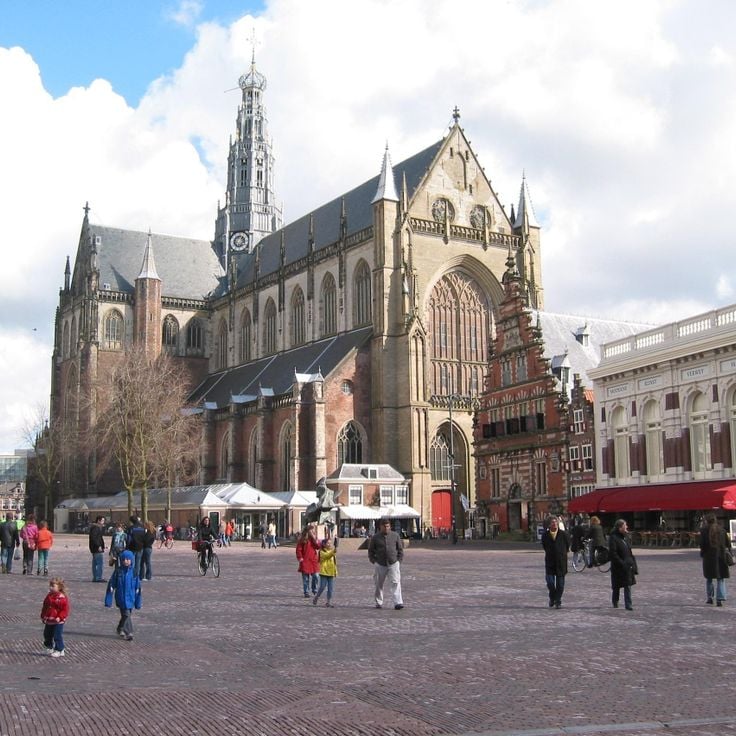
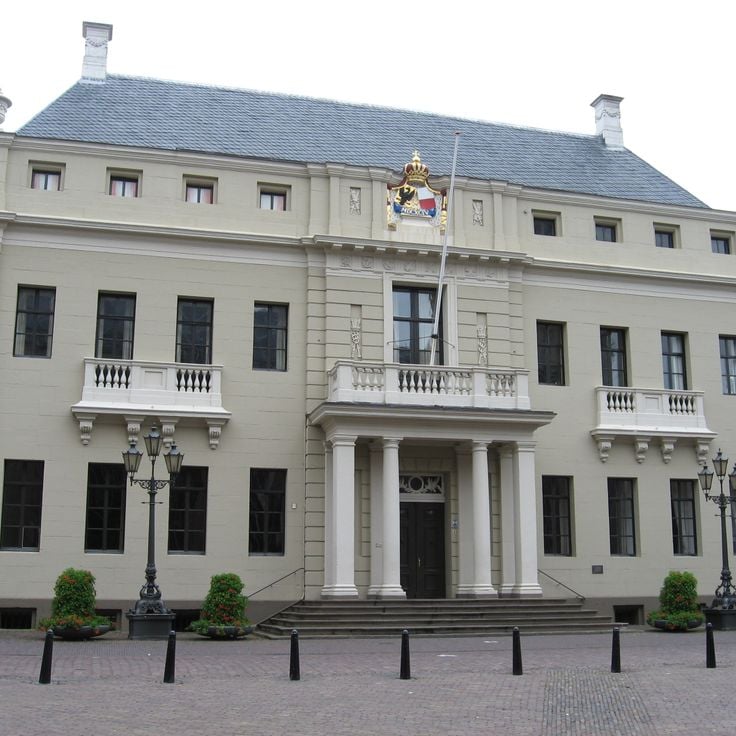
Haarlem is an old city in Noord-Holland where canals, historic squares, and local life come together. Sint-Bavo Church stands as a landmark, and museums offer insight into art and history. The city shows how Dutch people built their settlements around water, with bridges and riverbanks that invite you to walk and explore. Haarlem keeps the feeling of a living, authentic Dutch city where locals and visitors share the streets and squares.
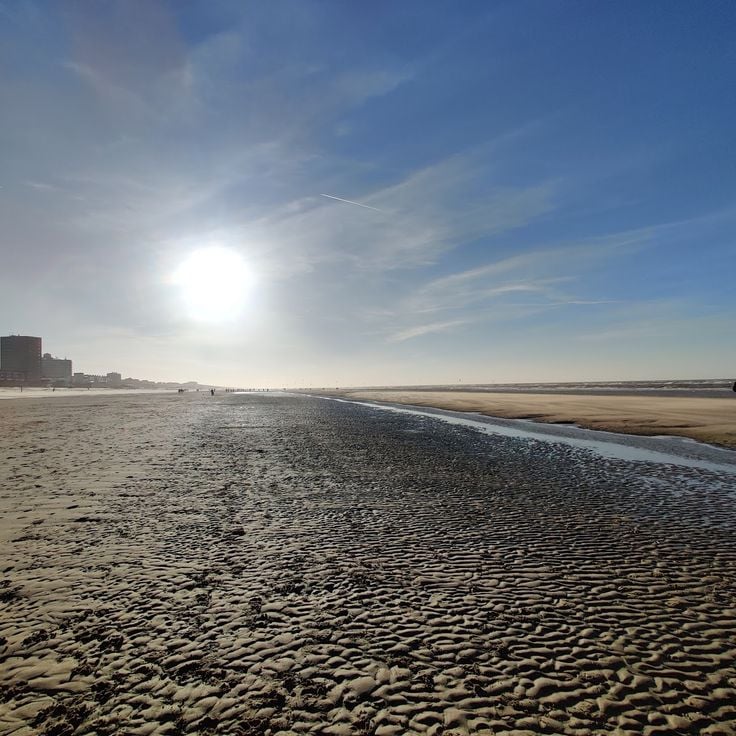
Zandvoort is a beach town on the Dutch North Sea coast. The sandy shore stretches wide along the waterfront and invites swimming and relaxation. A lively promenade lines the water, with restaurants and cafes open year-round. In summer, visitors come to enjoy the sea and spend time by the waves. Beach pavilions and water sports fill the coastline. Zandvoort shows how Dutch people use their coast as a place to gather, swim, and enjoy leisure time together.
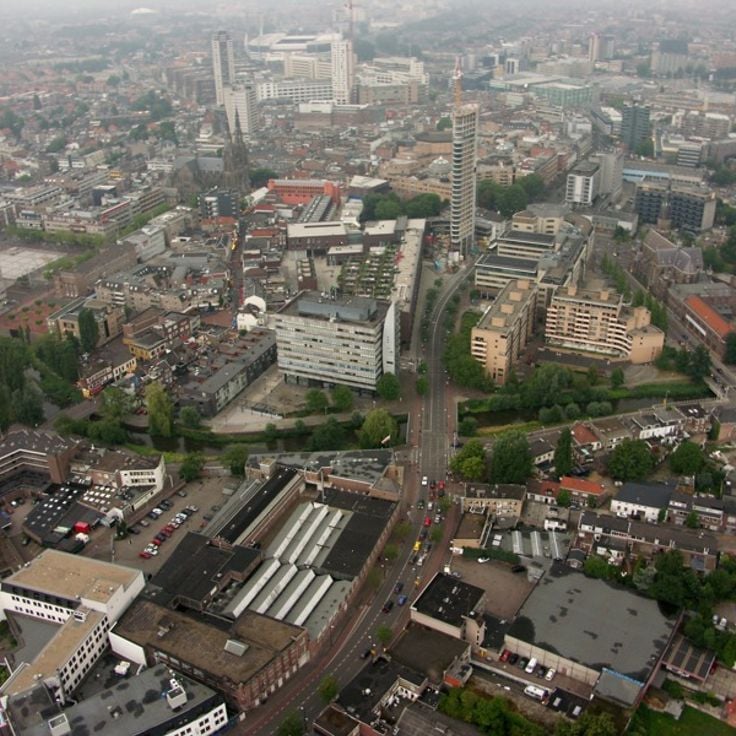
Eindhoven is a modern city in the south of the Netherlands that has transformed from its industrial past into a center for design and innovation. You will find museums displaying contemporary art and design, along with buildings created by modern architects. The city has an energetic feel with restaurants, cafes, and shops in the downtown area where people walk, shop, and gather. Eindhoven attracts visitors interested in how a former industrial town has reinvented itself through design and culture.
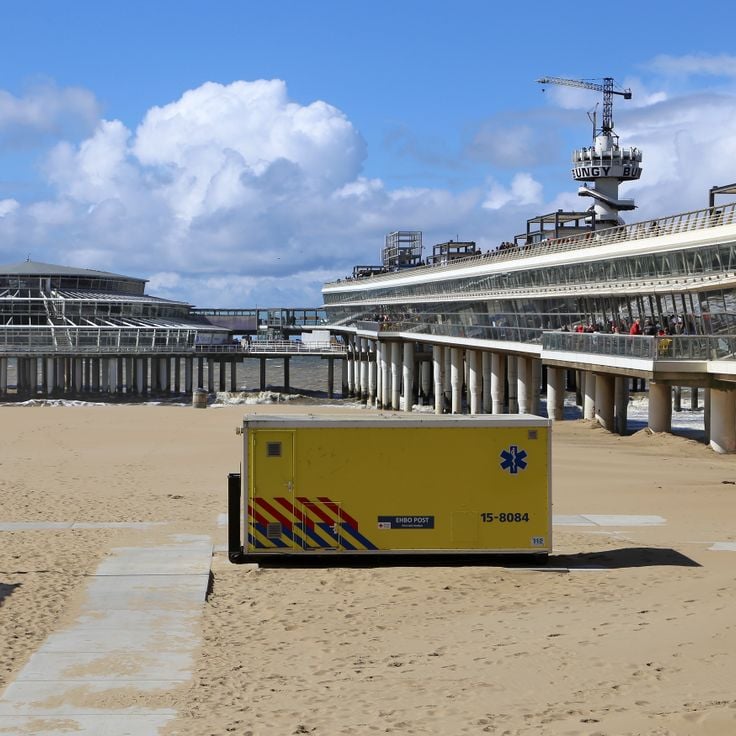
Scheveningen is a coastal resort that forms part of The Hague, situated on the North Sea. The beach attracts visitors throughout the year who come to swim, walk, or spend time at the many restaurants and cafes. The pier is a notable landmark and a popular gathering spot. The wide promenade offers space for long walks, and from here you can easily reach The Hague's city center.
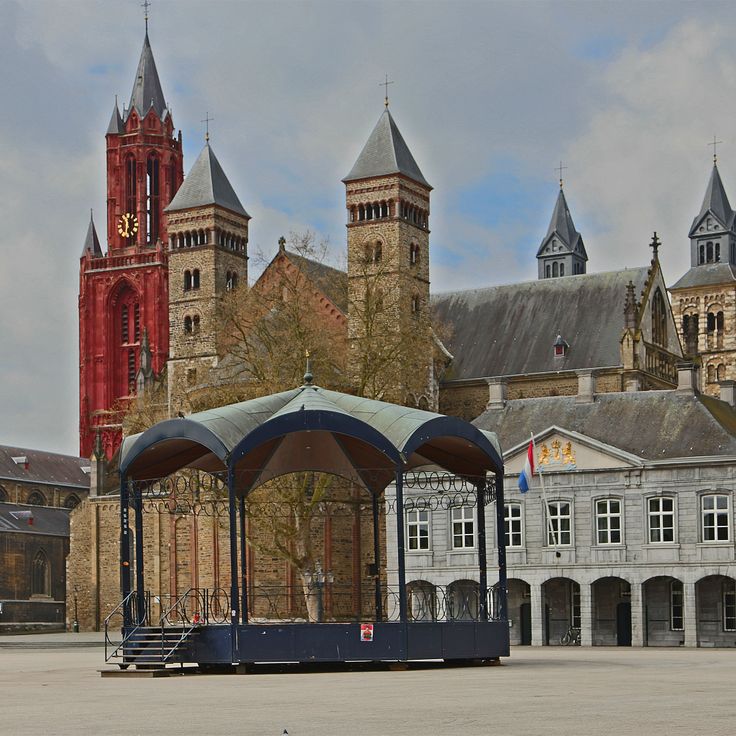
Maastricht is an old city on the Meuse River with historic architecture that shapes the character of the old town. Underground grottos run through the stone beneath the city. The city has a southern character that shows itself in the streets, squares, and daily life. Maastricht fits into this collection because it shows how the Dutch have built their cities along rivers and how they live with water.
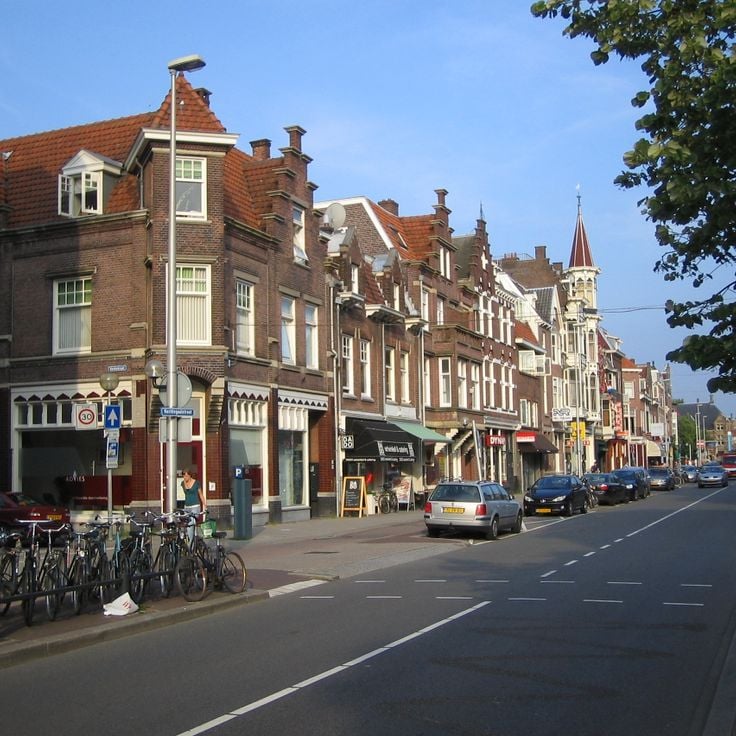
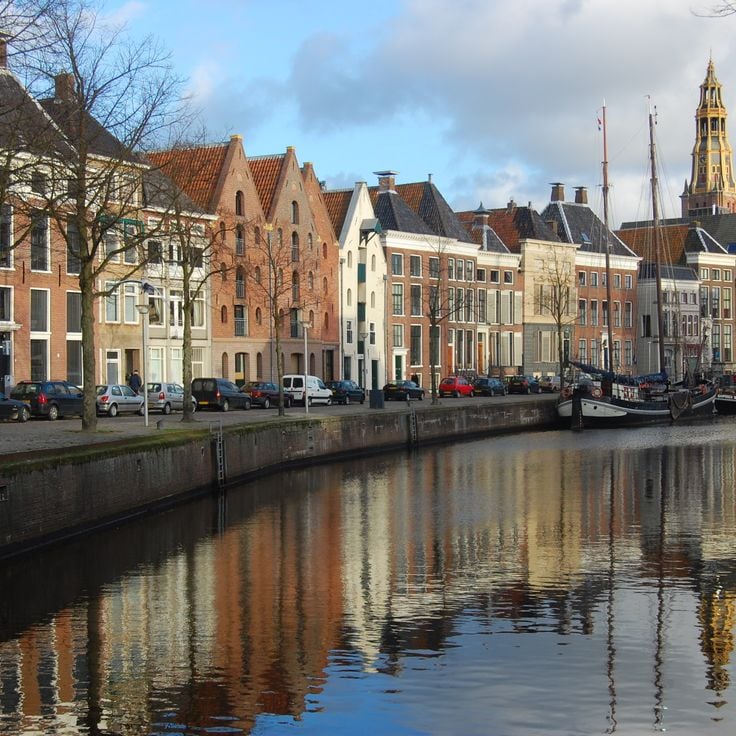
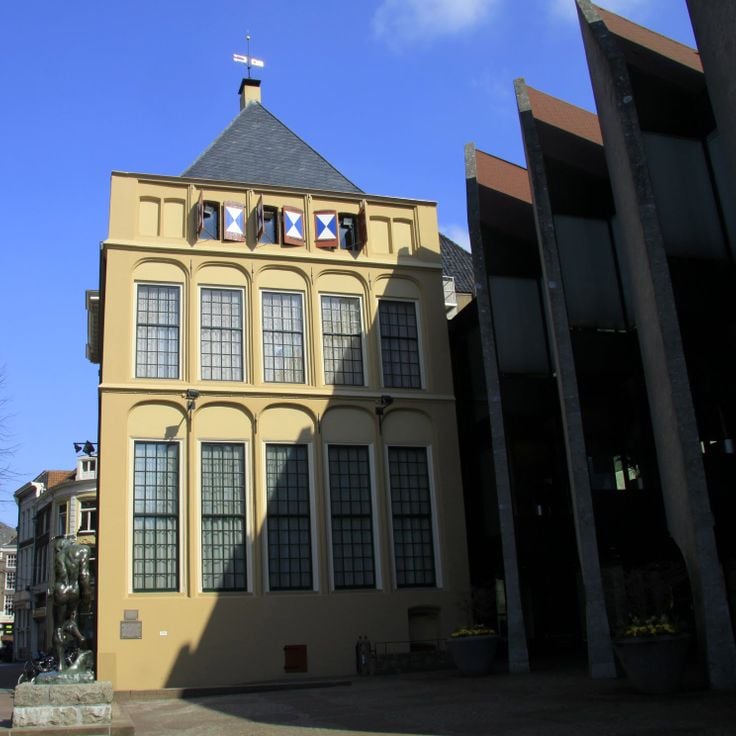
Groningen is a student city in the north of the Netherlands where history and contemporary life blend together. The center is defined by medieval and classical buildings that line the main square and canals. The city lives from its young population: cafes, restaurants and bars fill daily with students and residents. Museums display local artworks and regional history. In the streets you see bicycles everywhere, people stroll along the waterways. Groningen combines the legacy of an old trading city with the rhythm of a modern study center, where tradition and everyday life exist side by side.
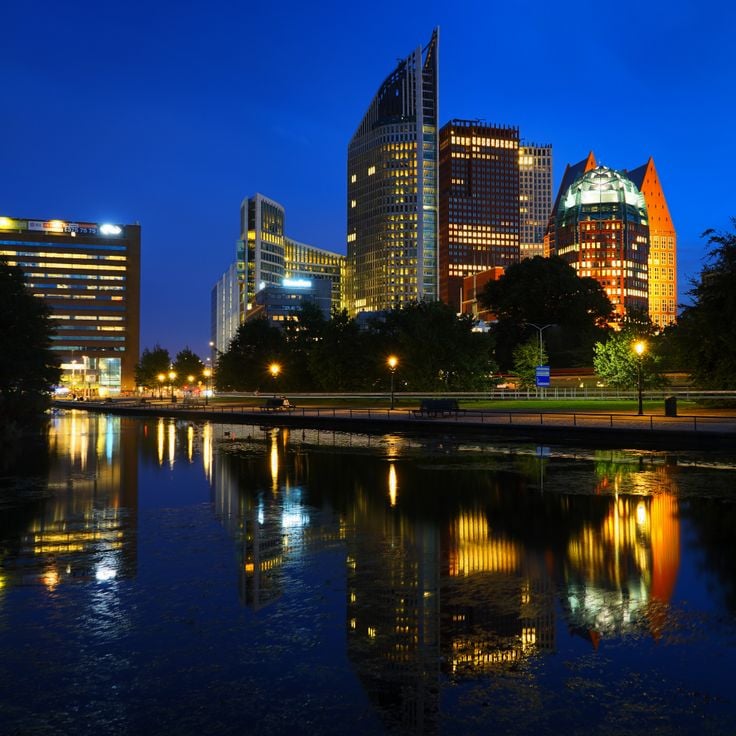
The Hague is the administrative capital of the Netherlands and sits in South Holland. The city blends history with modern life in a natural way. The Binnenhof complex in the center has been the seat of government for centuries and now houses Parliament. Around this historic heart, museums display important art collections. What makes The Hague unique among European capitals is its proximity to the North Sea. Scheveningen, a beach resort, lies just a few kilometers away with wide sandy beaches, a lively promenade, and a pier lined with restaurants. Here, politics, culture, and leisure come together without feeling forced.
The New Dutch Waterline is a system of forts and hydraulic structures built between the 17th and 19th centuries, stretching across Utrecht and South Holland. This defense line used water as a weapon: the Dutch could breach dikes and flood entire areas to stop invaders. Today visitors can walk along the historic route, exploring the remaining ruins and structures to understand how the Dutch turned their landscape into a defense system.
Leiden is a university city where canals run through the historic center and old palaces stand among newer buildings. Students fill the streets, especially near the university, creating an energetic presence. Museums hold art collections and historical artifacts. The architecture spans several centuries and shapes how the city looks and feels. Walking through Leiden, you notice cafes and shops along the canals, and the mix of old and new throughout the streets. The city shows how Dutch towns preserve their past while staying active and relevant today.
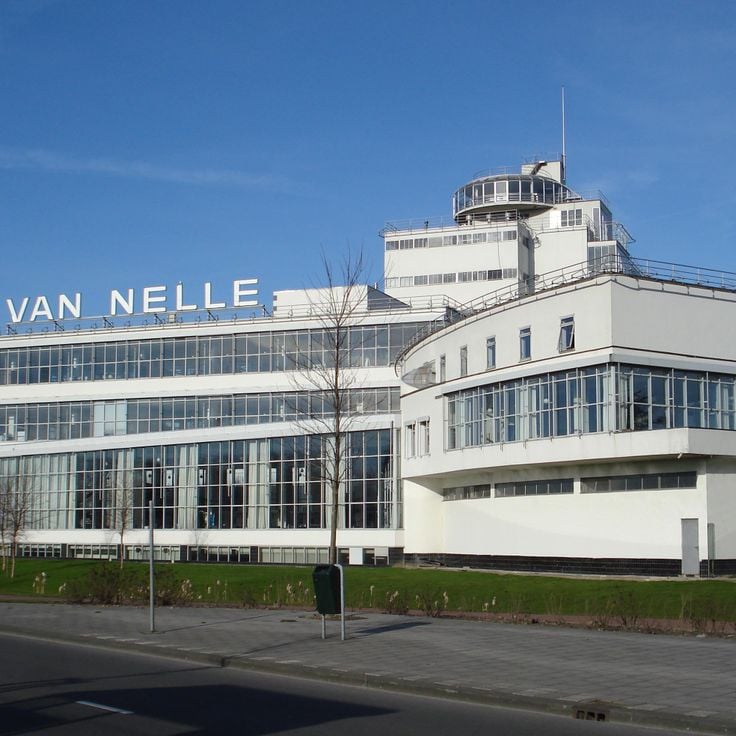
The Van Nellefabriek is a 20th-century industrial building in Rotterdam that holds UNESCO World Heritage status. The factory was designed with modern architecture during the interwar period and now serves as a cultural center. Today, the site hosts exhibitions, concerts, and events. The spaces are open to visitors and demonstrate how industrial buildings have been transformed to serve new purposes and bring people together.
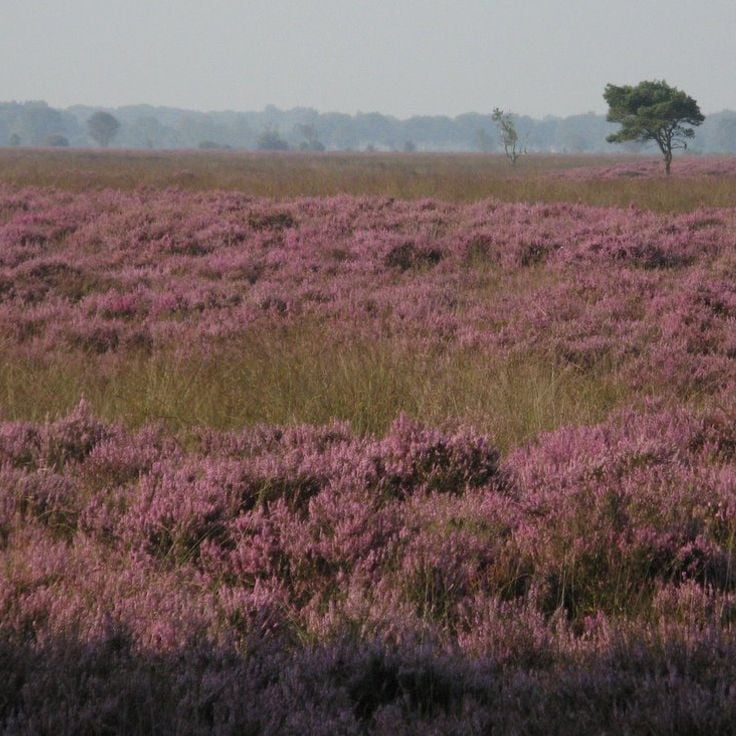
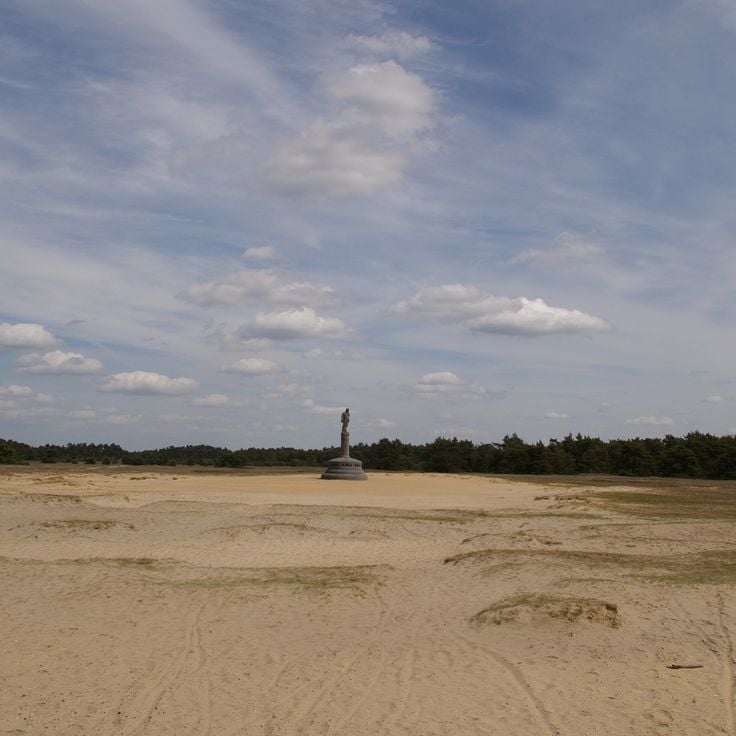
This national park in Drenthe preserves open heathland with juniper and walking trails through landscapes shaped by centuries of traditional land management. The park protects an ecosystem that once covered much of northern Europe. Visitors moving through the terrain find open views and quiet paths that wind through rolling terrain. In late summer, the heather blooms in purple hues. The park demonstrates how people lived with and shaped this natural environment for generations, creating spaces where nature remains open and unwooded.
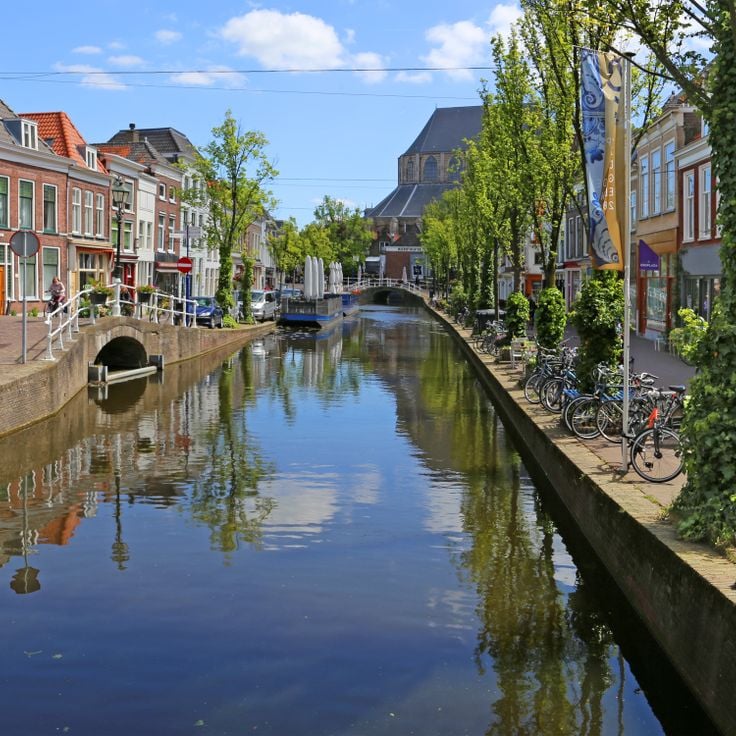
Delft is a historic city with a medieval center crossed by canals. The city is known for its traditional blue ceramic ware, called Delftware. The city center shows how the Dutch built their towns around water. Canals shape the appearance of the city, and along their banks stand old houses and bridges. Blue ceramic has been an important part of the local craft tradition for centuries and continues to define the city's character today.
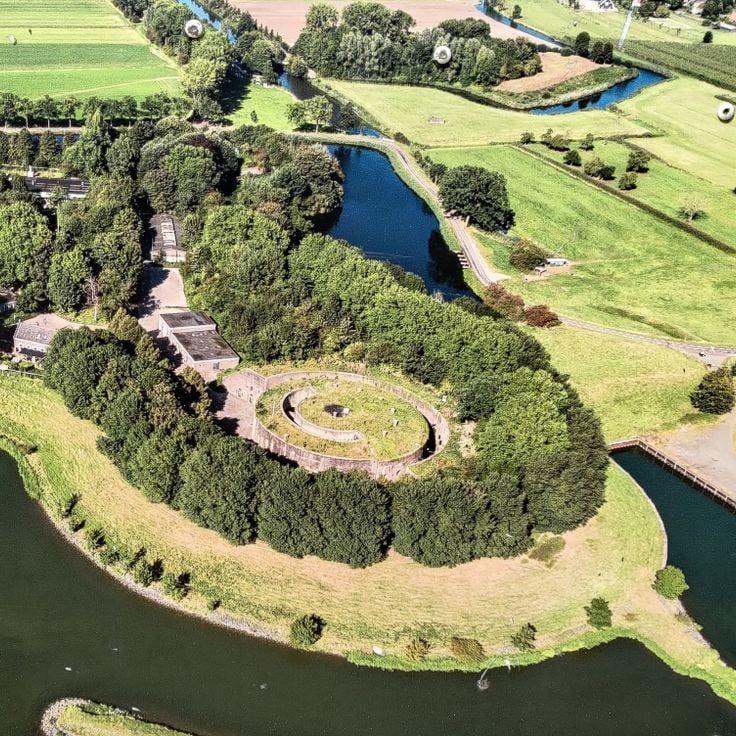
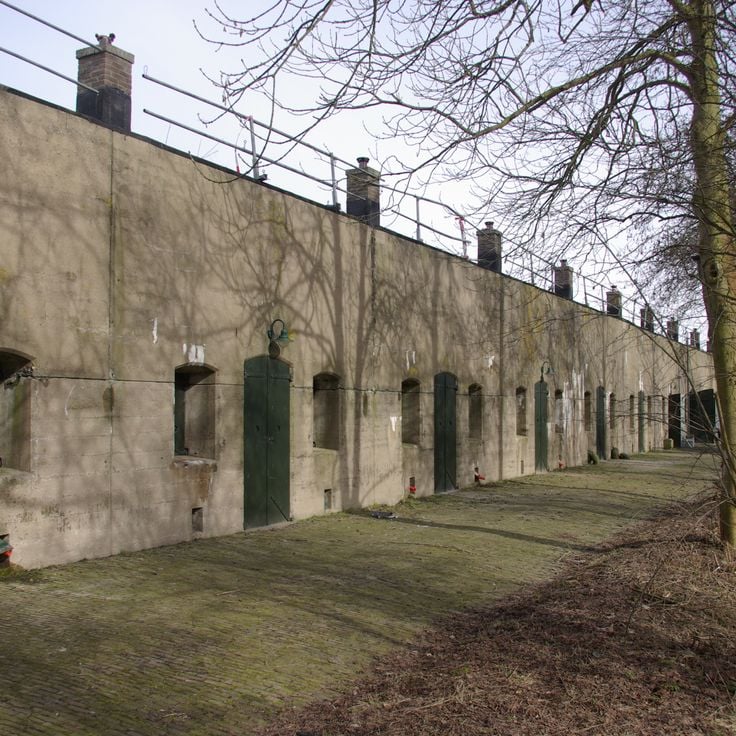
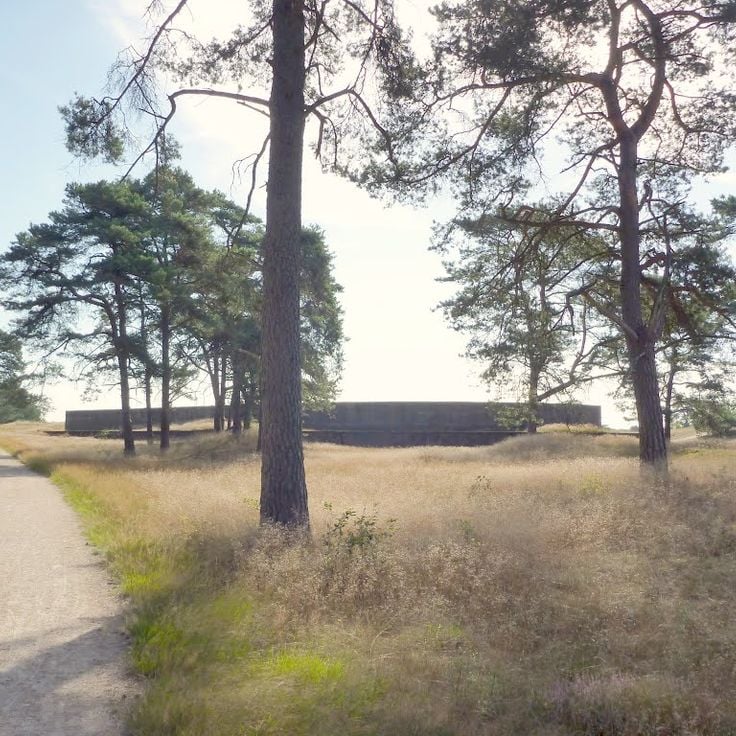
Amsterdam's Defense Line is a system of 42 historic forts that form a protective ring around the city. Built starting in the 19th century, these fortifications show how the Dutch protected their most important city from attack. Today, these structures tell the story of military engineering and strategic planning through their walls and gun positions. The forts are recognized as a UNESCO World Heritage site. Visitors can walk through these sites and see how water and fortifications worked together to defend Amsterdam.
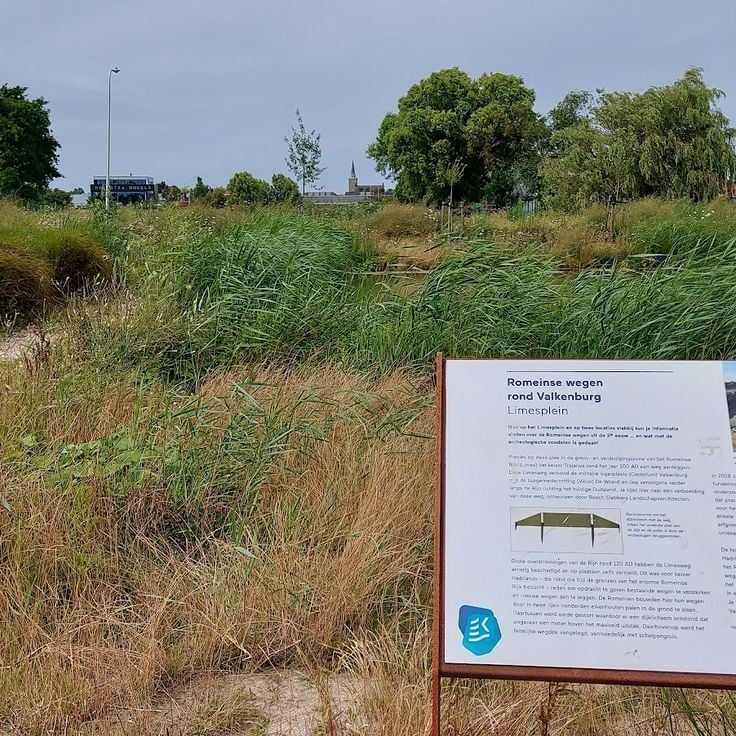
The Lower Germanic Limes are archaeological sites scattered across eastern and central Netherlands, marking the Roman frontier. These locations are UNESCO World Heritage sites that reveal how Rome protected its border. Visitors can see remains of forts, ramparts, and walls at different spots. Local museums help explain how soldiers and communities lived when this region was part of the Roman Empire.
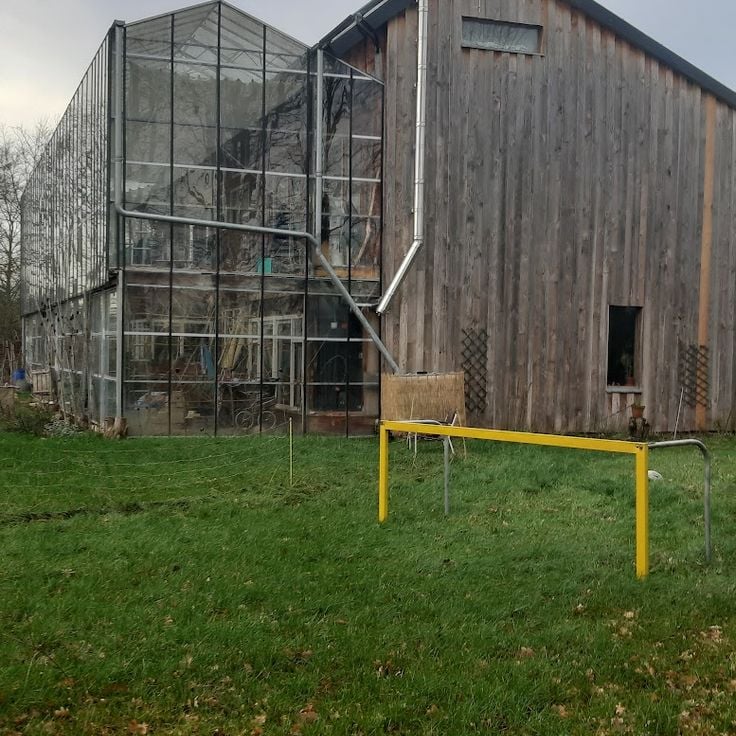
The Colonies of Bienfaisance in Drenthe and Overijssel are agricultural settlements from the 19th century recognized as a UNESCO World Heritage Site. They were founded as places of social reintegration, where work on the land offered people a chance to rebuild their lives. The buildings and layout of these colonies tell the story of this era, showing how farming and community life were intertwined. Walking through them reveals how the Dutch approached social reform with both practical purpose and human dignity.
De Hoge Veluwe National Park is a large protected area in Gelderland that combines heathland and forests. Visitors explore the park for free using bicycles provided at the entrances. Inside the park sits the Kröller-Müller Museum, which holds an important collection of works by Van Gogh and other modern artists. The landscape shifts between open heath and thick woodland, where deer and other animals roam in their natural setting. The park offers paths for walking and cycling through different natural habitats.
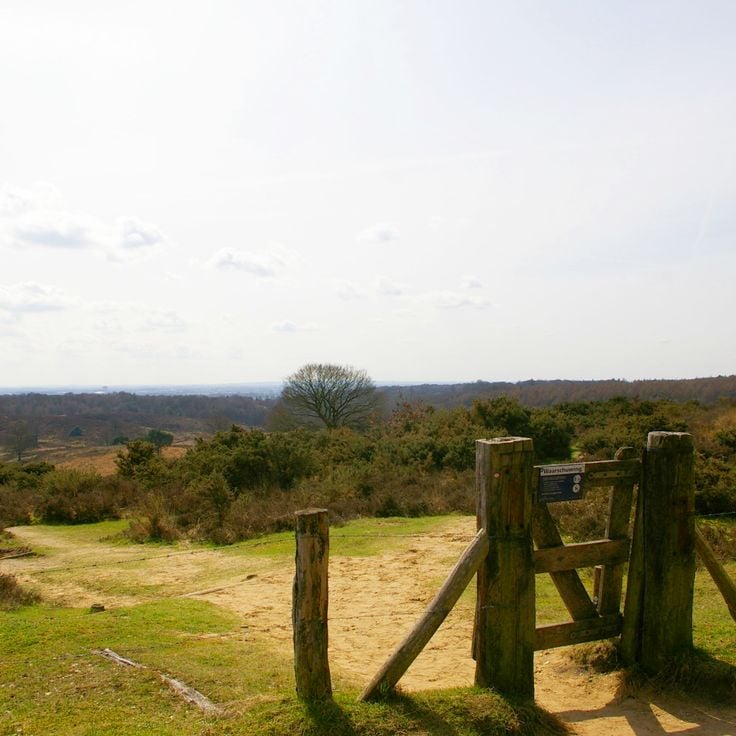
This national park spreads across heathland and forests with views over the valley. Walking paths wind through the landscape, and visitors can explore the natural variety of the region where heaths and woodlands meet.
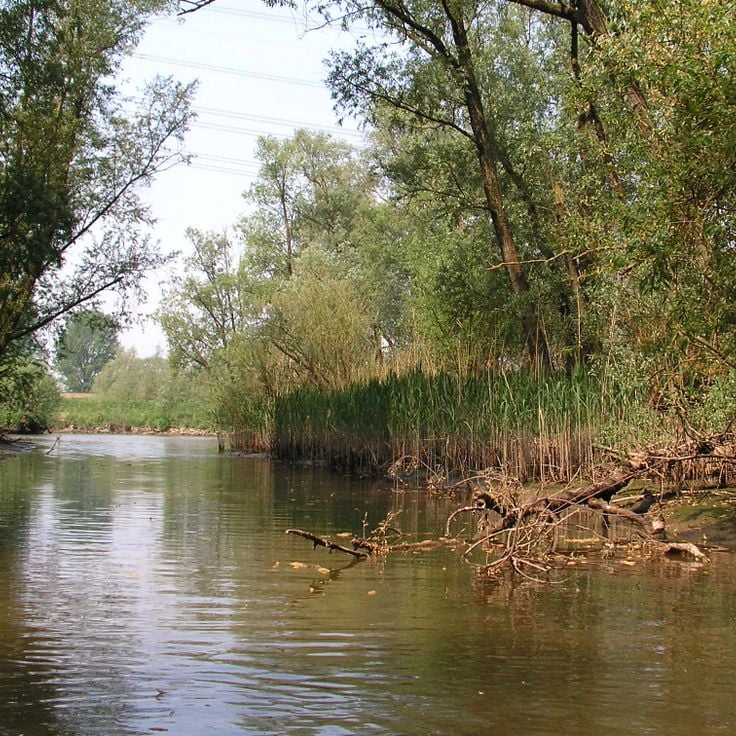
De Biesbosch National Park is a river delta with wetlands and open landscapes shaped by water and wind. Visitors come here to observe birds, paddle through narrow waterways by kayak, and walk along the water's edge. The park shows how the Dutch landscape adapts to flowing rivers. Channels weave through reed beds, and the rhythm of tides touches daily life in this wild corner of the Netherlands.
The Kröller-Müller Museum sits in the heart of the De Hoge Veluwe National Park and holds one of the world's finest collections of Vincent van Gogh's paintings and drawings. The museum displays works that trace van Gogh's artistic journey alongside pieces by other modern artists from the 19th and 20th centuries. An adjoining sculpture garden spreads through the park's forest and heath landscape, placing artworks in natural settings. Visitors walk through woodlands and open terrain to reach this museum, which demonstrates how Dutch people have shaped spaces where art and nature coexist.
Drents-Friese Wold National Park features forests, heathlands, and wooded areas crossed by hiking trails and cycling routes. The park shows the natural landscape of the Drenthe and Friesland regions, where visitors can walk through paths and explore nature. The terrain includes open areas and woodlands that invite exploration and offer a view of the natural environment in the northern Netherlands.
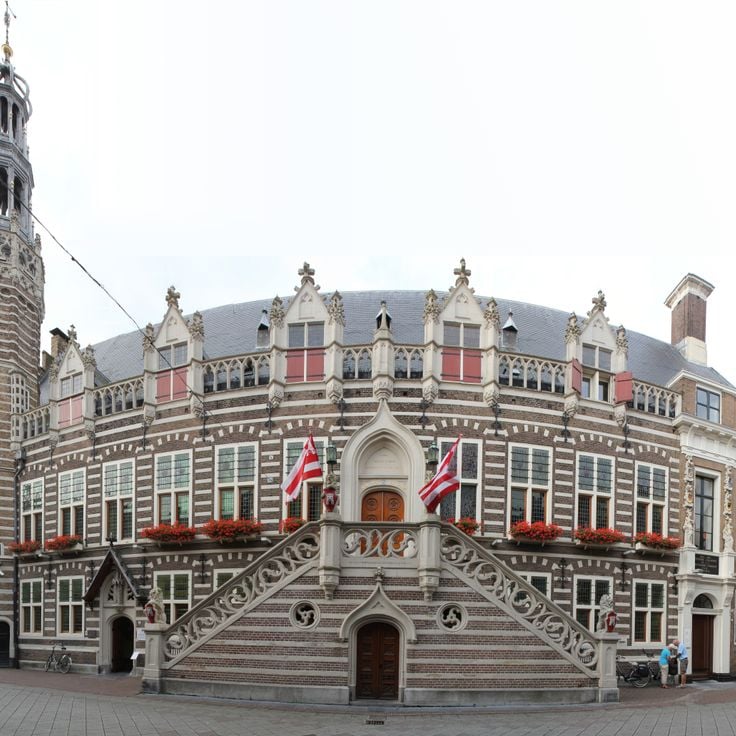
Gouda is a historic town in South Holland, known for its famous cheese. The center has medieval buildings with narrow streets and an impressive town hall on the main square. The Church of Saint John is an important structure with large stained-glass windows. The traditional cheese market still operates today, with traders displaying wheels of cheese on the square as they have done for centuries. The town connects history with daily commerce, making it an authentic place for visitors who want to understand how the Dutch have lived and worked.
Oosterschelde National Park is an inland sea arm dotted with islands where visitors watch seals and experience a rich marine ecosystem. The tides and currents shape daily life here. Fishing remains an important activity, and the waters support diverse wildlife. The park demonstrates how people have learned to live with the rhythms of water and tide.
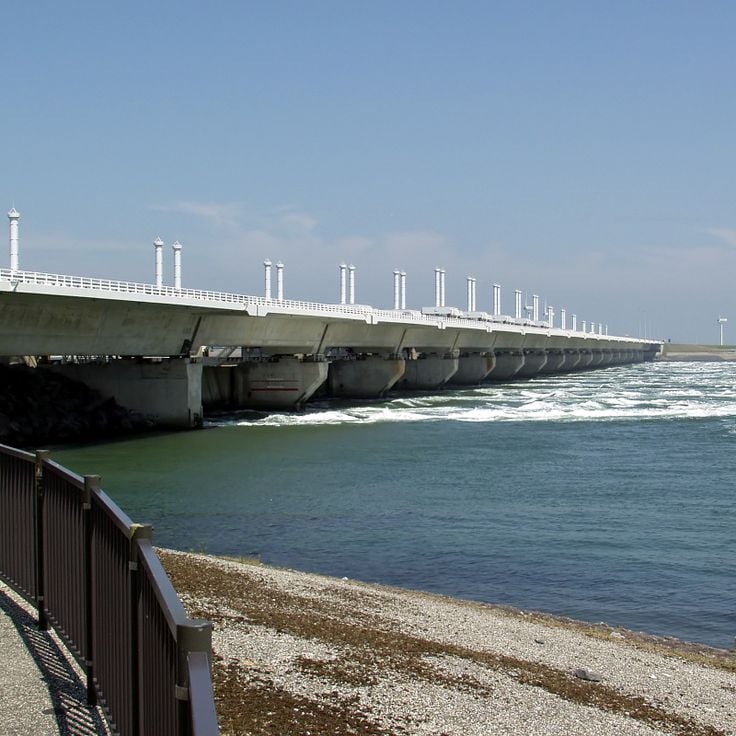
Delta Works is a complex system of dams, dykes, and coastal defenses that protect Zeeland from flooding. These structures show how the Dutch have managed water and land for centuries. Walking or driving through the area, you see how human engineering shapes the landscape with long lines of concrete and earth. The project connects multiple systems and tells the story of how water defines life in the Netherlands.
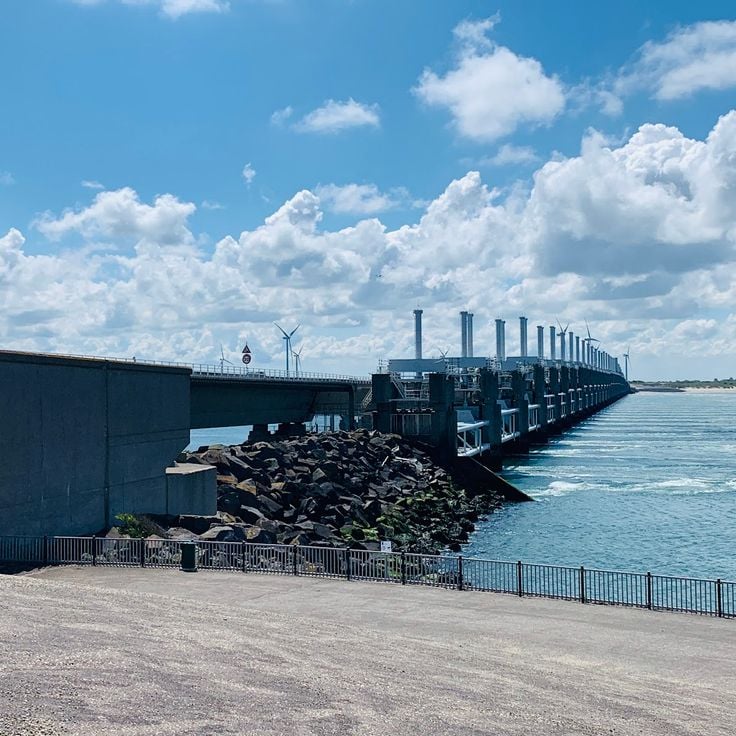
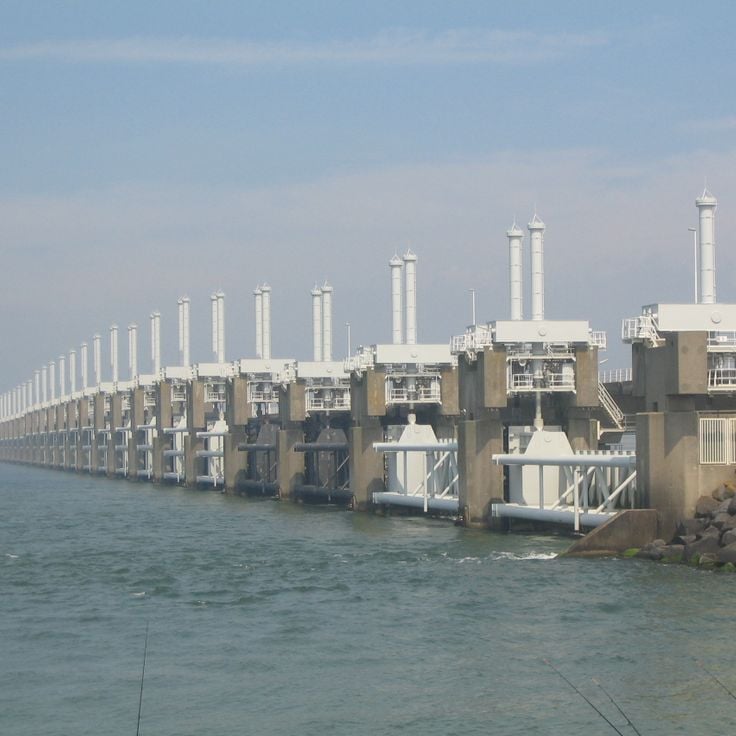
The Oosterscheldekering is a monumental storm surge barrier with movable gates, showcasing Dutch hydraulic engineering at its finest. This structure protects the coast from flooding while allowing tides to flow naturally, maintaining the ecosystem of the Oosterschelde estuary. It represents how the Dutch have managed water for centuries, turning engineering challenges into solutions. Visitors can walk along the barrier and grasp the scale of the project and the ingenuity required to live in a land where much of the territory sits below sea level.
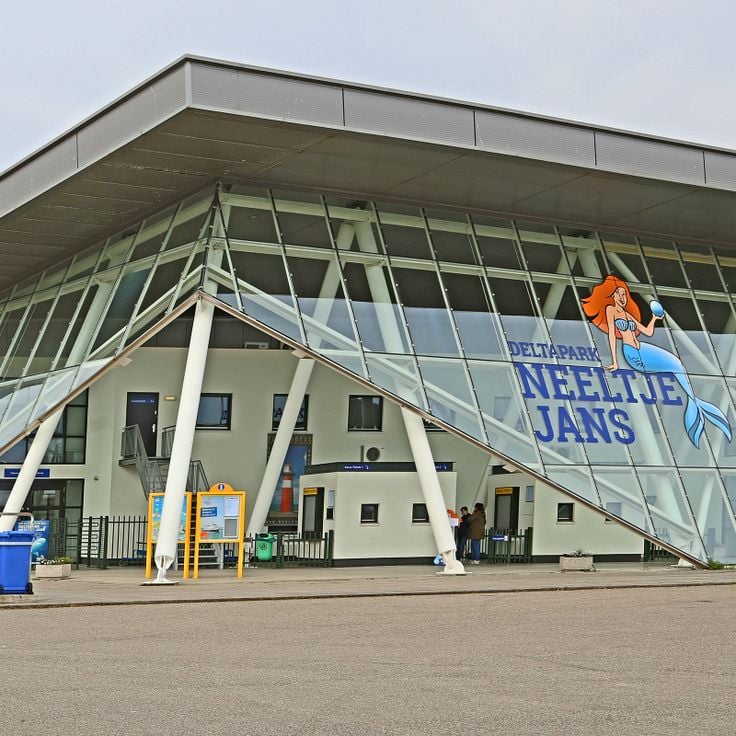
Neeltje Jans is a park and visitor center in Zeeland dedicated to the Delta Works. Here you can explore exhibitions about the history of dikes and storm surge barriers, and view the massive engineering structures from observation platforms. The site shows how the Dutch have managed water and land over centuries.
Duinen van Texel National Park protects the dunes and natural habitats on the island of Texel. Walking through this park, you pass sand hills shaped by wind, pine and birch forests, and open grasslands where deer roam. The paths wind through dry dunes covered in marram grass, wetland areas with marsh plants, and forested sections. Birds stop here during migration and nest in spring. This is a place where you can walk quietly through nature and feel far from crowds.
Alkmaar is a city famous for its cheese market, where vendors and buyers have gathered for centuries. The historic center of the city remains largely unchanged, with buildings and streets from earlier periods still standing. Canals run through Alkmaar, shaping how people move through the city. This place shows how the Dutch have linked trade and daily life with water and architecture.
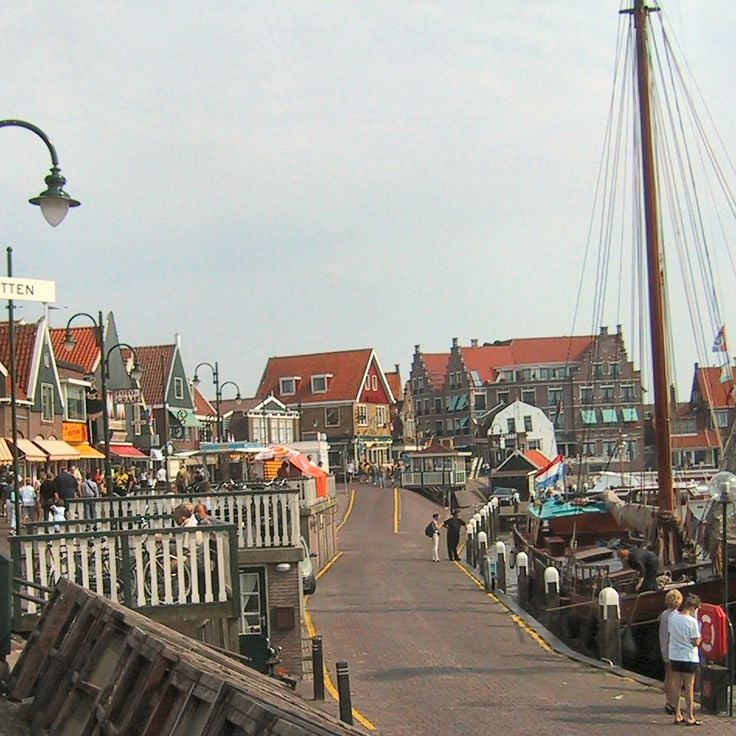
Volendam is a fishing village where colorful traditional houses line the waterfront and boats fill the active harbor. The narrow streets show how generations of fishermen have built their lives around the sea. Walking through the village, you see how local life still revolves around fishing and maritime traditions. The architecture and the working port give the place its character.
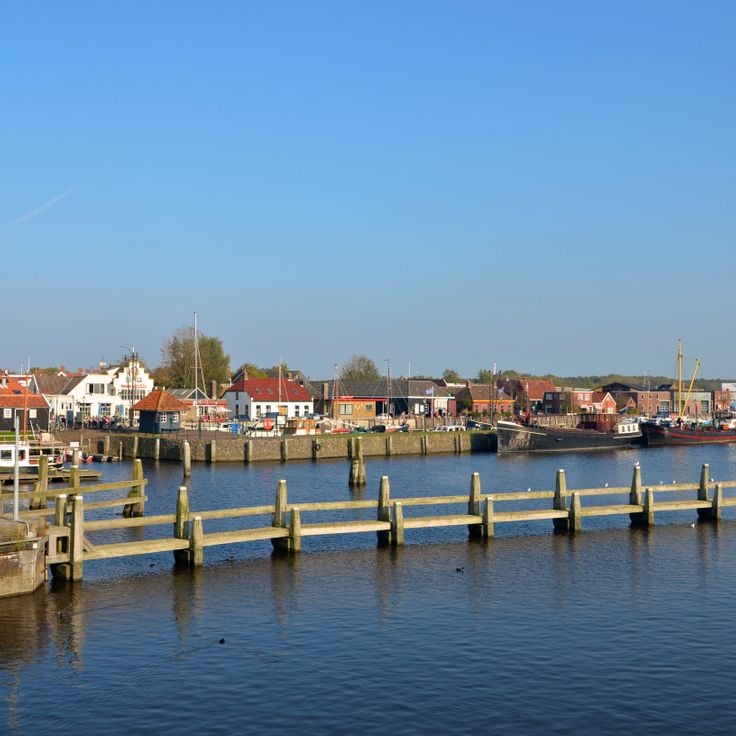
Zoutkamp is a small coastal village in the province of Groningen. The village serves as a harbor for visitors heading to the national park and the northern coast. Fishing traditions remain part of daily life here. The village harbor is modest and personal. You see fishing boats and sailboats anchored side by side. Your view stretches across the water to the horizon. This village fits the collection's focus on places away from major routes, where life is tied to water and tides.
Zwolle is a city where history flows through the streets. Canals wind through the center, connecting old merchant houses to modern daily life. Medieval lanes lead to churches and museums that tell the story of its past as a Hanseatic trading city. The cultural scene is active, with galleries, theaters, and events throughout the year. Walking through Zwolle, you find places where trading heritage and contemporary city life stand side by side.
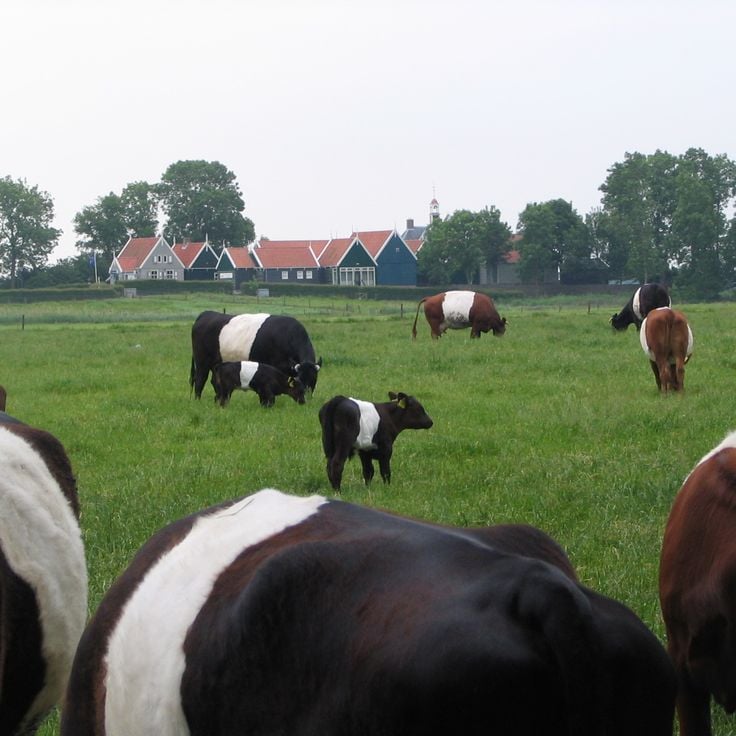
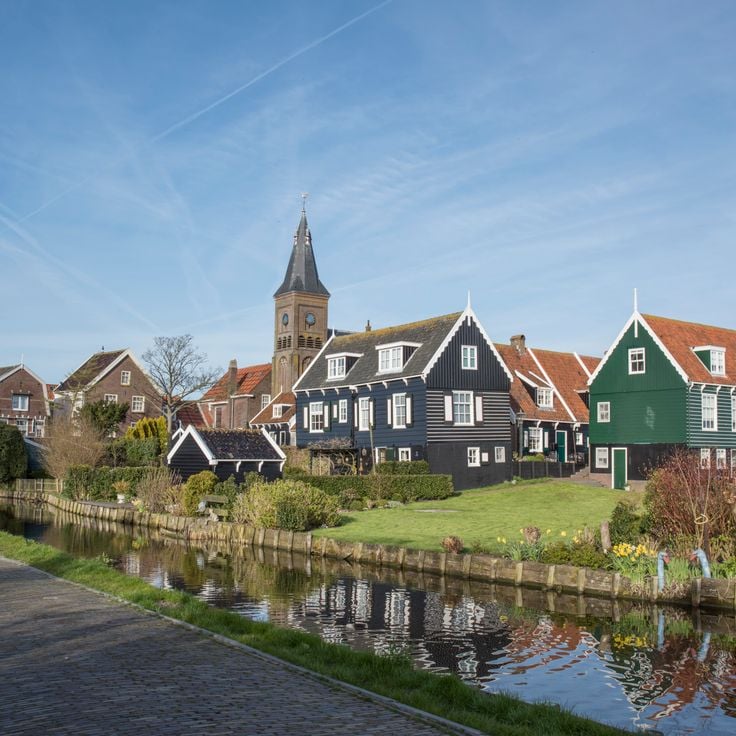
Marken is a former island village with traditional houses that preserve the history of Frisian maritime life. The settlement shows how Dutch people have lived with water for centuries. Houses stand on stilts to protect against flooding. The harbor remains active today, and streets wind between colorful buildings. Visitors can see how locals continue traditional crafts and ways of life passed down through generations.
Deventer is an ancient Hanseatic city on the IJssel River in the eastern Netherlands. Its medieval center holds narrow streets, historic buildings, and churches that reflect centuries of trade and settlement. The city contains museums that show how life unfolded here over time, and the river remains central to how the place feels and functions. Walking through Deventer, you notice how water shaped everything, from the layout of streets to the way buildings are positioned along the waterfront.
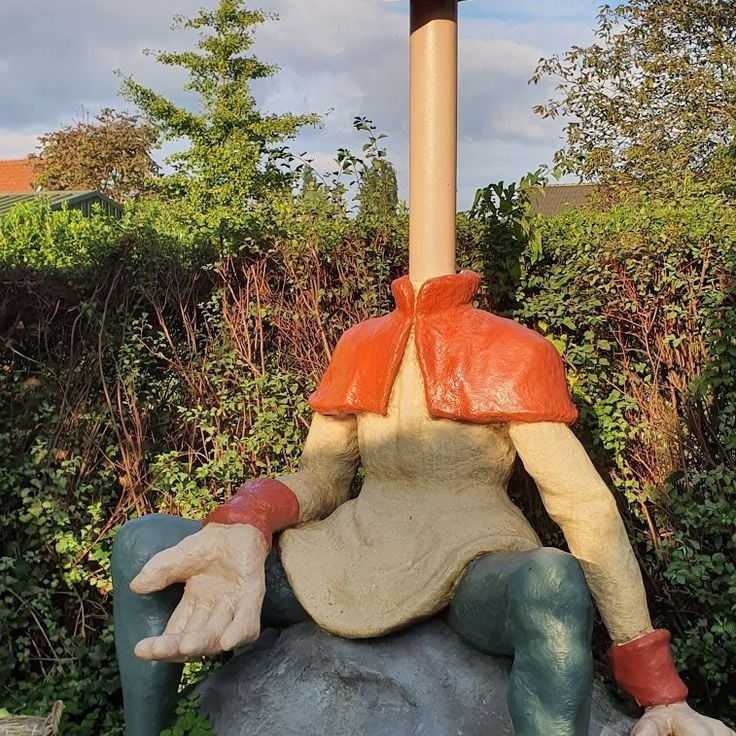
Efteling is a theme park in Kaatsheuvel that attracts families with rides, fairy tale settings, shows, and various forms of entertainment. The park combines mechanical attractions with storytelling, creating spaces where visitors can step into imaginative worlds. Different themed areas take you through fairy tales and fantastical landscapes. Efteling demonstrates how Dutch creativity extends to the realm of family entertainment and theme park design.
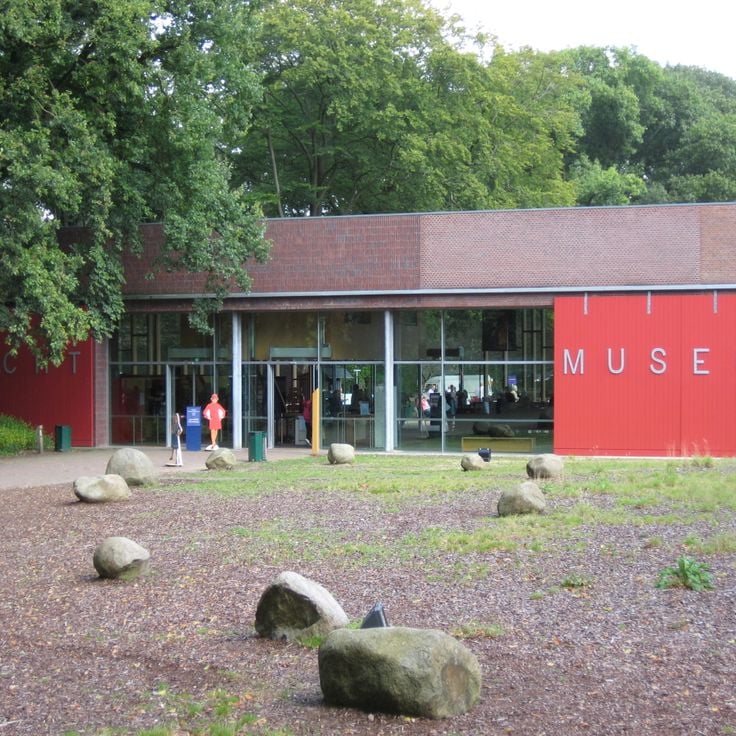
The open-air museum in Arnhem displays traditional Dutch houses, farms, and historic buildings from different regions and periods. Visitors can watch craftspeople demonstrating old techniques and learn how people lived in earlier times. Walking through the park, you get a sense of rural life before modern times arrived. The buildings show how people built, worked, and organized their homes across the Netherlands, and you can see how daily tasks were performed in the past.
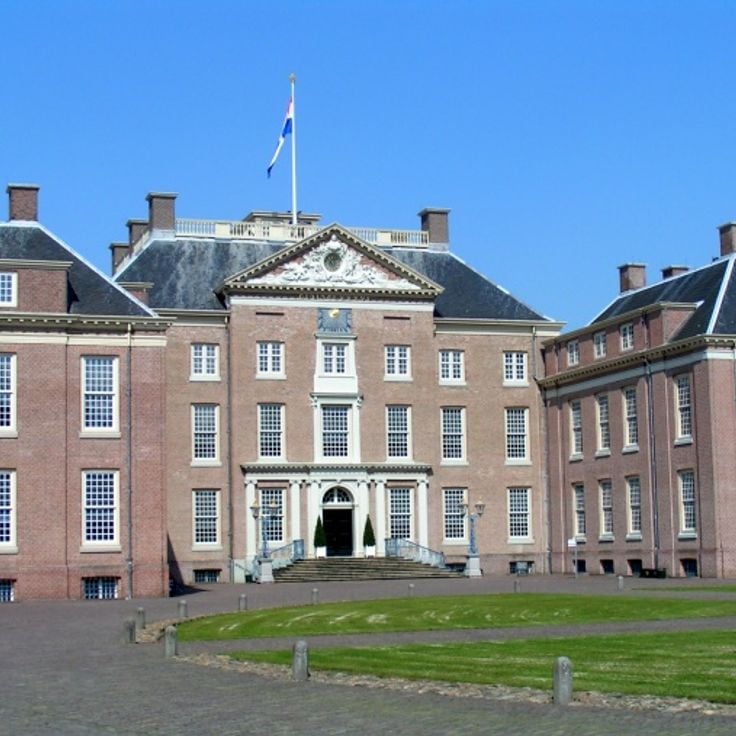
Palais Het Loo in Apeldoorn was once a royal residence and now serves as a museum. The palace displays architecture and interiors from different periods of history. The gardens surrounding the building follow a formal geometric layout with precise lines and patterns. Visitors can explore how the Dutch royal family lived and understand their role in the nation's past. The rooms are kept intact with period furniture, artwork, and personal objects from centuries ago. A visit provides insight into court life and how the country developed over generations.
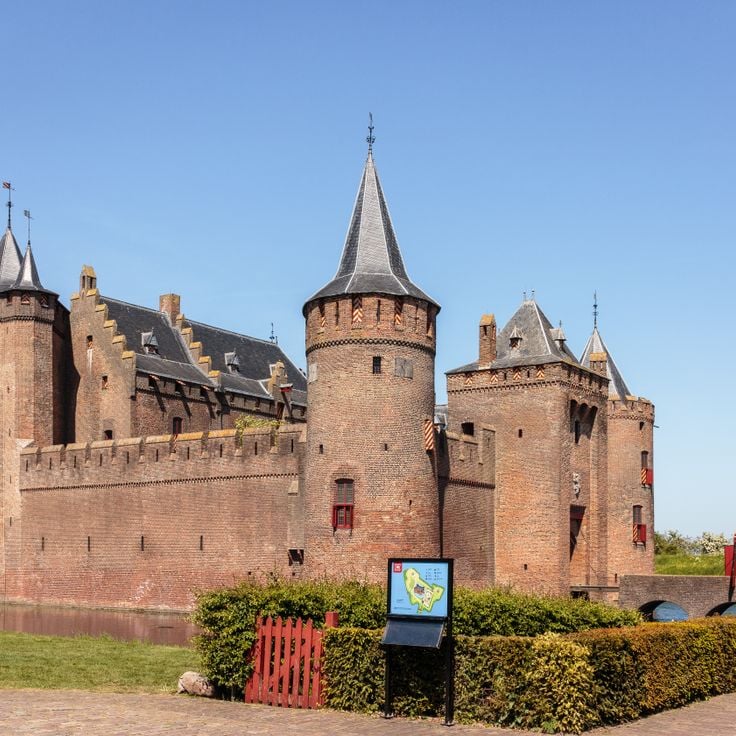
Muiderslot is a medieval fortress with moats and towers near Amsterdam in Muiden. This castle shows how the Dutch protected their lands and used water as a natural defense. The fort sits in a region where canals cut through the landscape and waterways shape daily life, much like the other historic sites found across the Netherlands outside the major cities.
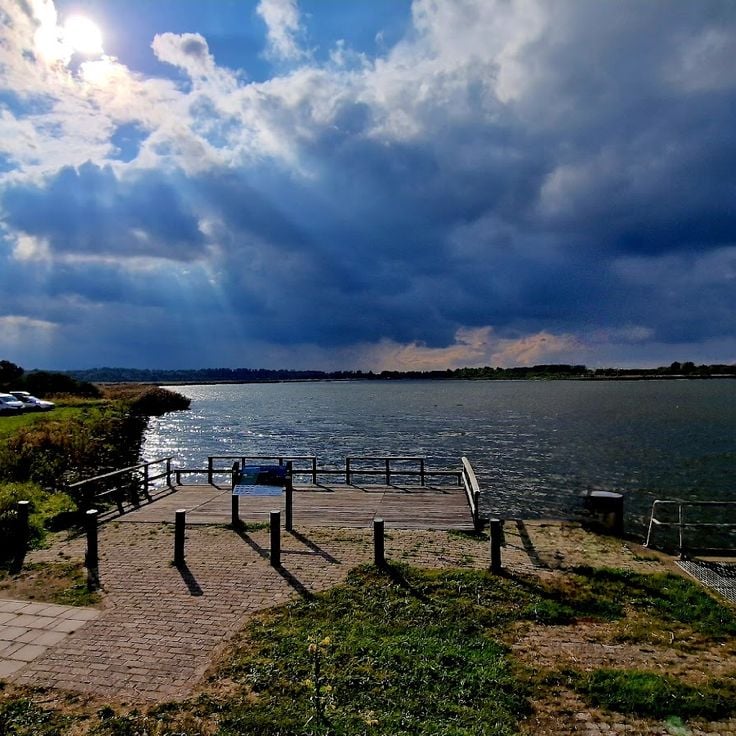
Lauwersmeer is a coastal nature reserve between Groningen and Friesland that provides access to the Wadden Sea National Park. Created in the 1960s when a dike was built to separate it from the sea, this body of water has become an important refuge for migrating birds. Visitors can observe thousands of birds resting during their journeys and walk along the shallow shores. The site shows how the Dutch have shaped their landscape to create habitats where nature and people coexist.
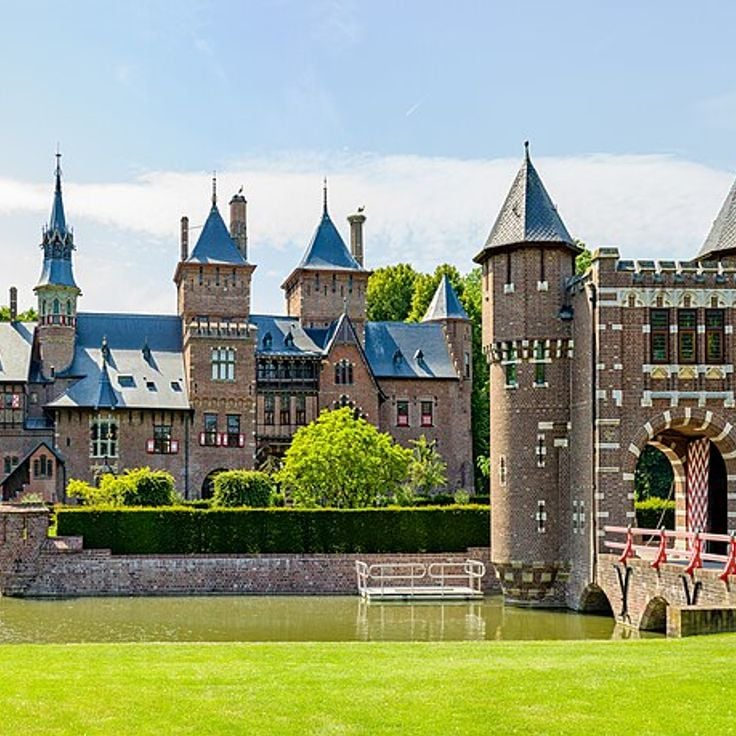
Kasteel de Haar is a large castle with neogothic architecture that has been completely restored. It has moats, manicured gardens, and a historical museum. The building shows how Dutch noble families built their castles near Utrecht. The rooms are richly furnished, the grounds invite you to walk around, and the castle's history comes alive through exhibitions. The castle sits outside the major cities and fits perfectly into this collection, which showcases the significant cultural sites of the Netherlands beyond the usual tourist routes.
The mills of Kinderdijk show how the Dutch shaped their landscape through waterworks and engineering skill. This 19th-century ensemble rises from the flat polder countryside and tells the story of how people controlled water and made land habitable. The wooden structures stand in a row along the canal and witness a time when wind power drove daily life. Today you walk among them and see how these buildings reflect the Dutch connection to water and wind.
The Wadden Sea is a coastal area along the northern coast, made up of shallow islands, sandbanks, and mudflats. This sea area is home to millions of birds, seals, and other animals. The Wadden Sea changes with the tides: at low tide, you see mud and sand; at high tide, the water fills the space again. The flow of the tides influences everyday life here. People have lived and worked with these tides for hundreds of years.
Harlingen is a historic Frisian port where old buildings line the waterfront and boats fill the canals. The city shows how people have built their lives around the water for centuries. Maritime museums tell the story of seafaring traditions, and streets lead down to the water at every turn. Daily life here centers on the harbor and the people who work along the canals.
Texel is an island in the North Sea that you can reach by ferry. It has dunes, beaches and coastal villages. You can hike and cycle here. The island is part of the Wadden Islands and known for its nature reserves where you can watch birds and other wildlife.
Terschelling is a Frisian island off the coast where nature and beaches shape daily life. Here, wind, tides, and dunes set the pace of the seasons. The island is part of the Wadden Islands and shows how the Dutch have learned to live with water and wind. Visitors find long beaches, dunes, and small communities where fishing traditions continue.
Giethoorn is a village with no roads, threaded by canals and narrow pathways on foot. Traditional houses face the water, and small bridges connect the different parts of the settlement. Daily life unfolds on the water and along footpaths. Boats replace cars, and quiet shapes the everyday rhythm. This village demonstrates how the Dutch have learned to live alongside water and made it central to their existence.
Ameland is an island in the North Sea with dunes, small coastal villages, and flat cycling routes. This island shows how the Dutch have learned to live with water and wind. The tides and waves shape daily life here. The island is part of the Wadden Islands, where you travel along paths between salt marshes and beaches.
Leeuwarden is the capital of Friesland and demonstrates how the Dutch live with water. The city has a historic center crossed by canals, museums, and an active cultural scene. You will see traditional Frisian architecture and experience how water shapes daily life here.
Zaanse Schans is an open-air museum in Zaandam where wooden mills, old houses, and traditional crafts tell the story of life along the Zaan river. The site shows how people here have worked with water and wind for centuries. Visitors can watch craftspeople demonstrate traditional techniques, explore period rooms in the houses, and understand how daily life operated long ago. The mills are still functioning and form the heart of the museum's character.
Schokland was once an island in the Zuiderzee before drainage projects transformed it into solid ground. This site in Flevoland is now a UNESCO World Heritage location that reveals how the Dutch have controlled water for centuries. The landscape here tells the story of dikes, polders, and human determination. Visitors can explore archaeological remains that show what life was like when this was an island, and understand how engineering shaped the land beneath their feet.
Utrecht is a lively city shaped by its canals and medieval past. The Dom Tower, a towering bell structure from the Middle Ages, dominates the skyline and serves as the city's landmark. The old city center retains its medieval layout with narrow streets and historic buildings. Cultural life thrives here, with museums, theaters, and galleries scattered throughout. The canals are more than scenic features - they are woven into daily life, where locals stroll along the banks and gather on the waterfront when weather permits.
The National Park De Weerribben-Wieden in Overijssel reveals a landscape shaped by water. Vast wetlands and reed beds are crisscrossed by canals perfect for kayaking. Between the peat areas lie patches of woodland that provide habitat for birds and other wildlife. The park invites visitors to explore nature from the water while watching for rare species. This is a place where you see how the Dutch landscape has been molded by its relationship with water and marshes.
The Schoorl Dunes form a natural area of rolling sand dunes crossed by walking paths. Located along the coast of Noord-Holland, these dunes offer views across the sea and the shoreline. The beach lies nearby and is easily reached from the dune trails. This landscape shows how the Dutch landscape has been shaped by the interaction between sea, wind and land.
Keukenhof is a seasonal botanical garden in Lisse that displays millions of flowering tulips each spring. It showcases Dutch flower cultivation and its connection to the Bollenstreek region's landscape, where flower fields shape the countryside year-round.
Bollenstreek is a region where flower bulbs such as tulips, daffodils, and hyacinths are grown. In spring, the fields turn into a display of colors. You can cycle through the plantations and see the flowering landscapes up close. The region shows how the Dutch have developed their land to cultivate these plants.
This national park south of Haarlem shows the raw coastal landscape of the Netherlands with sand dunes, wide beaches, and protected habitats. The nature reserve stretches along the North Sea and offers visitors walks through dune landscapes and views of rare plants and birds. Trails wind over sand hills, past coastal villages, and along beach sections where wind and sea shape the land.
Haarlem is an old city in Noord-Holland where canals, historic squares, and local life come together. Sint-Bavo Church stands as a landmark, and museums offer insight into art and history. The city shows how Dutch people built their settlements around water, with bridges and riverbanks that invite you to walk and explore. Haarlem keeps the feeling of a living, authentic Dutch city where locals and visitors share the streets and squares.
Zandvoort is a beach town on the Dutch North Sea coast. The sandy shore stretches wide along the waterfront and invites swimming and relaxation. A lively promenade lines the water, with restaurants and cafes open year-round. In summer, visitors come to enjoy the sea and spend time by the waves. Beach pavilions and water sports fill the coastline. Zandvoort shows how Dutch people use their coast as a place to gather, swim, and enjoy leisure time together.
Eindhoven is a modern city in the south of the Netherlands that has transformed from its industrial past into a center for design and innovation. You will find museums displaying contemporary art and design, along with buildings created by modern architects. The city has an energetic feel with restaurants, cafes, and shops in the downtown area where people walk, shop, and gather. Eindhoven attracts visitors interested in how a former industrial town has reinvented itself through design and culture.
Scheveningen is a coastal resort that forms part of The Hague, situated on the North Sea. The beach attracts visitors throughout the year who come to swim, walk, or spend time at the many restaurants and cafes. The pier is a notable landmark and a popular gathering spot. The wide promenade offers space for long walks, and from here you can easily reach The Hague's city center.
Maastricht is an old city on the Meuse River with historic architecture that shapes the character of the old town. Underground grottos run through the stone beneath the city. The city has a southern character that shows itself in the streets, squares, and daily life. Maastricht fits into this collection because it shows how the Dutch have built their cities along rivers and how they live with water.
Groningen is a student city in the north of the Netherlands where history and contemporary life blend together. The center is defined by medieval and classical buildings that line the main square and canals. The city lives from its young population: cafes, restaurants and bars fill daily with students and residents. Museums display local artworks and regional history. In the streets you see bicycles everywhere, people stroll along the waterways. Groningen combines the legacy of an old trading city with the rhythm of a modern study center, where tradition and everyday life exist side by side.
The Hague is the administrative capital of the Netherlands and sits in South Holland. The city blends history with modern life in a natural way. The Binnenhof complex in the center has been the seat of government for centuries and now houses Parliament. Around this historic heart, museums display important art collections. What makes The Hague unique among European capitals is its proximity to the North Sea. Scheveningen, a beach resort, lies just a few kilometers away with wide sandy beaches, a lively promenade, and a pier lined with restaurants. Here, politics, culture, and leisure come together without feeling forced.
The New Dutch Waterline is a system of forts and hydraulic structures built between the 17th and 19th centuries, stretching across Utrecht and South Holland. This defense line used water as a weapon: the Dutch could breach dikes and flood entire areas to stop invaders. Today visitors can walk along the historic route, exploring the remaining ruins and structures to understand how the Dutch turned their landscape into a defense system.
Leiden is a university city where canals run through the historic center and old palaces stand among newer buildings. Students fill the streets, especially near the university, creating an energetic presence. Museums hold art collections and historical artifacts. The architecture spans several centuries and shapes how the city looks and feels. Walking through Leiden, you notice cafes and shops along the canals, and the mix of old and new throughout the streets. The city shows how Dutch towns preserve their past while staying active and relevant today.
The Van Nellefabriek is a 20th-century industrial building in Rotterdam that holds UNESCO World Heritage status. The factory was designed with modern architecture during the interwar period and now serves as a cultural center. Today, the site hosts exhibitions, concerts, and events. The spaces are open to visitors and demonstrate how industrial buildings have been transformed to serve new purposes and bring people together.
This national park in Drenthe preserves open heathland with juniper and walking trails through landscapes shaped by centuries of traditional land management. The park protects an ecosystem that once covered much of northern Europe. Visitors moving through the terrain find open views and quiet paths that wind through rolling terrain. In late summer, the heather blooms in purple hues. The park demonstrates how people lived with and shaped this natural environment for generations, creating spaces where nature remains open and unwooded.
Delft is a historic city with a medieval center crossed by canals. The city is known for its traditional blue ceramic ware, called Delftware. The city center shows how the Dutch built their towns around water. Canals shape the appearance of the city, and along their banks stand old houses and bridges. Blue ceramic has been an important part of the local craft tradition for centuries and continues to define the city's character today.
Amsterdam's Defense Line is a system of 42 historic forts that form a protective ring around the city. Built starting in the 19th century, these fortifications show how the Dutch protected their most important city from attack. Today, these structures tell the story of military engineering and strategic planning through their walls and gun positions. The forts are recognized as a UNESCO World Heritage site. Visitors can walk through these sites and see how water and fortifications worked together to defend Amsterdam.
The Lower Germanic Limes are archaeological sites scattered across eastern and central Netherlands, marking the Roman frontier. These locations are UNESCO World Heritage sites that reveal how Rome protected its border. Visitors can see remains of forts, ramparts, and walls at different spots. Local museums help explain how soldiers and communities lived when this region was part of the Roman Empire.
The Colonies of Bienfaisance in Drenthe and Overijssel are agricultural settlements from the 19th century recognized as a UNESCO World Heritage Site. They were founded as places of social reintegration, where work on the land offered people a chance to rebuild their lives. The buildings and layout of these colonies tell the story of this era, showing how farming and community life were intertwined. Walking through them reveals how the Dutch approached social reform with both practical purpose and human dignity.
De Hoge Veluwe National Park is a large protected area in Gelderland that combines heathland and forests. Visitors explore the park for free using bicycles provided at the entrances. Inside the park sits the Kröller-Müller Museum, which holds an important collection of works by Van Gogh and other modern artists. The landscape shifts between open heath and thick woodland, where deer and other animals roam in their natural setting. The park offers paths for walking and cycling through different natural habitats.
This national park spreads across heathland and forests with views over the valley. Walking paths wind through the landscape, and visitors can explore the natural variety of the region where heaths and woodlands meet.
De Biesbosch National Park is a river delta with wetlands and open landscapes shaped by water and wind. Visitors come here to observe birds, paddle through narrow waterways by kayak, and walk along the water's edge. The park shows how the Dutch landscape adapts to flowing rivers. Channels weave through reed beds, and the rhythm of tides touches daily life in this wild corner of the Netherlands.
The Kröller-Müller Museum sits in the heart of the De Hoge Veluwe National Park and holds one of the world's finest collections of Vincent van Gogh's paintings and drawings. The museum displays works that trace van Gogh's artistic journey alongside pieces by other modern artists from the 19th and 20th centuries. An adjoining sculpture garden spreads through the park's forest and heath landscape, placing artworks in natural settings. Visitors walk through woodlands and open terrain to reach this museum, which demonstrates how Dutch people have shaped spaces where art and nature coexist.
Drents-Friese Wold National Park features forests, heathlands, and wooded areas crossed by hiking trails and cycling routes. The park shows the natural landscape of the Drenthe and Friesland regions, where visitors can walk through paths and explore nature. The terrain includes open areas and woodlands that invite exploration and offer a view of the natural environment in the northern Netherlands.
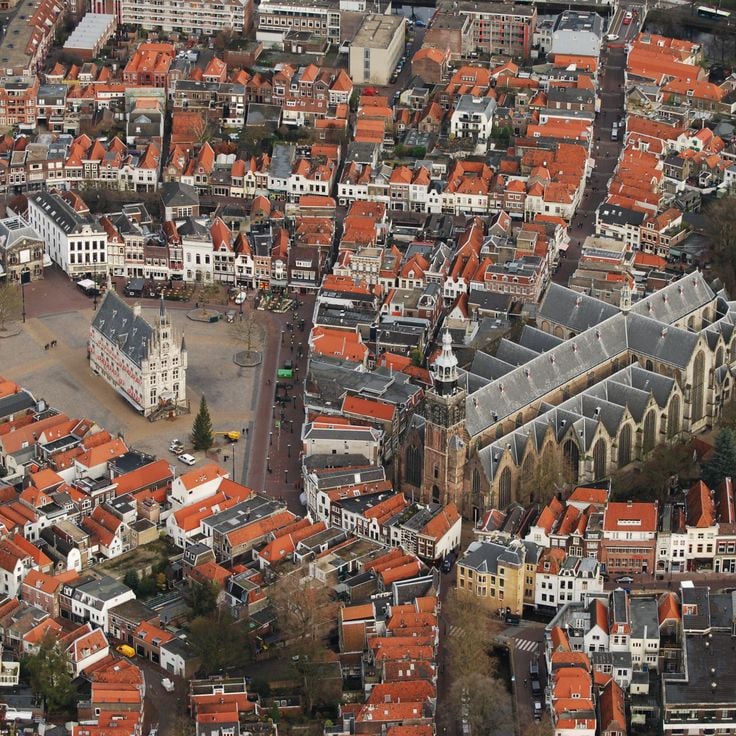
Gouda is a historic town in South Holland, known for its famous cheese. The center has medieval buildings with narrow streets and an impressive town hall on the main square. The Church of Saint John is an important structure with large stained-glass windows. The traditional cheese market still operates today, with traders displaying wheels of cheese on the square as they have done for centuries. The town connects history with daily commerce, making it an authentic place for visitors who want to understand how the Dutch have lived and worked.
Oosterschelde National Park is an inland sea arm dotted with islands where visitors watch seals and experience a rich marine ecosystem. The tides and currents shape daily life here. Fishing remains an important activity, and the waters support diverse wildlife. The park demonstrates how people have learned to live with the rhythms of water and tide.
Delta Works is a complex system of dams, dykes, and coastal defenses that protect Zeeland from flooding. These structures show how the Dutch have managed water and land for centuries. Walking or driving through the area, you see how human engineering shapes the landscape with long lines of concrete and earth. The project connects multiple systems and tells the story of how water defines life in the Netherlands.
The Oosterscheldekering is a monumental storm surge barrier with movable gates, showcasing Dutch hydraulic engineering at its finest. This structure protects the coast from flooding while allowing tides to flow naturally, maintaining the ecosystem of the Oosterschelde estuary. It represents how the Dutch have managed water for centuries, turning engineering challenges into solutions. Visitors can walk along the barrier and grasp the scale of the project and the ingenuity required to live in a land where much of the territory sits below sea level.
Neeltje Jans is a park and visitor center in Zeeland dedicated to the Delta Works. Here you can explore exhibitions about the history of dikes and storm surge barriers, and view the massive engineering structures from observation platforms. The site shows how the Dutch have managed water and land over centuries.
Duinen van Texel National Park protects the dunes and natural habitats on the island of Texel. Walking through this park, you pass sand hills shaped by wind, pine and birch forests, and open grasslands where deer roam. The paths wind through dry dunes covered in marram grass, wetland areas with marsh plants, and forested sections. Birds stop here during migration and nest in spring. This is a place where you can walk quietly through nature and feel far from crowds.
Alkmaar is a city famous for its cheese market, where vendors and buyers have gathered for centuries. The historic center of the city remains largely unchanged, with buildings and streets from earlier periods still standing. Canals run through Alkmaar, shaping how people move through the city. This place shows how the Dutch have linked trade and daily life with water and architecture.
Volendam is a fishing village where colorful traditional houses line the waterfront and boats fill the active harbor. The narrow streets show how generations of fishermen have built their lives around the sea. Walking through the village, you see how local life still revolves around fishing and maritime traditions. The architecture and the working port give the place its character.
Zoutkamp is a small coastal village in the province of Groningen. The village serves as a harbor for visitors heading to the national park and the northern coast. Fishing traditions remain part of daily life here. The village harbor is modest and personal. You see fishing boats and sailboats anchored side by side. Your view stretches across the water to the horizon. This village fits the collection's focus on places away from major routes, where life is tied to water and tides.
Zwolle is a city where history flows through the streets. Canals wind through the center, connecting old merchant houses to modern daily life. Medieval lanes lead to churches and museums that tell the story of its past as a Hanseatic trading city. The cultural scene is active, with galleries, theaters, and events throughout the year. Walking through Zwolle, you find places where trading heritage and contemporary city life stand side by side.
Marken is a former island village with traditional houses that preserve the history of Frisian maritime life. The settlement shows how Dutch people have lived with water for centuries. Houses stand on stilts to protect against flooding. The harbor remains active today, and streets wind between colorful buildings. Visitors can see how locals continue traditional crafts and ways of life passed down through generations.
Deventer is an ancient Hanseatic city on the IJssel River in the eastern Netherlands. Its medieval center holds narrow streets, historic buildings, and churches that reflect centuries of trade and settlement. The city contains museums that show how life unfolded here over time, and the river remains central to how the place feels and functions. Walking through Deventer, you notice how water shaped everything, from the layout of streets to the way buildings are positioned along the waterfront.
Efteling is a theme park in Kaatsheuvel that attracts families with rides, fairy tale settings, shows, and various forms of entertainment. The park combines mechanical attractions with storytelling, creating spaces where visitors can step into imaginative worlds. Different themed areas take you through fairy tales and fantastical landscapes. Efteling demonstrates how Dutch creativity extends to the realm of family entertainment and theme park design.
The open-air museum in Arnhem displays traditional Dutch houses, farms, and historic buildings from different regions and periods. Visitors can watch craftspeople demonstrating old techniques and learn how people lived in earlier times. Walking through the park, you get a sense of rural life before modern times arrived. The buildings show how people built, worked, and organized their homes across the Netherlands, and you can see how daily tasks were performed in the past.
Palais Het Loo in Apeldoorn was once a royal residence and now serves as a museum. The palace displays architecture and interiors from different periods of history. The gardens surrounding the building follow a formal geometric layout with precise lines and patterns. Visitors can explore how the Dutch royal family lived and understand their role in the nation's past. The rooms are kept intact with period furniture, artwork, and personal objects from centuries ago. A visit provides insight into court life and how the country developed over generations.
Muiderslot is a medieval fortress with moats and towers near Amsterdam in Muiden. This castle shows how the Dutch protected their lands and used water as a natural defense. The fort sits in a region where canals cut through the landscape and waterways shape daily life, much like the other historic sites found across the Netherlands outside the major cities.
Lauwersmeer is a coastal nature reserve between Groningen and Friesland that provides access to the Wadden Sea National Park. Created in the 1960s when a dike was built to separate it from the sea, this body of water has become an important refuge for migrating birds. Visitors can observe thousands of birds resting during their journeys and walk along the shallow shores. The site shows how the Dutch have shaped their landscape to create habitats where nature and people coexist.
Kasteel de Haar is a large castle with neogothic architecture that has been completely restored. It has moats, manicured gardens, and a historical museum. The building shows how Dutch noble families built their castles near Utrecht. The rooms are richly furnished, the grounds invite you to walk around, and the castle's history comes alive through exhibitions. The castle sits outside the major cities and fits perfectly into this collection, which showcases the significant cultural sites of the Netherlands beyond the usual tourist routes.
The mills of Kinderdijk show how the Dutch shaped their landscape through waterworks and engineering skill. This 19th-century ensemble rises from the flat polder countryside and tells the story of how people controlled water and made land habitable. The wooden structures stand in a row along the canal and witness a time when wind power drove daily life. Today you walk among them and see how these buildings reflect the Dutch connection to water and wind.
The Wadden Sea is a coastal area along the northern coast, made up of shallow islands, sandbanks, and mudflats. This sea area is home to millions of birds, seals, and other animals. The Wadden Sea changes with the tides: at low tide, you see mud and sand; at high tide, the water fills the space again. The flow of the tides influences everyday life here. People have lived and worked with these tides for hundreds of years.
Harlingen is a historic Frisian port where old buildings line the waterfront and boats fill the canals. The city shows how people have built their lives around the water for centuries. Maritime museums tell the story of seafaring traditions, and streets lead down to the water at every turn. Daily life here centers on the harbor and the people who work along the canals.
Texel is an island in the North Sea that you can reach by ferry. It has dunes, beaches and coastal villages. You can hike and cycle here. The island is part of the Wadden Islands and known for its nature reserves where you can watch birds and other wildlife.
Terschelling is a Frisian island off the coast where nature and beaches shape daily life. Here, wind, tides, and dunes set the pace of the seasons. The island is part of the Wadden Islands and shows how the Dutch have learned to live with water and wind. Visitors find long beaches, dunes, and small communities where fishing traditions continue.
Giethoorn is a village with no roads, threaded by canals and narrow pathways on foot. Traditional houses face the water, and small bridges connect the different parts of the settlement. Daily life unfolds on the water and along footpaths. Boats replace cars, and quiet shapes the everyday rhythm. This village demonstrates how the Dutch have learned to live alongside water and made it central to their existence.
Ameland is an island in the North Sea with dunes, small coastal villages, and flat cycling routes. This island shows how the Dutch have learned to live with water and wind. The tides and waves shape daily life here. The island is part of the Wadden Islands, where you travel along paths between salt marshes and beaches.
Leeuwarden is the capital of Friesland and demonstrates how the Dutch live with water. The city has a historic center crossed by canals, museums, and an active cultural scene. You will see traditional Frisian architecture and experience how water shapes daily life here.
Zaanse Schans is an open-air museum in Zaandam where wooden mills, old houses, and traditional crafts tell the story of life along the Zaan river. The site shows how people here have worked with water and wind for centuries. Visitors can watch craftspeople demonstrate traditional techniques, explore period rooms in the houses, and understand how daily life operated long ago. The mills are still functioning and form the heart of the museum's character.
Schokland was once an island in the Zuiderzee before drainage projects transformed it into solid ground. This site in Flevoland is now a UNESCO World Heritage location that reveals how the Dutch have controlled water for centuries. The landscape here tells the story of dikes, polders, and human determination. Visitors can explore archaeological remains that show what life was like when this was an island, and understand how engineering shaped the land beneath their feet.
Utrecht is a lively city shaped by its canals and medieval past. The Dom Tower, a towering bell structure from the Middle Ages, dominates the skyline and serves as the city's landmark. The old city center retains its medieval layout with narrow streets and historic buildings. Cultural life thrives here, with museums, theaters, and galleries scattered throughout. The canals are more than scenic features - they are woven into daily life, where locals stroll along the banks and gather on the waterfront when weather permits.
The National Park De Weerribben-Wieden in Overijssel reveals a landscape shaped by water. Vast wetlands and reed beds are crisscrossed by canals perfect for kayaking. Between the peat areas lie patches of woodland that provide habitat for birds and other wildlife. The park invites visitors to explore nature from the water while watching for rare species. This is a place where you see how the Dutch landscape has been molded by its relationship with water and marshes.
The Schoorl Dunes form a natural area of rolling sand dunes crossed by walking paths. Located along the coast of Noord-Holland, these dunes offer views across the sea and the shoreline. The beach lies nearby and is easily reached from the dune trails. This landscape shows how the Dutch landscape has been shaped by the interaction between sea, wind and land.
Keukenhof is a seasonal botanical garden in Lisse that displays millions of flowering tulips each spring. It showcases Dutch flower cultivation and its connection to the Bollenstreek region's landscape, where flower fields shape the countryside year-round.
Bollenstreek is a region where flower bulbs such as tulips, daffodils, and hyacinths are grown. In spring, the fields turn into a display of colors. You can cycle through the plantations and see the flowering landscapes up close. The region shows how the Dutch have developed their land to cultivate these plants.
This national park south of Haarlem shows the raw coastal landscape of the Netherlands with sand dunes, wide beaches, and protected habitats. The nature reserve stretches along the North Sea and offers visitors walks through dune landscapes and views of rare plants and birds. Trails wind over sand hills, past coastal villages, and along beach sections where wind and sea shape the land.
Haarlem is an old city in Noord-Holland where canals, historic squares, and local life come together. Sint-Bavo Church stands as a landmark, and museums offer insight into art and history. The city shows how Dutch people built their settlements around water, with bridges and riverbanks that invite you to walk and explore. Haarlem keeps the feeling of a living, authentic Dutch city where locals and visitors share the streets and squares.
Zandvoort is a beach town on the Dutch North Sea coast. The sandy shore stretches wide along the waterfront and invites swimming and relaxation. A lively promenade lines the water, with restaurants and cafes open year-round. In summer, visitors come to enjoy the sea and spend time by the waves. Beach pavilions and water sports fill the coastline. Zandvoort shows how Dutch people use their coast as a place to gather, swim, and enjoy leisure time together.
Eindhoven is a modern city in the south of the Netherlands that has transformed from its industrial past into a center for design and innovation. You will find museums displaying contemporary art and design, along with buildings created by modern architects. The city has an energetic feel with restaurants, cafes, and shops in the downtown area where people walk, shop, and gather. Eindhoven attracts visitors interested in how a former industrial town has reinvented itself through design and culture.
Scheveningen is a coastal resort that forms part of The Hague, situated on the North Sea. The beach attracts visitors throughout the year who come to swim, walk, or spend time at the many restaurants and cafes. The pier is a notable landmark and a popular gathering spot. The wide promenade offers space for long walks, and from here you can easily reach The Hague's city center.
Maastricht is an old city on the Meuse River with historic architecture that shapes the character of the old town. Underground grottos run through the stone beneath the city. The city has a southern character that shows itself in the streets, squares, and daily life. Maastricht fits into this collection because it shows how the Dutch have built their cities along rivers and how they live with water.
Groningen is a student city in the north of the Netherlands where history and contemporary life blend together. The center is defined by medieval and classical buildings that line the main square and canals. The city lives from its young population: cafes, restaurants and bars fill daily with students and residents. Museums display local artworks and regional history. In the streets you see bicycles everywhere, people stroll along the waterways. Groningen combines the legacy of an old trading city with the rhythm of a modern study center, where tradition and everyday life exist side by side.
The Hague is the administrative capital of the Netherlands and sits in South Holland. The city blends history with modern life in a natural way. The Binnenhof complex in the center has been the seat of government for centuries and now houses Parliament. Around this historic heart, museums display important art collections. What makes The Hague unique among European capitals is its proximity to the North Sea. Scheveningen, a beach resort, lies just a few kilometers away with wide sandy beaches, a lively promenade, and a pier lined with restaurants. Here, politics, culture, and leisure come together without feeling forced.
The New Dutch Waterline is a system of forts and hydraulic structures built between the 17th and 19th centuries, stretching across Utrecht and South Holland. This defense line used water as a weapon: the Dutch could breach dikes and flood entire areas to stop invaders. Today visitors can walk along the historic route, exploring the remaining ruins and structures to understand how the Dutch turned their landscape into a defense system.
Leiden is a university city where canals run through the historic center and old palaces stand among newer buildings. Students fill the streets, especially near the university, creating an energetic presence. Museums hold art collections and historical artifacts. The architecture spans several centuries and shapes how the city looks and feels. Walking through Leiden, you notice cafes and shops along the canals, and the mix of old and new throughout the streets. The city shows how Dutch towns preserve their past while staying active and relevant today.
The Van Nellefabriek is a 20th-century industrial building in Rotterdam that holds UNESCO World Heritage status. The factory was designed with modern architecture during the interwar period and now serves as a cultural center. Today, the site hosts exhibitions, concerts, and events. The spaces are open to visitors and demonstrate how industrial buildings have been transformed to serve new purposes and bring people together.
This national park in Drenthe preserves open heathland with juniper and walking trails through landscapes shaped by centuries of traditional land management. The park protects an ecosystem that once covered much of northern Europe. Visitors moving through the terrain find open views and quiet paths that wind through rolling terrain. In late summer, the heather blooms in purple hues. The park demonstrates how people lived with and shaped this natural environment for generations, creating spaces where nature remains open and unwooded.
Delft is a historic city with a medieval center crossed by canals. The city is known for its traditional blue ceramic ware, called Delftware. The city center shows how the Dutch built their towns around water. Canals shape the appearance of the city, and along their banks stand old houses and bridges. Blue ceramic has been an important part of the local craft tradition for centuries and continues to define the city's character today.
Amsterdam's Defense Line is a system of 42 historic forts that form a protective ring around the city. Built starting in the 19th century, these fortifications show how the Dutch protected their most important city from attack. Today, these structures tell the story of military engineering and strategic planning through their walls and gun positions. The forts are recognized as a UNESCO World Heritage site. Visitors can walk through these sites and see how water and fortifications worked together to defend Amsterdam.
The Lower Germanic Limes are archaeological sites scattered across eastern and central Netherlands, marking the Roman frontier. These locations are UNESCO World Heritage sites that reveal how Rome protected its border. Visitors can see remains of forts, ramparts, and walls at different spots. Local museums help explain how soldiers and communities lived when this region was part of the Roman Empire.
The Colonies of Bienfaisance in Drenthe and Overijssel are agricultural settlements from the 19th century recognized as a UNESCO World Heritage Site. They were founded as places of social reintegration, where work on the land offered people a chance to rebuild their lives. The buildings and layout of these colonies tell the story of this era, showing how farming and community life were intertwined. Walking through them reveals how the Dutch approached social reform with both practical purpose and human dignity.
De Hoge Veluwe National Park is a large protected area in Gelderland that combines heathland and forests. Visitors explore the park for free using bicycles provided at the entrances. Inside the park sits the Kröller-Müller Museum, which holds an important collection of works by Van Gogh and other modern artists. The landscape shifts between open heath and thick woodland, where deer and other animals roam in their natural setting. The park offers paths for walking and cycling through different natural habitats.
This national park spreads across heathland and forests with views over the valley. Walking paths wind through the landscape, and visitors can explore the natural variety of the region where heaths and woodlands meet.
De Biesbosch National Park is a river delta with wetlands and open landscapes shaped by water and wind. Visitors come here to observe birds, paddle through narrow waterways by kayak, and walk along the water's edge. The park shows how the Dutch landscape adapts to flowing rivers. Channels weave through reed beds, and the rhythm of tides touches daily life in this wild corner of the Netherlands.
The Kröller-Müller Museum sits in the heart of the De Hoge Veluwe National Park and holds one of the world's finest collections of Vincent van Gogh's paintings and drawings. The museum displays works that trace van Gogh's artistic journey alongside pieces by other modern artists from the 19th and 20th centuries. An adjoining sculpture garden spreads through the park's forest and heath landscape, placing artworks in natural settings. Visitors walk through woodlands and open terrain to reach this museum, which demonstrates how Dutch people have shaped spaces where art and nature coexist.
Drents-Friese Wold National Park features forests, heathlands, and wooded areas crossed by hiking trails and cycling routes. The park shows the natural landscape of the Drenthe and Friesland regions, where visitors can walk through paths and explore nature. The terrain includes open areas and woodlands that invite exploration and offer a view of the natural environment in the northern Netherlands.
Gouda is a historic town in South Holland, known for its famous cheese. The center has medieval buildings with narrow streets and an impressive town hall on the main square. The Church of Saint John is an important structure with large stained-glass windows. The traditional cheese market still operates today, with traders displaying wheels of cheese on the square as they have done for centuries. The town connects history with daily commerce, making it an authentic place for visitors who want to understand how the Dutch have lived and worked.
Oosterschelde National Park is an inland sea arm dotted with islands where visitors watch seals and experience a rich marine ecosystem. The tides and currents shape daily life here. Fishing remains an important activity, and the waters support diverse wildlife. The park demonstrates how people have learned to live with the rhythms of water and tide.
Delta Works is a complex system of dams, dykes, and coastal defenses that protect Zeeland from flooding. These structures show how the Dutch have managed water and land for centuries. Walking or driving through the area, you see how human engineering shapes the landscape with long lines of concrete and earth. The project connects multiple systems and tells the story of how water defines life in the Netherlands.
The Oosterscheldekering is a monumental storm surge barrier with movable gates, showcasing Dutch hydraulic engineering at its finest. This structure protects the coast from flooding while allowing tides to flow naturally, maintaining the ecosystem of the Oosterschelde estuary. It represents how the Dutch have managed water for centuries, turning engineering challenges into solutions. Visitors can walk along the barrier and grasp the scale of the project and the ingenuity required to live in a land where much of the territory sits below sea level.
Neeltje Jans is a park and visitor center in Zeeland dedicated to the Delta Works. Here you can explore exhibitions about the history of dikes and storm surge barriers, and view the massive engineering structures from observation platforms. The site shows how the Dutch have managed water and land over centuries.
Duinen van Texel National Park protects the dunes and natural habitats on the island of Texel. Walking through this park, you pass sand hills shaped by wind, pine and birch forests, and open grasslands where deer roam. The paths wind through dry dunes covered in marram grass, wetland areas with marsh plants, and forested sections. Birds stop here during migration and nest in spring. This is a place where you can walk quietly through nature and feel far from crowds.
Alkmaar is a city famous for its cheese market, where vendors and buyers have gathered for centuries. The historic center of the city remains largely unchanged, with buildings and streets from earlier periods still standing. Canals run through Alkmaar, shaping how people move through the city. This place shows how the Dutch have linked trade and daily life with water and architecture.
Volendam is a fishing village where colorful traditional houses line the waterfront and boats fill the active harbor. The narrow streets show how generations of fishermen have built their lives around the sea. Walking through the village, you see how local life still revolves around fishing and maritime traditions. The architecture and the working port give the place its character.
Zoutkamp is a small coastal village in the province of Groningen. The village serves as a harbor for visitors heading to the national park and the northern coast. Fishing traditions remain part of daily life here. The village harbor is modest and personal. You see fishing boats and sailboats anchored side by side. Your view stretches across the water to the horizon. This village fits the collection's focus on places away from major routes, where life is tied to water and tides.
Zwolle is a city where history flows through the streets. Canals wind through the center, connecting old merchant houses to modern daily life. Medieval lanes lead to churches and museums that tell the story of its past as a Hanseatic trading city. The cultural scene is active, with galleries, theaters, and events throughout the year. Walking through Zwolle, you find places where trading heritage and contemporary city life stand side by side.
Marken is a former island village with traditional houses that preserve the history of Frisian maritime life. The settlement shows how Dutch people have lived with water for centuries. Houses stand on stilts to protect against flooding. The harbor remains active today, and streets wind between colorful buildings. Visitors can see how locals continue traditional crafts and ways of life passed down through generations.
Deventer is an ancient Hanseatic city on the IJssel River in the eastern Netherlands. Its medieval center holds narrow streets, historic buildings, and churches that reflect centuries of trade and settlement. The city contains museums that show how life unfolded here over time, and the river remains central to how the place feels and functions. Walking through Deventer, you notice how water shaped everything, from the layout of streets to the way buildings are positioned along the waterfront.
Efteling is a theme park in Kaatsheuvel that attracts families with rides, fairy tale settings, shows, and various forms of entertainment. The park combines mechanical attractions with storytelling, creating spaces where visitors can step into imaginative worlds. Different themed areas take you through fairy tales and fantastical landscapes. Efteling demonstrates how Dutch creativity extends to the realm of family entertainment and theme park design.
The open-air museum in Arnhem displays traditional Dutch houses, farms, and historic buildings from different regions and periods. Visitors can watch craftspeople demonstrating old techniques and learn how people lived in earlier times. Walking through the park, you get a sense of rural life before modern times arrived. The buildings show how people built, worked, and organized their homes across the Netherlands, and you can see how daily tasks were performed in the past.
Palais Het Loo in Apeldoorn was once a royal residence and now serves as a museum. The palace displays architecture and interiors from different periods of history. The gardens surrounding the building follow a formal geometric layout with precise lines and patterns. Visitors can explore how the Dutch royal family lived and understand their role in the nation's past. The rooms are kept intact with period furniture, artwork, and personal objects from centuries ago. A visit provides insight into court life and how the country developed over generations.
Muiderslot is a medieval fortress with moats and towers near Amsterdam in Muiden. This castle shows how the Dutch protected their lands and used water as a natural defense. The fort sits in a region where canals cut through the landscape and waterways shape daily life, much like the other historic sites found across the Netherlands outside the major cities.
Lauwersmeer is a coastal nature reserve between Groningen and Friesland that provides access to the Wadden Sea National Park. Created in the 1960s when a dike was built to separate it from the sea, this body of water has become an important refuge for migrating birds. Visitors can observe thousands of birds resting during their journeys and walk along the shallow shores. The site shows how the Dutch have shaped their landscape to create habitats where nature and people coexist.
Kasteel de Haar is a large castle with neogothic architecture that has been completely restored. It has moats, manicured gardens, and a historical museum. The building shows how Dutch noble families built their castles near Utrecht. The rooms are richly furnished, the grounds invite you to walk around, and the castle's history comes alive through exhibitions. The castle sits outside the major cities and fits perfectly into this collection, which showcases the significant cultural sites of the Netherlands beyond the usual tourist routes.
Visit outside the busy season to see these villages and islands in peace. May and September give a good balance. The flower fields are finished but the weather is still mild. You will meet mainly local people, not tourists. It is a good time to explore the canals by bike without crowds.