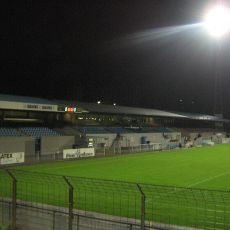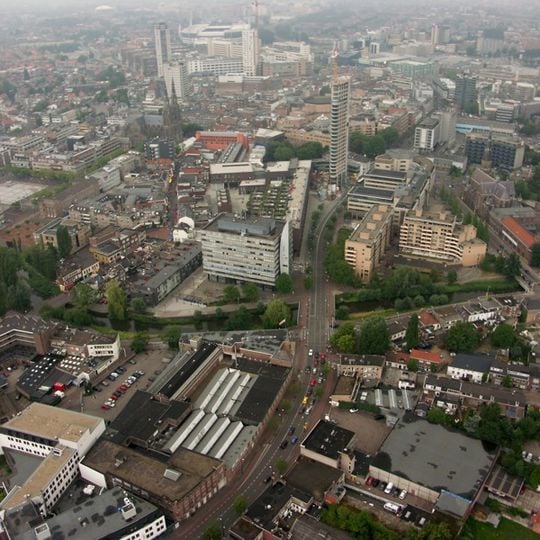
Eindhoven, Technology center in North Brabant, Netherlands
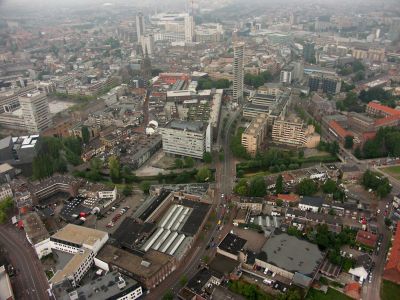
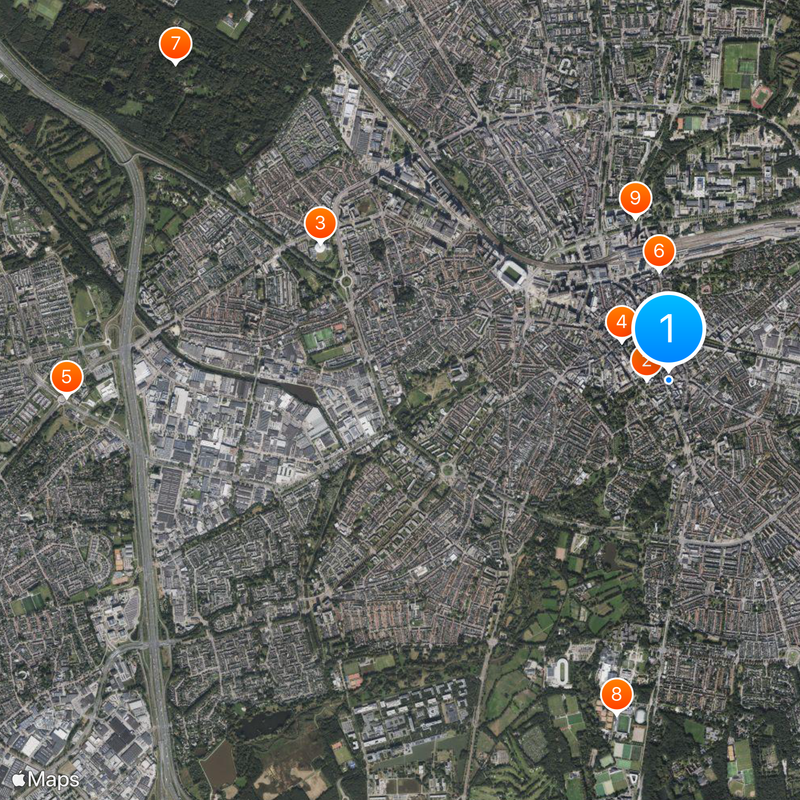
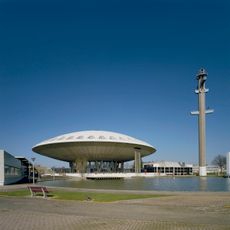
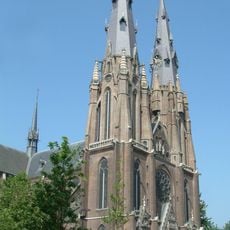
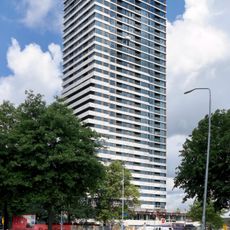
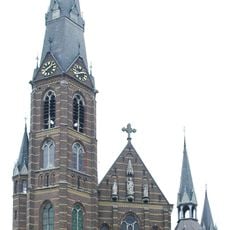
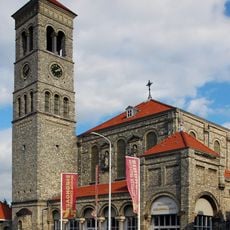
This city in the province of North Brabant sits about 75 miles (120 km) south of Amsterdam where the Dommel and Gender streams meet. The center clusters around the main market square with the St. Catherine's Church, while modern residential neighborhoods and industrial zones extend outward from the older core.
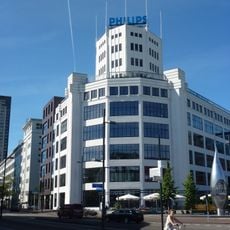
In 1232, Duke Henry I of Brabant granted the settlement town rights, giving it legal independence and commercial privileges. The arrival of the Philips lightbulb factory in 1891 turned the place into an industrial hub that grew rapidly over the following decades.
The city's name refers to the small stream Gender that flows nearby, while daily life centers around the pedestrian shopping streets and outdoor markets where locals gather on weekday mornings. Cafés and restaurants fill the sidewalks in the Stratumseind quarter, creating a relaxed social atmosphere throughout the year.
A walk through the pedestrian center gives a first overview, while cycle paths lead in all directions and make it easy to reach outlying neighborhoods. Many public buildings offer accessible entry, and the main railway station serves as a hub for buses and trains.
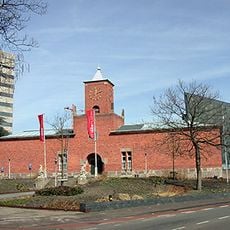
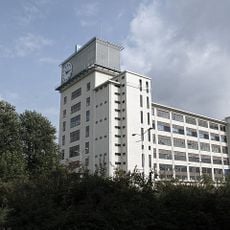
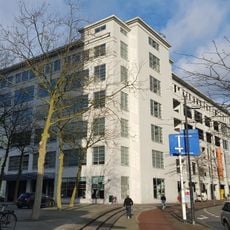
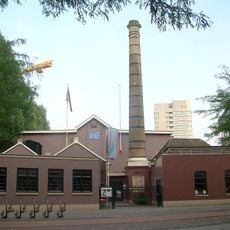
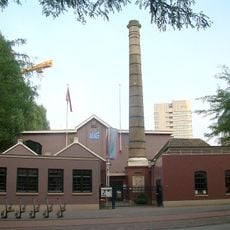
The Philips factories developed the compact cassette here in 1963, a format that changed how people recorded and played music for decades. Today, museums and restored factory buildings recall that industrial past, which remains visible in the cityscape.
The community of curious travelers
AroundUs brings together thousands of curated places, local tips, and hidden gems, enriched daily by 90,828 contributors worldwide.