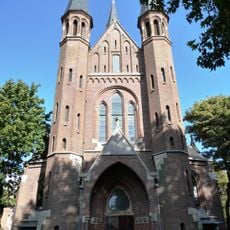
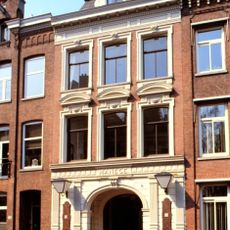
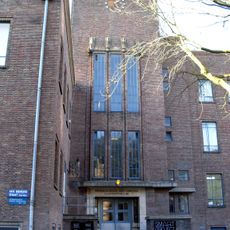
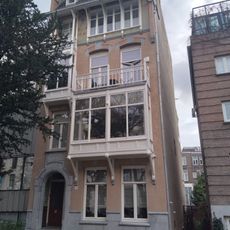
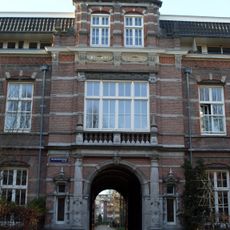
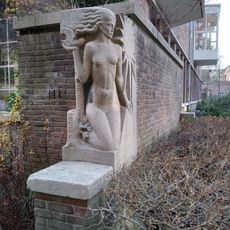
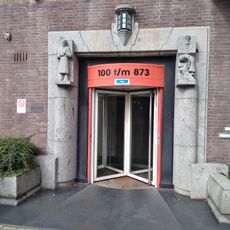
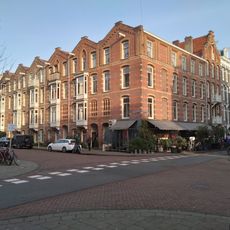
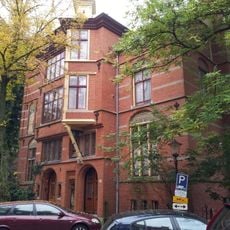
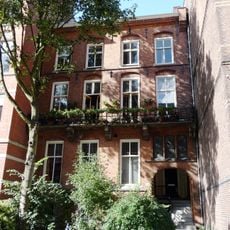
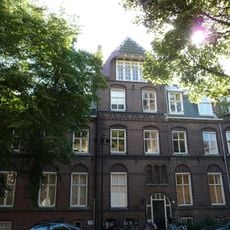
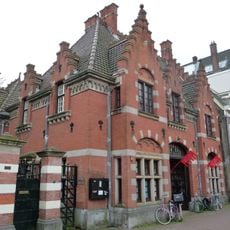
Buitengasthuis, Healthcare facility in Amsterdam, Netherlands.
The Buitengasthuis was a hospital complex situated outside Amsterdam's city walls, featuring a square layout surrounded by canals. An inner courtyard provided space within the structure, and four separate wings accommodated different patient categories.
The facility began construction in 1630 as a response to repeated plague outbreaks that devastated the city and its population. It operated for over two centuries before its patients were transferred to a newer hospital in 1893.
The building was intentionally designed to resemble a mansion rather than a typical hospital, reflecting how people of that era thought about healing and dignity. The four separate sections for different patient groups showed how carefully care and recovery were organized.
The site was situated away from the city, so patients and supplies were delivered mainly via a water pier that provided access. The location required careful navigation, as one had to walk through the square complex to reach the inner areas.
The complex held approximately 340 patients and maintained this capacity for centuries without needing major renovation. Only when an entirely new type of hospital was built did the institution finally leave its original location.
The community of curious travelers
AroundUs brings together thousands of curated places, local tips, and hidden gems, enriched daily by 60,000 contributors worldwide.