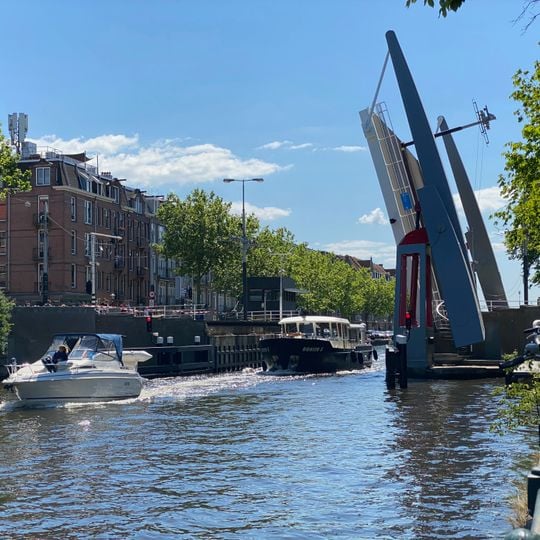
Zeilbrug, bridge in Amsterdam, Netherlands
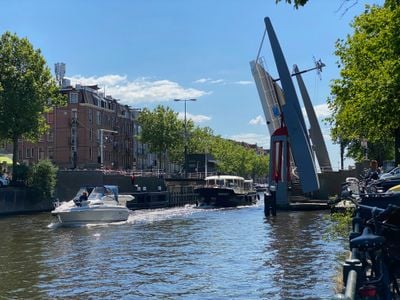
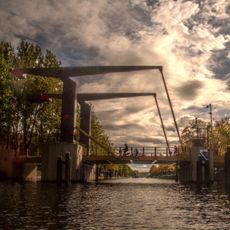
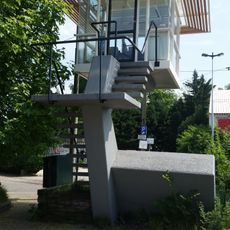
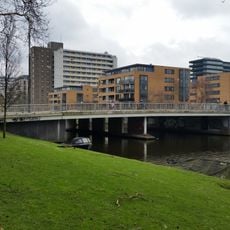
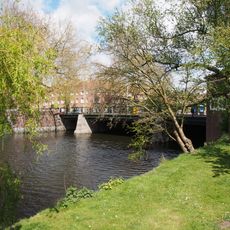
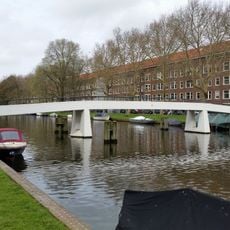
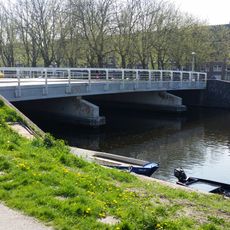
The Zeilbrug is a lifting bridge that crosses the Schinkel in Amsterdam, connecting Zeilstraat to Hoofddorpweg. It features a steel structure that raises hydraulically when boats need to pass underneath, while normally remaining closed for pedestrians, cyclists, and trams to cross.
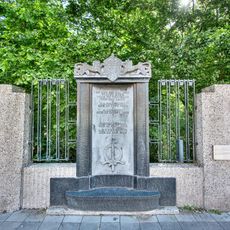
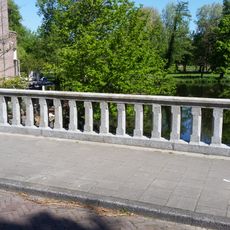
The original bridge was built in the late 1920s as a simple iron swing bridge to support the growing neighborhoods around it. Between 1996 and 1999, it was completely rebuilt with modern hydraulic technology while preserving artistic elements such as Hildo Krop's sculptures and stonework details.
The bridge takes its name from Zeilstraat, the street it connects, and is woven into the daily rhythm of Amsterdam. Residents cross it on foot, by bicycle, or by tram, experiencing a link between past and present as part of their regular movement through the city.
The bridge is easily accessible on foot, by bicycle, or by tram and sits in the Amsterdam-Zuid district with good connectivity to the area. When boats need to pass, brief waiting times may occur, but operations run smoothly and require minimal effort from users.
The bridge features decorative lights designed by Bořek Šípek that cast a soft glow at night, creating a modern contrast with the preserved historical stone elements. Stone carvings on the sides mark the years 1926 and 1999, highlighting the two main building phases of the structure.
The community of curious travelers
AroundUs brings together thousands of curated places, local tips, and hidden gems, enriched daily by 92,952 contributors worldwide.