Van der Lijn-reservaat, Dutch natural area
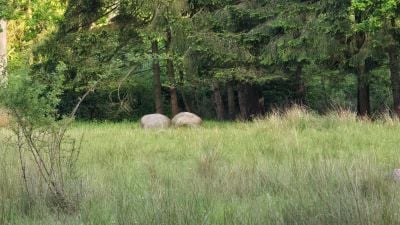
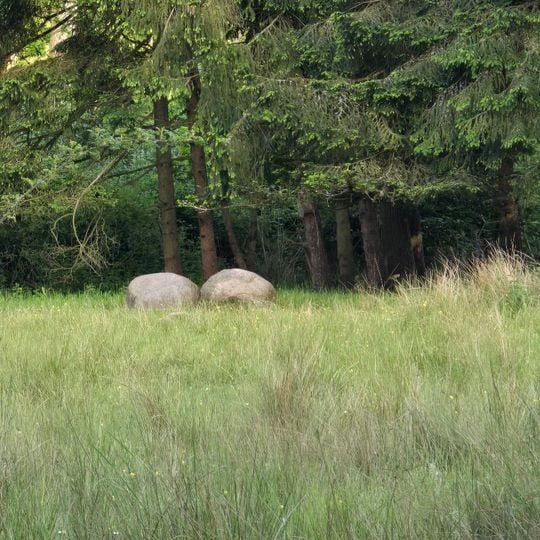
Van der Lijn reserve is a nature area and geological monument near Urk in the Netherlands, composed of boulders and clay layers deposited by glaciers during the last ice age. The terrain features large stones of varying sizes and origins scattered across grass and shrubs, showing the force of ancient glacial movement.
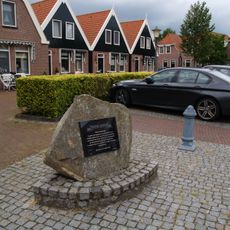
The site was discovered in 1942 following the drainage of Noordoostpolder, when amateur geologist Pieter van der Lijn recognized the boulders and unusual soil layers. The reserve became the nation's first designated geological protection area in 1953, established to preserve evidence of glacial activity.
The reserve is named after amateur geologist Pieter van der Lijn, who discovered and sought to protect the site in 1942. Today it demonstrates how communities value and preserve nature when they recognize its scientific importance.
The reserve is not freely accessible due to its fragile terrain and protected status. Visits are only possible by prior arrangement with guided tours, where experienced guides explain the site and show the various stones and their origins.
The stones here were transported hundreds of kilometers from Scandinavia, and scratches on their surface show where glacial ice scraped across them. Some specimens come from Finland and Russia, illustrating the immense power of glacial movement during the ice age.
The community of curious travelers
AroundUs brings together thousands of curated places, local tips, and hidden gems, enriched daily by 90,754 contributors worldwide.