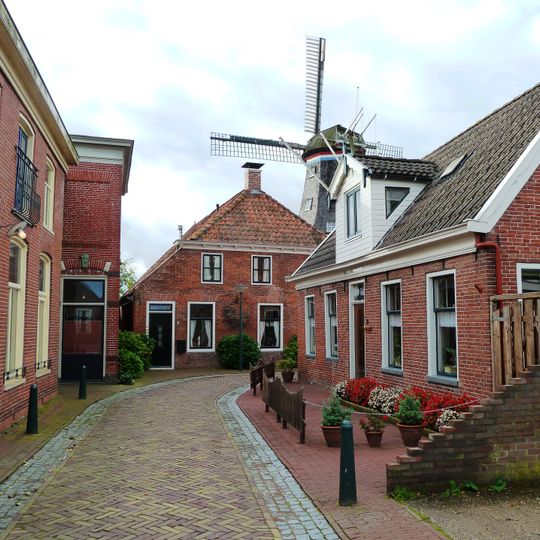
Winsum, village in the Dutch province of Groningen
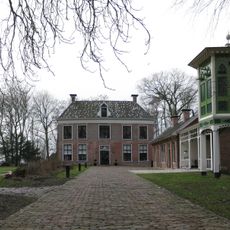
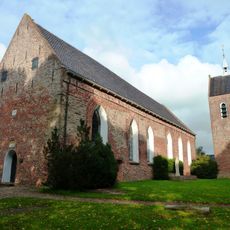
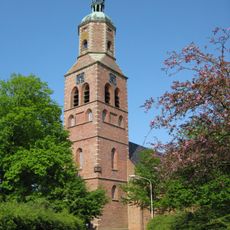
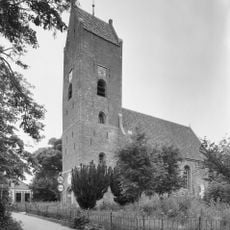
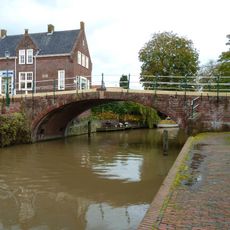
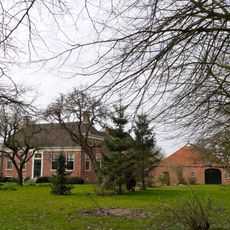
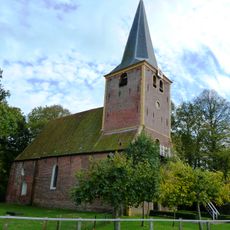
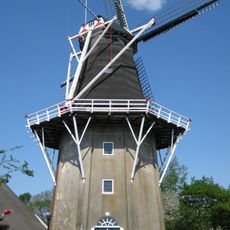
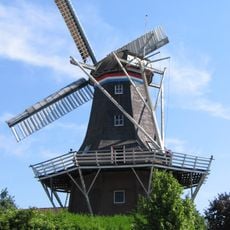
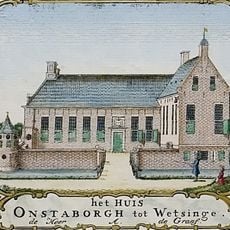
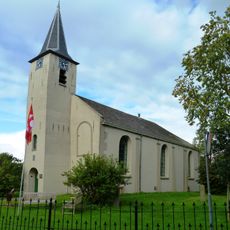
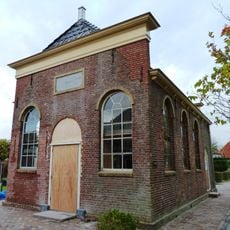
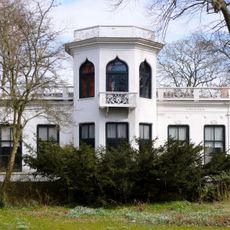
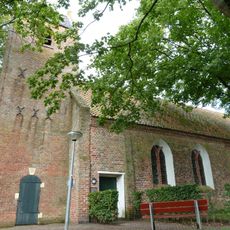
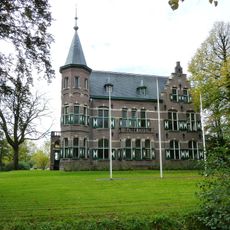
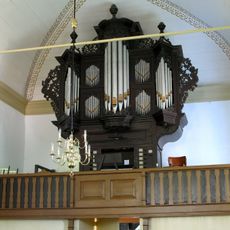
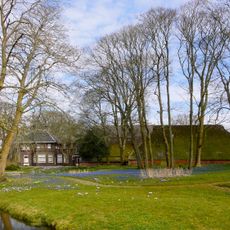
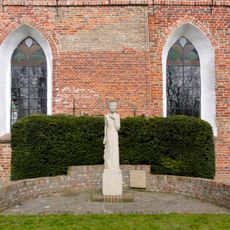
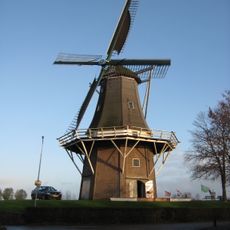
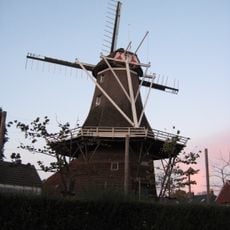
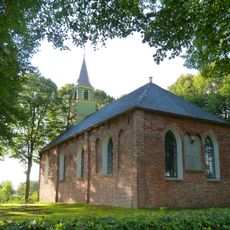
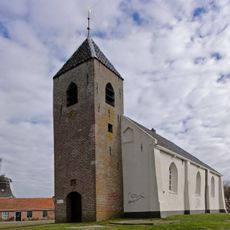
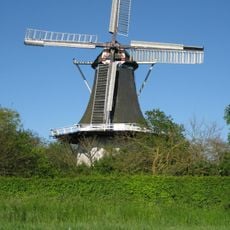
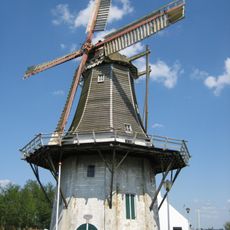
Winsum is a small village in the northern province of Groningen, Netherlands, divided into three sections connected by stone bridges and featuring two working windmills built in the 1800s that still grind grain. The settlement contains a church with a climbable tower, a historic synagogue from 1878, and numerous protected historic houses and farms spread throughout its quiet streets.
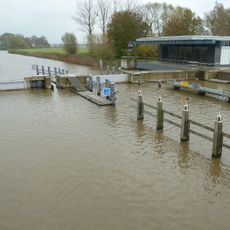
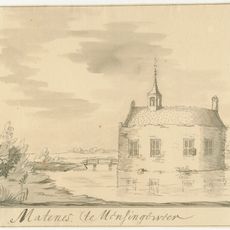
Winsum appears in historical records from 1057 when King Henry IV of Germany granted the village market and minting rights, recognizing its importance as a trading post along the Hunze river. When the river silted up, the village lost its commercial prominence but remained significant to the region, having hosted a Dominican monastery in medieval times.
Locals in Winsum keep stories alive about the old market days, mills, and bridges that shaped their community, gathering regularly through music groups and walking groups that celebrate this shared heritage. These traditions are visible in how residents care for old buildings and speak about their village's past.
The village is best explored on foot or by bicycle, with paths connecting the three districts through peaceful rural routes that pass old mills and churches. Guided tours run on Saturday mornings from central locations, offering insights into the village's layout and the stories behind its historic buildings.
Winsum was recently named the most beautiful village in the Netherlands, earning recognition for its clean streets, quiet character, and friendly residents who actively preserve its heritage. The village sits along the Pieterpad walking route, a long-distance path that crosses multiple provinces and attracts walkers seeking rural landscapes and historic ways.
The community of curious travelers
AroundUs brings together thousands of curated places, local tips, and hidden gems, enriched daily by 92,717 contributors worldwide.