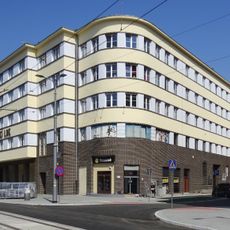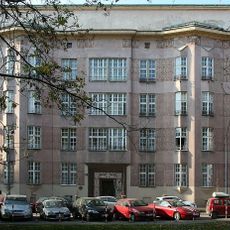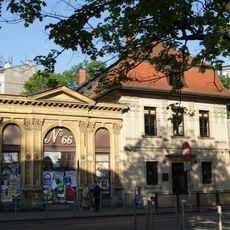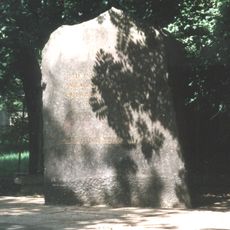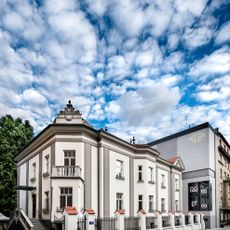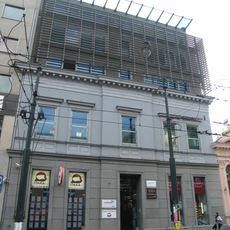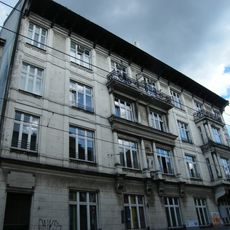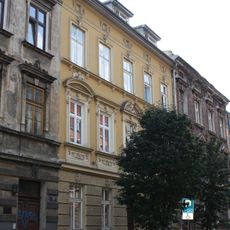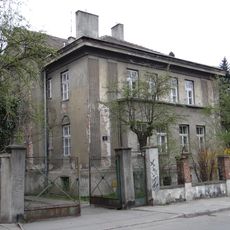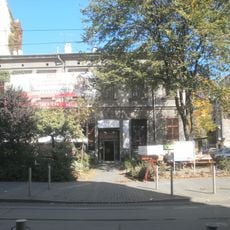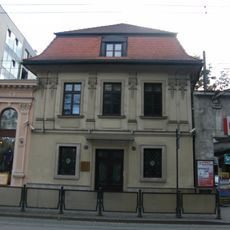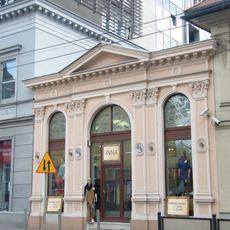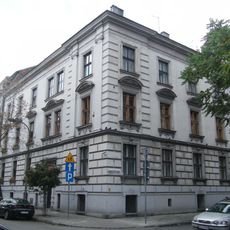
Pomorska, history museum in Kraków, Poland
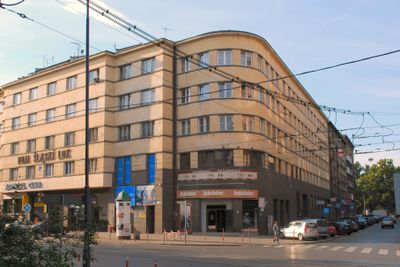
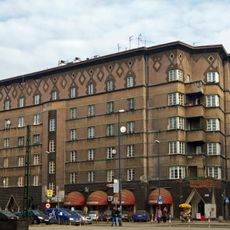
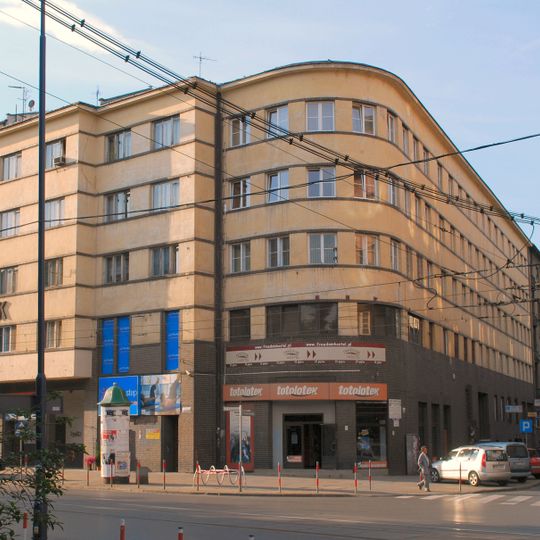
The museum on Pomorska Street uses three floors of the Dom Śląski building and displays exhibition spaces along with original prison cells in the basement. The rooms are arranged so visitors can understand the layout and use during the occupation period.
The building served as a Gestapo headquarters during World War II and played a key role in administering the occupation. After the war, political repression continued under the Stalinist system until the situation shifted in the 1950s.
The place documents how communities lived under foreign powers and what traces they left behind. The exhibition shows everyday objects and personal testimony from different periods of this era.
The museum displays its exhibition spread across multiple levels, so comfortable shoes and some time are needed to explore all the spaces. Access to the lower levels where the cells are located requires navigating through narrow stairs and passages.
The walls of some cells bear inscriptions left by prisoners who were held there, who carved their names or messages. These handwritten marks offer a direct connection to individual people who suffered during the occupation.
The community of curious travelers
AroundUs brings together thousands of curated places, local tips, and hidden gems, enriched daily by 91,949 contributors worldwide.