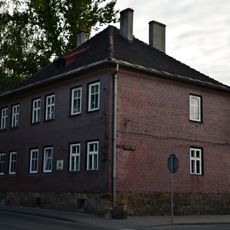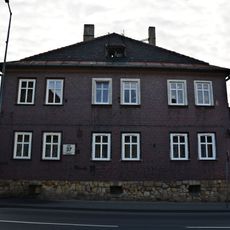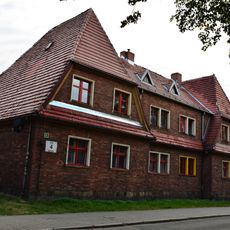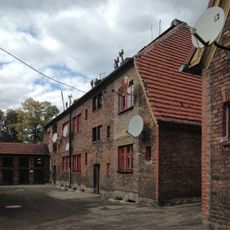
Ruda, Historic district in Ruda Śląska, Poland
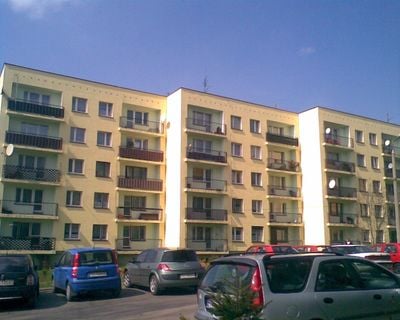
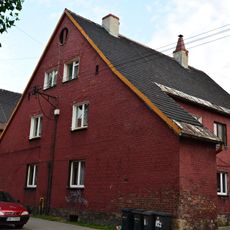
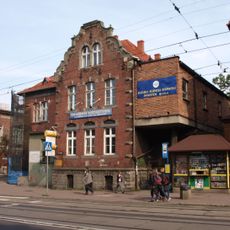
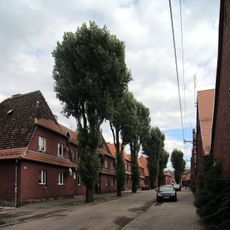
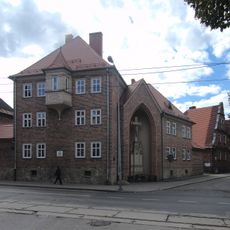
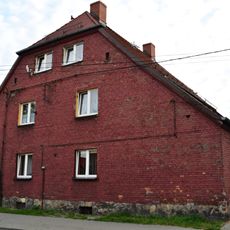
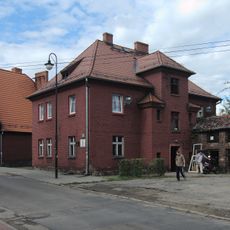
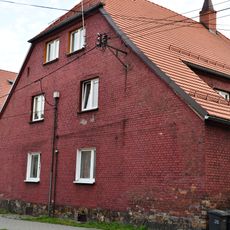
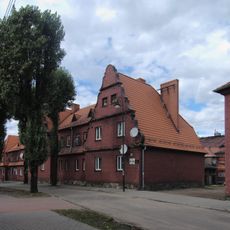
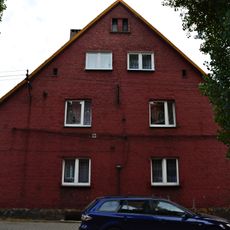
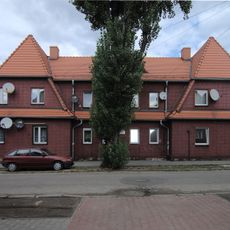
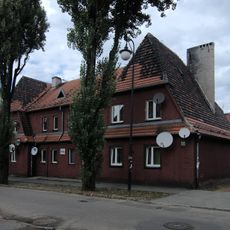
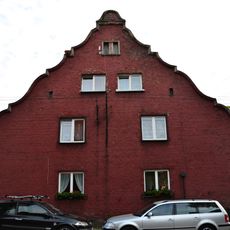
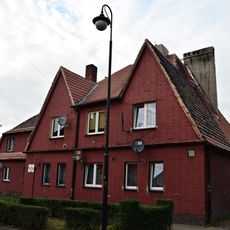
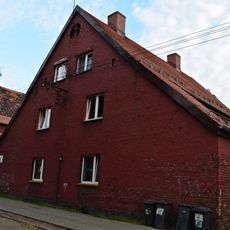
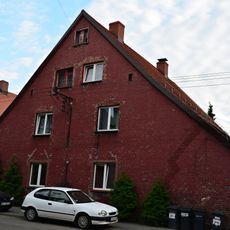
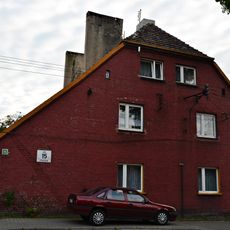
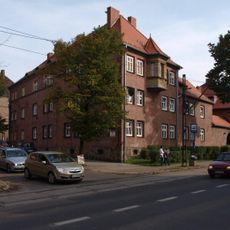
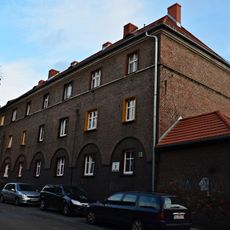
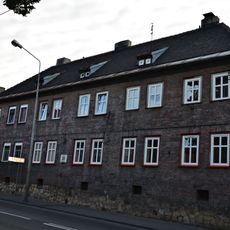
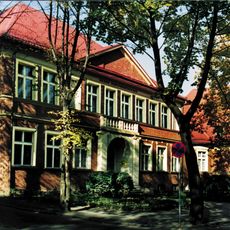
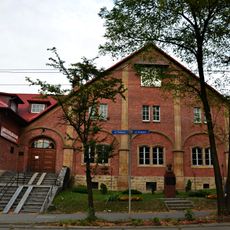
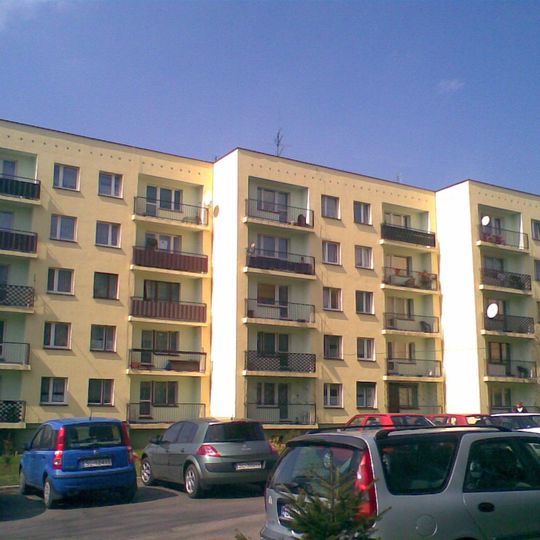
Ruda is a district in the northwestern part of Ruda Śląska, a city in the Upper Silesia region of southern Poland. It combines residential areas built across different periods with open spaces and scattered remnants of former industrial activity.
The area grew around the Carlshütte zinc smelter, founded in 1816, which became one of the largest facilities of its kind in Europe at the time. After World War I, residents voted in the Upper Silesia plebiscite to join Poland rather than remain under German rule.
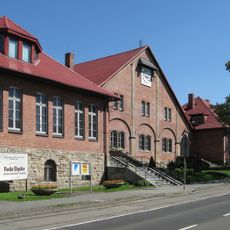
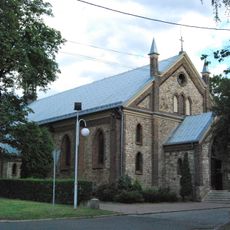
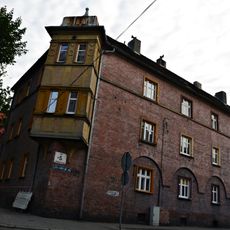
The name Ruda comes from a Slavic word meaning ore, which reflects the area's long history of mining and smelting. Traces of that industrial past are still visible in the architecture and layout of the district today.
The district is easy to reach by train on the Katowice-Gliwice line or by road via the A4 highway. Once there, getting around on foot or by public transport is straightforward, as the main areas are well connected.
In the 1950s, the neighboring districts of Godula, Orzegów, and Chebzie were merged into Ruda, which is why the district has a broader territory than its original settlement. This makes Ruda one of the larger districts in the city today.
The community of curious travelers
AroundUs brings together thousands of curated places, local tips, and hidden gems, enriched daily by 91,805 contributors worldwide.