Bouçã Dam, Arch dam and hydroelectric power station on the Zêzere, Pedrógão Grande, Portugal
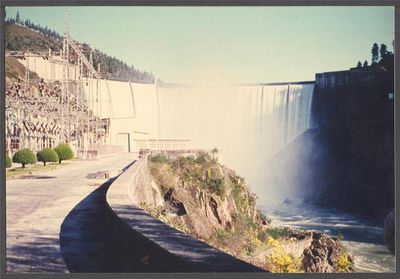
Bouçã Dam is a concrete arch structure that holds back water in the Zêzere River valley for power generation purposes. The facility operates with two turbine units housed within the dam, managed by control systems that regulate water flow through the structure.
The structure was inaugurated in 1955 as part of Portugal's efforts to develop hydroelectric power generation capacity. This period was driven by industrial growth and the need to build more reliable energy sources across the nation.
The dam takes its name from the small settlement of Bouçã beside the Zêzere, in the parish of Graça, Pedrógão Grande. Its reservoir marks the boundary between the districts of Castelo Branco and Leiria, and the plant is run by EDP with a permanent staff of seven. The two Francis turbines spin at 214.3 rpm.
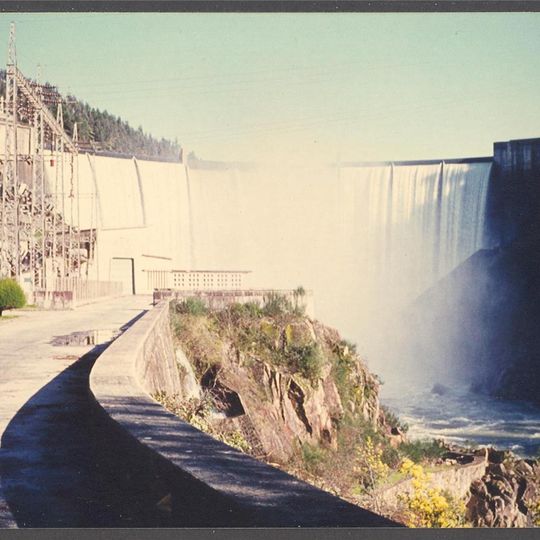
The dam lies on the Zêzere near the hamlet of Bouçã, downstream of Cabril dam and upstream of Castelo de Bode, in Graça parish, Pedrógão Grande. The crest is 175 m long at elevation 181 m, and the uncontrolled central spillway releases up to 2,200 m³/s, so the overflow curtain seen in the photo depends on reservoir level. The powerhouse sits at the dam's right bank.
The reservoir behind the structure experiences varying water levels throughout the year depending on seasonal patterns and energy needs, which creates a constantly changing appearance. These natural fluctuations affect how much of the dam face remains visible at different times.
The community of curious travelers
AroundUs brings together thousands of curated places, local tips, and hidden gems, enriched daily by 93,119 contributors worldwide.