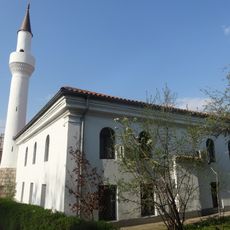
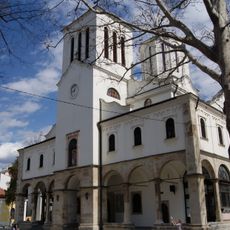
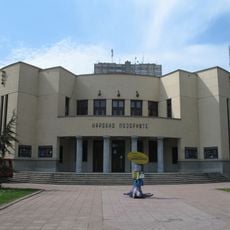
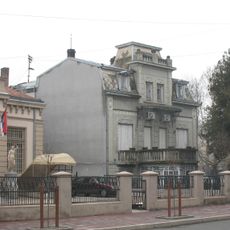
Southern and Eastern Serbia, Statistical region in southeastern Serbia.
Southern and Eastern Serbia is a statistical region in southeastern Serbia comprising nine administrative districts spread across roughly 26,000 square kilometers. The landscape features broad plains, mountain ranges, river valleys, and varying terrain that creates diverse natural conditions throughout the territory.
The region took its current form in 2010 when the National Assembly merged the previously separate southern and eastern administrative areas into one unified territory. This administrative reorganization created a single statistical region for better planning and governance in southeastern Serbia.
Several ethnic groups including Serbs, Albanians, and Roma live side by side in the region, each maintaining distinct traditions and local celebrations that shape daily life. This diversity appears in local customs, food practices, and community gatherings throughout the area.
The region is well-connected by an extensive network of highways and railways to major Serbian cities, with Niš serving as the principal transportation hub for arrivals and connections. Visitors can easily access the territory using road or train routes from various directions.
Several municipalities in the region have experienced major population declines over recent decades, reflecting migration patterns across southeastern Europe. These demographic shifts have shaped the character of smaller settlements and influenced how communities use their spaces today.
The community of curious travelers
AroundUs brings together thousands of curated places, local tips, and hidden gems, enriched daily by 90,777 contributors worldwide.