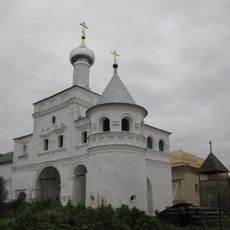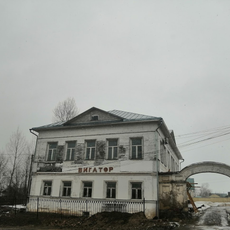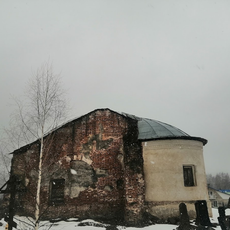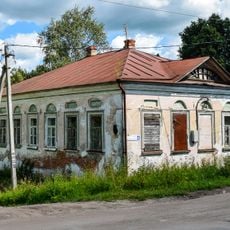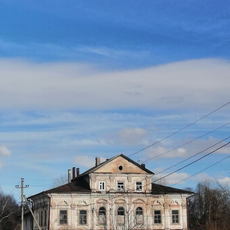
Klobukov Convent, Orthodox monastery in Kashin, Russia
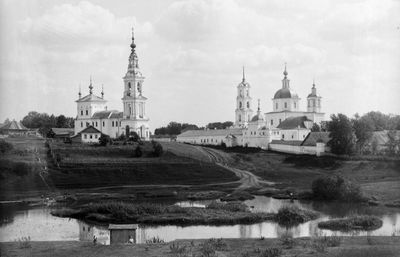
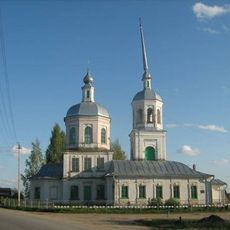
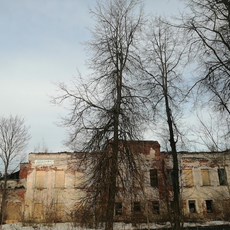
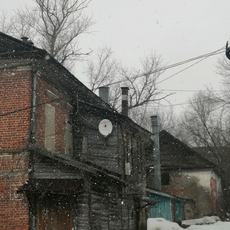
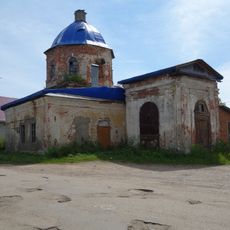
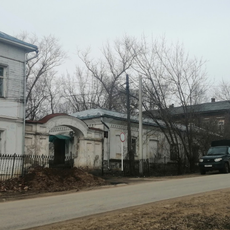
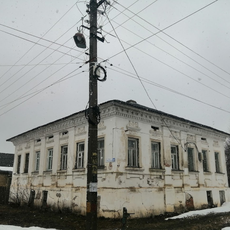
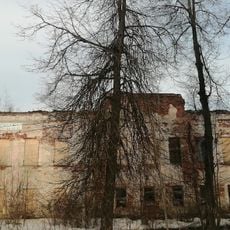
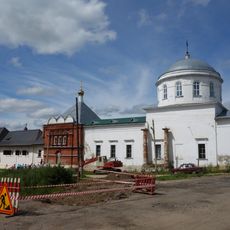
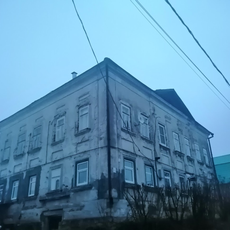
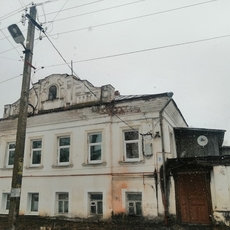
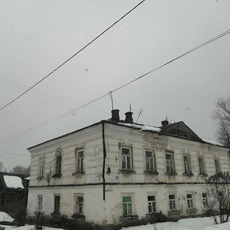
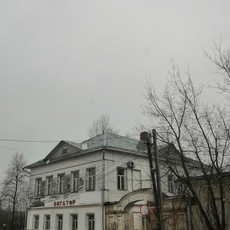
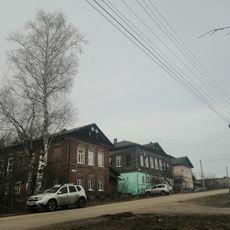
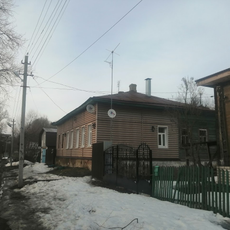
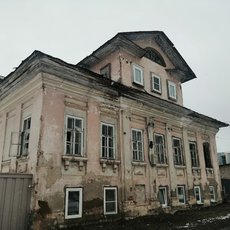
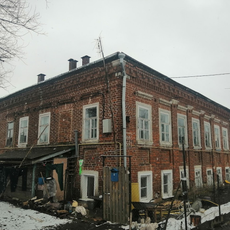
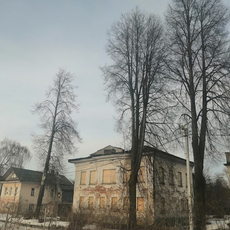
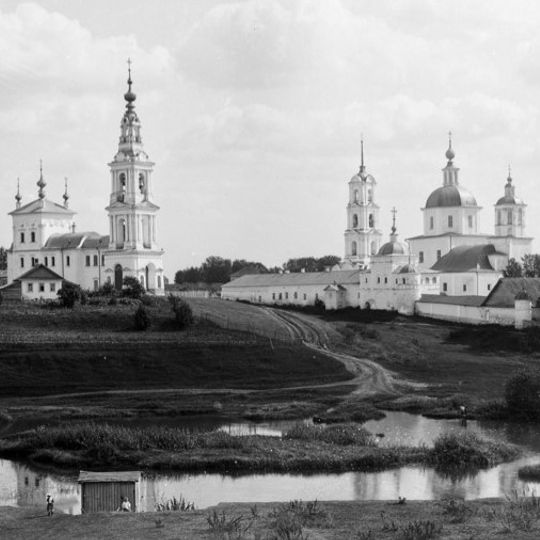
Klobukov Convent is a monastery complex in Kashin with stone walls, domed buildings, and traditional Orthodox architectural features that reflect centuries of religious practice. The layout of structures and courtyards creates a working community space where monastic life continues today.
Founded by tradition in the mid-14th century, the monastery is documented as existing by 1420, when Matfey Kozhin took monastic vows here before becoming Saint Macarius of Kalyazin. Its first church was dedicated to Saint Nicholas of Myra. From 1764 it was a supernumerary cenobitic monastery. Closed in the 1920s, it reopened on 18 July 1994 and became a convent by Synod decision on 17 July 2001.
The second name, Klobukov, comes from a legend about Archbishop John of Novgorod, who in the 12th century dropped his klobuk (monastic headgear) while flying over Kashin; it was found and the monastery was built on the spot. The first church was dedicated to St Nicholas of Myra, hence the name Nikolaevsky. Before the revolution the monastery kept a revered icon of St Nicholas of Mozhaisk (1582, restored 1718) and a copy of the Mother of God 'Odigitria'.
The convent stands on the elevated left bank of the Kashinka River, where the Vonzha stream flows into it. The grounds are reached from the town centre of Kashin; the monastery's metochion is the Church of Peter and Paul in Kashin. Visitors should dress modestly for Orthodox churches and keep to the paths around the working convent.
The name Klobukov comes from a legend about Archbishop John of Novgorod, who in the 12th century flew over Kashin on a demon and dropped his klobuk, the monastic headgear, which was later found on this spot. The convent's first church was dedicated to St Nicholas of Myra, hence its other name, Nikolaevsky.
The community of curious travelers
AroundUs brings together thousands of curated places, local tips, and hidden gems, enriched daily by 94,693 contributors worldwide.