Museum of water, Technology museum in Tagansky District, Moscow, Russia
The Museum of Water displays the systems that supply Moscow with drinking water and treat wastewater. Inside are exhibits, models, and explanations showing how these large technical networks operate.
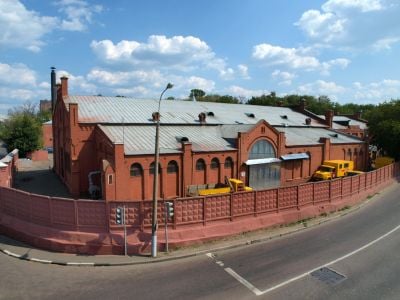
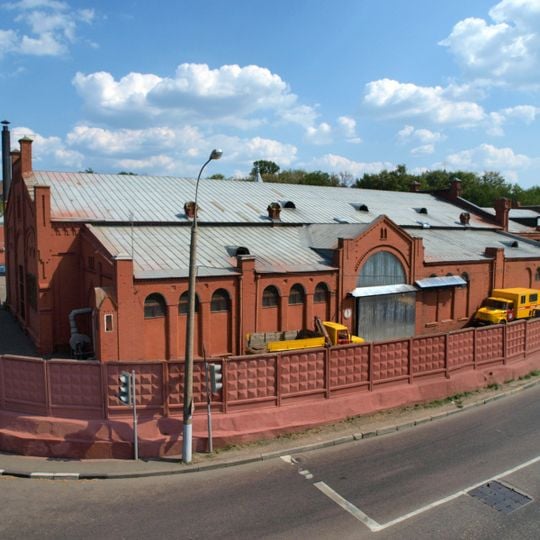
The museum opened on 15 June 1993, a century after the First Russian Water Supply Congress in Moscow. It occupies the site of the city's first sewage pumping station, commissioned in 1898 to serve 219 households. The station's buildings were designed by Maxim Geppener in the brick style of late 19th-century industrial architecture; the museum itself is housed in a structure built in 1947–1948.
The museum occupies the first sewage pumping station of Moscow, which began operating in 1898 and served 219 households. Its red-brick buildings were designed by Maxim Geppener in the industrial brick style of the late 19th century. The exhibition includes a 2014 display of sewer manhole covers and a virtual guide for self-led visits.
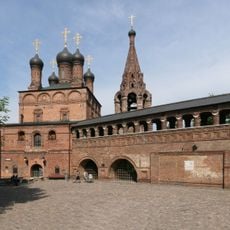
The museum stands on the grounds of Moscow's first sewage pumping station near Krutitskoye Podvorye, in the Tagansky District. The nearest metro is Proletarskaya; from there it is a short walk. The exhibition is on two floors, with archival material on the ground floor and interactive models above.
Some exhibit areas feature working models of water treatment plants where visitors can watch actual purification processes happen in real time. This makes understanding complex technical processes immediately tangible.
The community of curious travelers
AroundUs brings together thousands of curated places, local tips, and hidden gems, enriched daily by 94,457 contributors worldwide.