Синицинский бор, Natural monument in Tyumen Oblast, Russia.
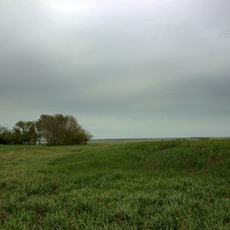
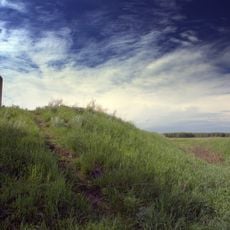
Sinitsynsky Bor is a protected natural area in Tyumen Oblast comprising three distinct sections totaling approximately 1,100 hectares. The landscape consists of pine forests interspersed with diverse grasslands characteristic of the Western Siberian region.
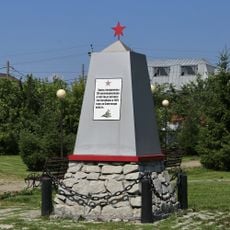
The forest takes its name from the village of Sinitsyna, first mentioned in 1747; until the mid-20th century it was called Detlinsky after the village's unofficial name Detli. In spring 1921, 300 executed participants of the West Siberian peasant uprising from Novotravnoye were buried here. During World War II, the 229th and 384th rifle divisions were formed at a pioneer camp in the forest. It became a regional nature monument in 1968, and 30 years later the Tyumen Oblast administration approved its passport and protection regime.
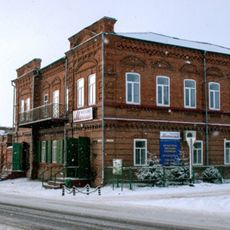
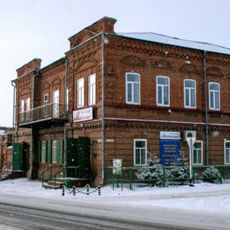
The forest is named after the village of Sinitsyna, first mentioned in 1747 and named for its first settlers; until the mid-20th century the forest was called Detlinsky after the village's unofficial name, Detli. The Ishim City Museum of History and Local Lore has laid out an ecological-adventure route, "The Green Necklace of Ishim," through the bor.
Access to the area is provided through marked trails near Sinitsyna village, with guided tours available through the Ishim City Historical Museum. Wearing sturdy footwear is recommended to handle the varying ground conditions found throughout the forest.
On the stretch beside the Ishim River, well-preserved mammoth remains have repeatedly been found, not mammoth teeth. The same bank holds burials of the Andronovo civilization and the Sargat hillfort nicknamed "Swallow's Nest", in the southern part of the Mergen archaeological district.
The community of curious travelers
AroundUs brings together thousands of curated places, local tips, and hidden gems, enriched daily by 93,777 contributors worldwide.