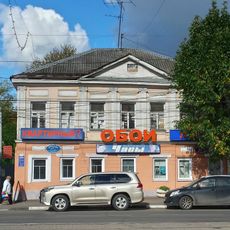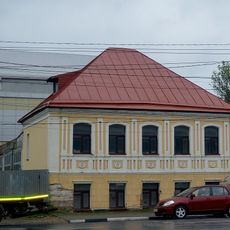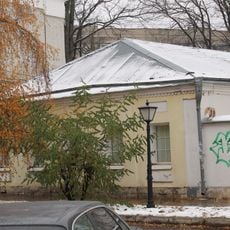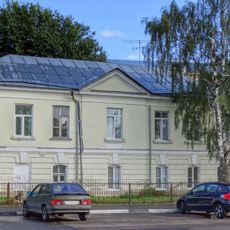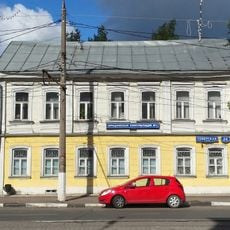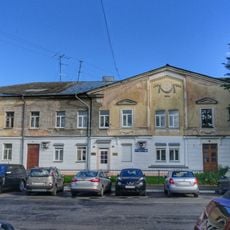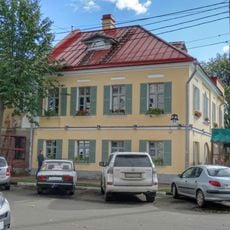
Park "Voksal", Protected park in Tver, Russia.
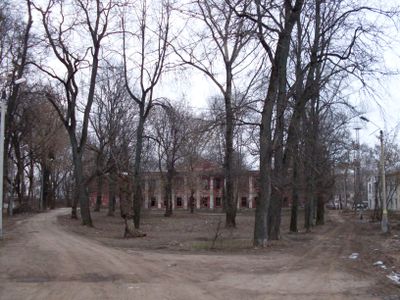
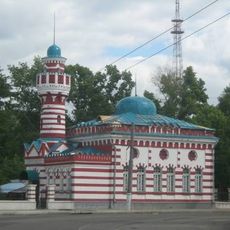
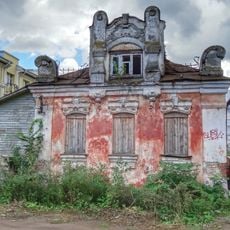
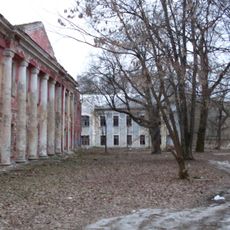
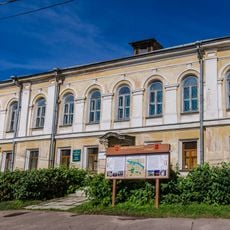
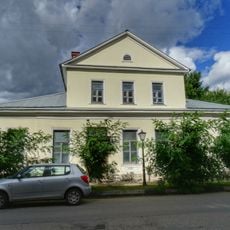
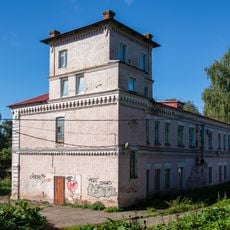
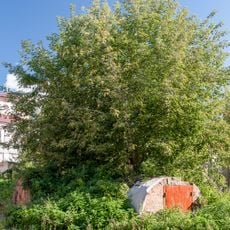
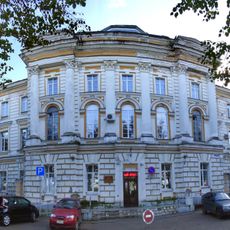
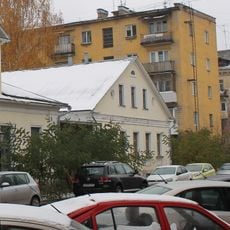
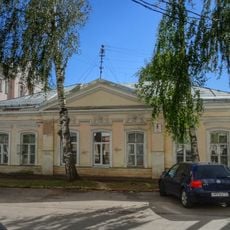
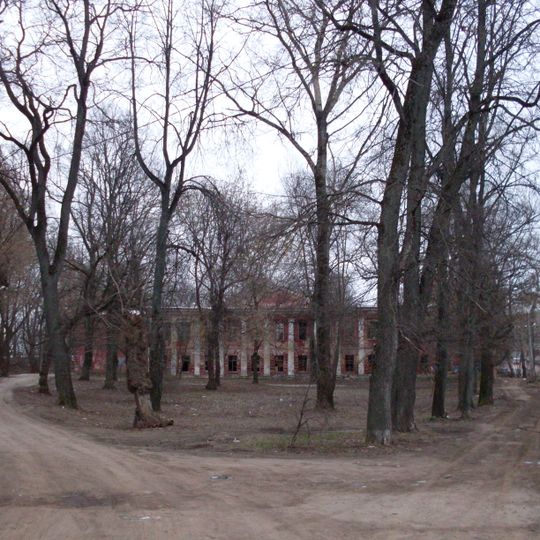
Park Voksal lies between Vokzalnaya Street and Smolensky Lane, next to the Tver Mosque and the Chernobyl Heroes Square. Its grounds hold a ruined 18th-century hospital building and an oak tree over three hundred years old.
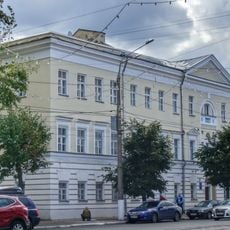
The park was laid out in 1776 by order of Count Jacob Sievers, then governor of Tver and Novgorod. In 1810 it was rebuilt, probably to a design by Carlo Rossi, and a ball attended by Emperor Alexander I was held there, with the garden illuminated and fireworks launched from the opposite bank of the Volga. Between 1779 and 1785 Friedrich Stengel designed a hospital building in the park; rebuilt as a theatre in 1817–1818, it stood abandoned until a provincial hospital opened in it in 1867.
The name comes from Vauxhall, the London pleasure garden where music played; in old Russian a "voksal" meant an entertainment park with music. Russia's first voksal opened in Moscow in 1774 under Melchior Grot. Tver's park kept the name, and Vokzalnaya Street was named after it.
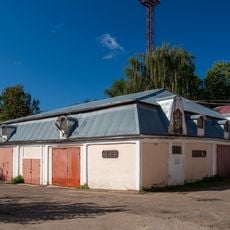
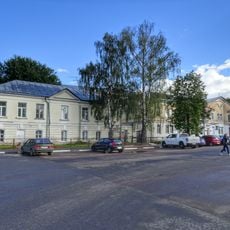
The park lies between Vokzalnaya Street, which takes its name from it, and Smolensky Lane, beside the Tver mosque and the Chernobyl Heroes square. Most 18th- and 19th-century buildings on the grounds, including the hospital, stand abandoned and dilapidated, so keep to the paths and do not enter the ruins.
The word "voksal" once meant an entertainment park with obligatory music, after Vauxhall near London; Russia's first opened in Moscow in 1774 under entrepreneur Melchior Groti. Tver's park, laid out in 1776 by Governor Jacob Sievers, kept the name, and among its trees stands an oak over three hundred years old.
The community of curious travelers
AroundUs brings together thousands of curated places, local tips, and hidden gems, enriched daily by 94,835 contributors worldwide.