Okhotsk-Manchurian taiga, ecoregion in Russian Far East, Russia
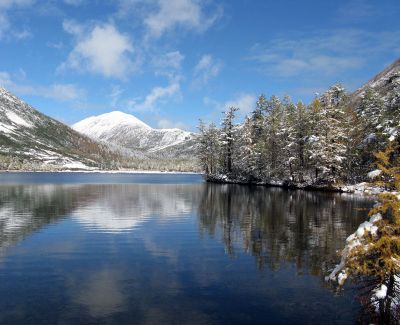
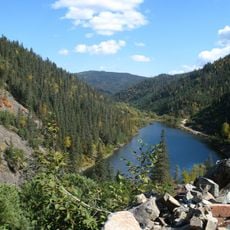
The Okhotsk-Manchurian taiga is a large ecoregion in the Russian Far East, stretching across the basin of the Amur River and the slopes of the Sikhote-Alin mountains. It is covered mainly by dark coniferous forests of spruce and fir, with patches of pine and birch, and is home to species such as the Amur tiger and the Himalayan black bear.
The taiga took its current shape after the last ice age, when the climate warmed and coniferous forests spread across the region. In the 20th century, large areas were logged, but recent conservation efforts have helped protect parts of the ecoregion.
The taiga is central to the traditions of indigenous peoples such as the Nanai and Udege, who have long relied on its resources for hunting and gathering. Today, visitors may see their crafts and hear stories that reflect a deep connection to the forest.
Visitors can explore the taiga through guided tours from regional hubs like Khabarovsk or Vladivostok, but access is limited and requires planning. The best time to visit is late spring to early autumn, when trails are open and wildlife is active, though weather can change quickly.
The taiga is one of the few places where the Amur tiger still lives in the wild, and its population is slowly recovering thanks to anti-poaching patrols. Visitors might also spot the rare Manchurian wapiti, a large deer that is adapted to the snowy winters.
The community of curious travelers
AroundUs brings together thousands of curated places, local tips, and hidden gems, enriched daily by 94,559 contributors worldwide.