Coverham Abbey, Premonstratensian monastery ruins in Coverham, England
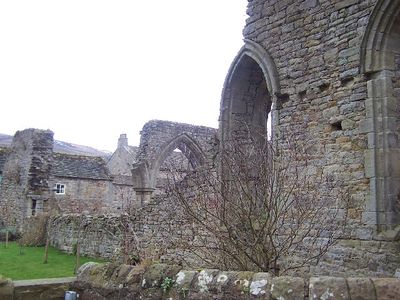
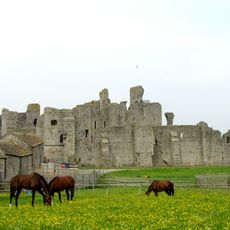
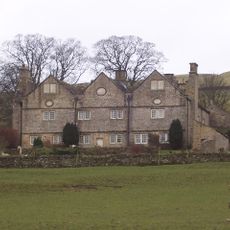
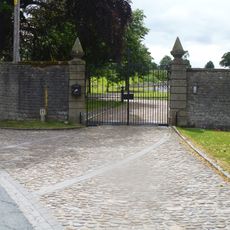
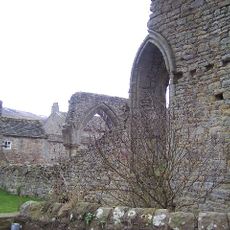
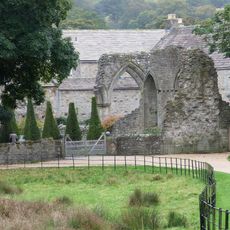
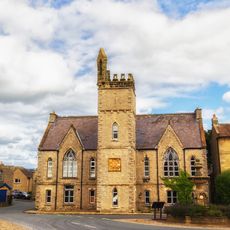
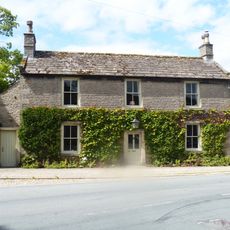
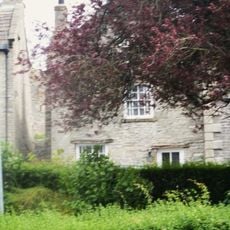
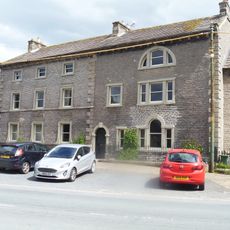
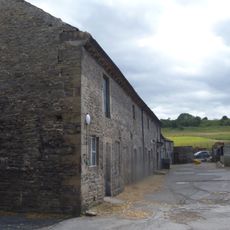
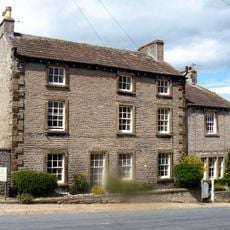
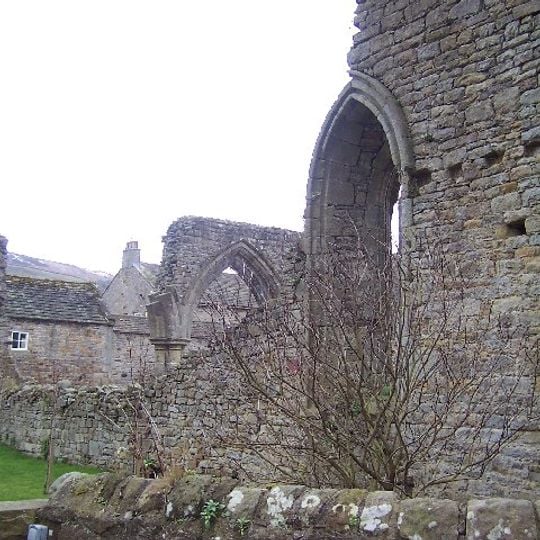
Coverham Abbey is a Premonstratensian monastery in ruins located in Coverham, England, with surviving stone archways, flanking buildings with slate roofs, and sections incorporated into residential houses. The remains are visible from the Holy Trinity Church yard, though the site itself sits on private land and is not open to public access.
The monastery was relocated from Swainby to Coverham in 1202 when Ranulph FitzRobert moved his mother Helewise's remains to the chapter house. Between 1314 and 1318, Scottish raids caused severe damage to the site, which then underwent complete reconstruction finishing by 1350.
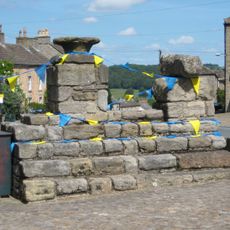
Two medieval stone effigies of knights stand against the garden wall of Coverham Abbey House, showing the artistic craftsmanship of that period. These figures remain visible today and serve as reminders of the important people connected to the monastery.
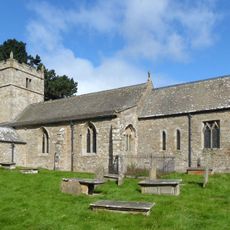
The remains are visible from the Holy Trinity Church yard, offering a good viewing perspective without needing to access the private grounds. Wear comfortable shoes as the churchyard can be uneven, and views of the old structures are best from several different positions around the yard.
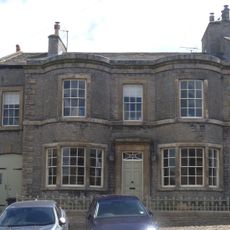
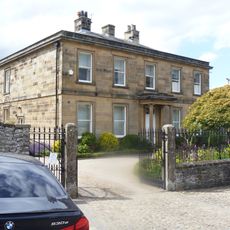
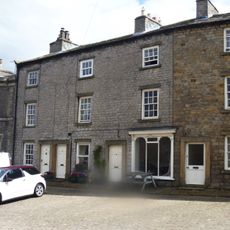
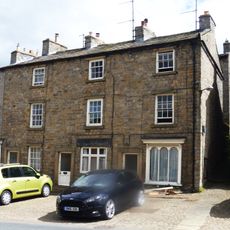
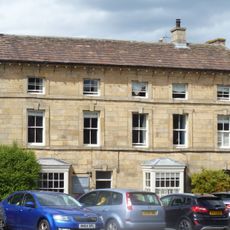
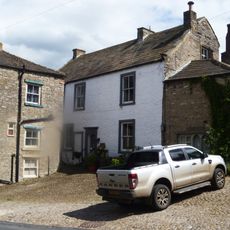
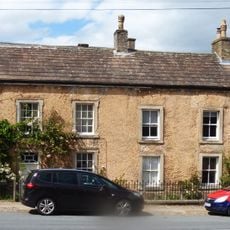
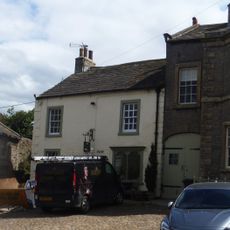
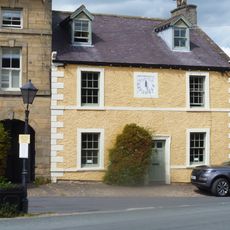
Stones from the abbey were partially reused in nearby residential houses after its dissolution in the 16th century, meaning parts of the medieval structure still exist today within private house walls. This shows how the local community practically repurposed the ruins rather than abandoning them.
The community of curious travelers
AroundUs brings together thousands of curated places, local tips, and hidden gems, enriched daily by 92,237 contributors worldwide.