Middlesbrough, Industrial port city in North Yorkshire, England
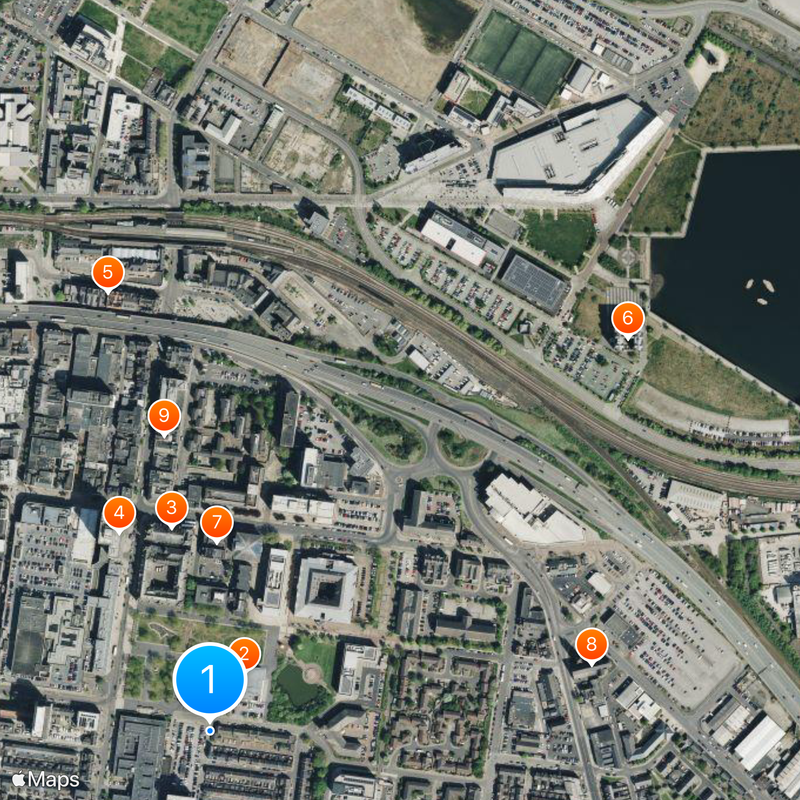
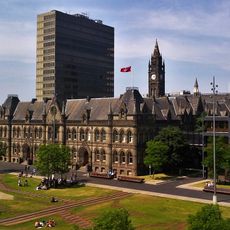
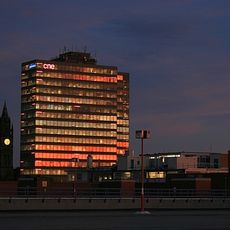
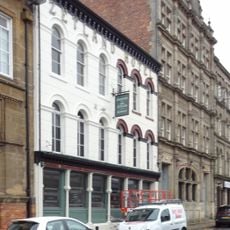
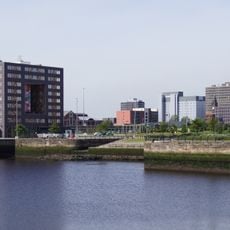
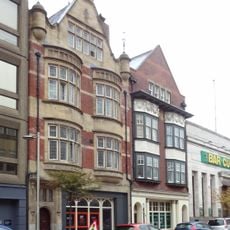
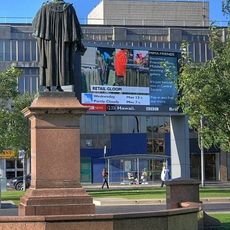
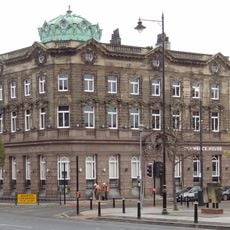
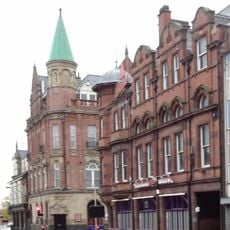
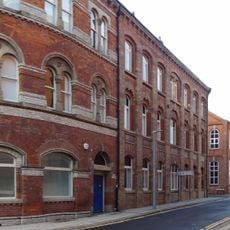
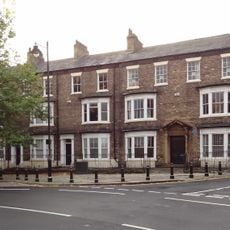
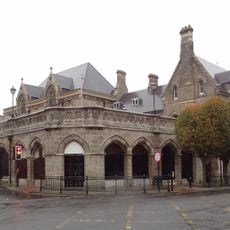
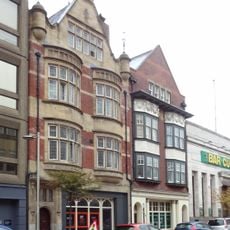
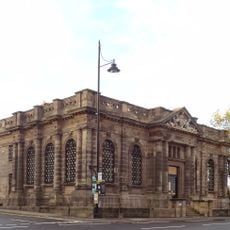
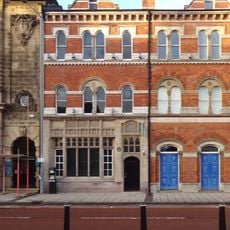
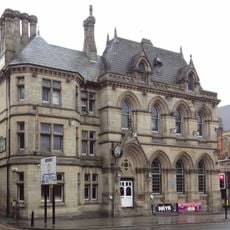
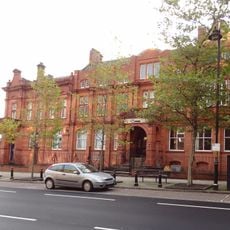
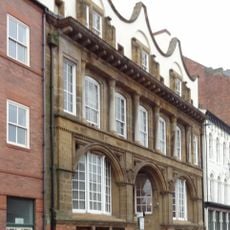
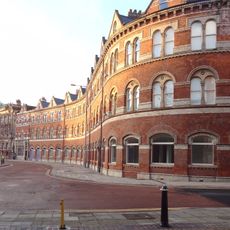
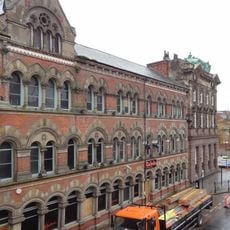
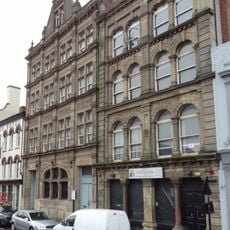
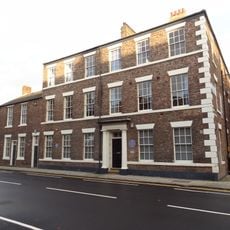
Middlesbrough sits on the south bank of the River Tees and spreads across an urban area with residential neighborhoods, shopping streets, industrial sites, and a compact center where historic buildings stand alongside newer constructions. The riverside walkway runs along the water, while parks and green spaces break up the built environment between different districts.
The settlement grew rapidly from a small farming hamlet into an industrial center after the railway arrived in 1830, enabling the transport of coal and iron across the region. Steelworks and shipyards shaped the town throughout the 19th and early 20th centuries, before economic shifts in later decades transformed the local industry.
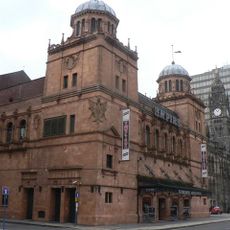
Football supporters fill the pubs around Albert Road on match days, often arriving hours before kickoff to meet friends and share rituals passed down through families. The town square hosts a weekly market where locals gather for coffee and conversation, while the cultural center organizes music nights and theater performances attended by people of all ages.
Rail services from the main station reach Newcastle, York, and Leeds in under two hours, while local buses connect the center with surrounding neighborhoods throughout the day. Most landmarks and shops lie within walking distance in the town center, and riverside paths offer alternative routes between different areas.
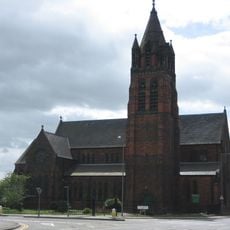
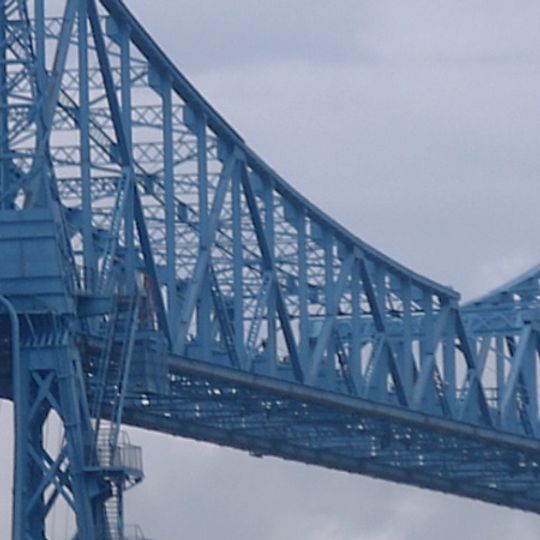
A transporter bridge from 1911 carries vehicles across the river in a suspended gondola and remains one of the few working examples of this type worldwide. The chapel of Saint Cuthbert in the town center features stained glass windows by Morris and Company, creating a remarkable play of light in a small space.
The community of curious travelers
AroundUs brings together thousands of curated places, local tips, and hidden gems, enriched daily by 90,966 contributors worldwide.