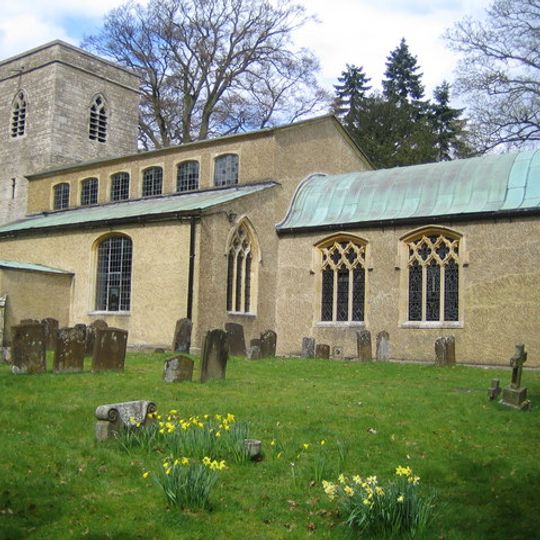
Stowe, civil parish and former village in Buckinghamshire, England, UK
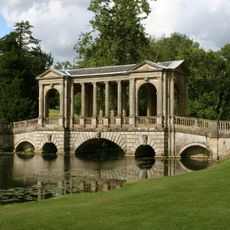
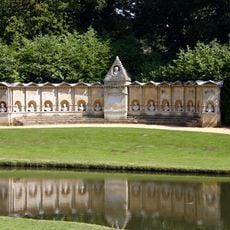
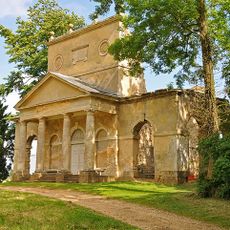
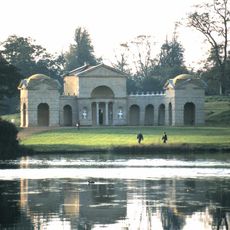
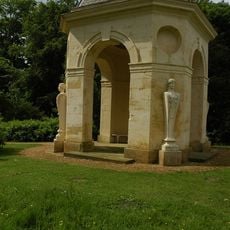
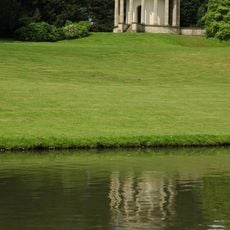
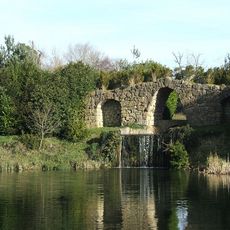
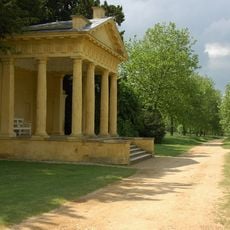
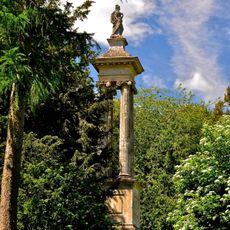
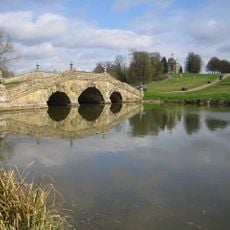
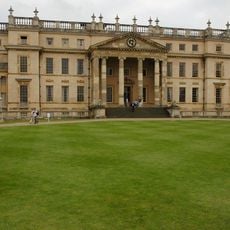
Stowe is an abandoned village in Buckinghamshire now visible primarily as an archaeological landscape where Roman finds, medieval trackways, and settlement remains reveal the long history of the place. The land was transformed in the 1700s into a large garden estate containing lakes, temples, and tree-lined pathways, now managed by the National Trust.
The place was settled in Roman times, as evidenced by pottery and tile finds, and had multiple villages in medieval times, including Stowe, Boycott, Lamport, and Dadford. In the 1700s, these villages were dismantled to make space for the large gardens, which later became a major tourist destination.
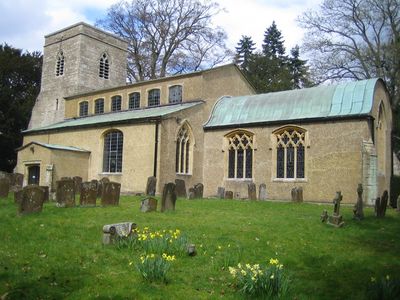
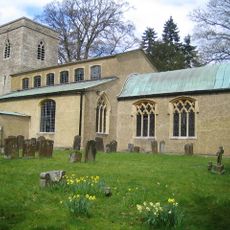
The name comes from the medieval village that once occupied this land before being relocated in the 1700s to make room for the gardens. The parish church dating to the 1300s remains as a visible link to the old community and stands within the garden grounds.
The best way to explore the site is on foot using marked pathways through the gardens and across the old village earthworks, where ridges and depressions from abandoned settlements are visible. The church is accessible, and information boards explain the archaeological features and the different phases of garden development.
The earthworks of the medieval villages are particularly visible from above, showing precise street patterns and settlement boundaries that have remained undisturbed for centuries. These archaeological remains offer a rare unaltered view of how a medieval village was actually laid out.
The community of curious travelers
AroundUs brings together thousands of curated places, local tips, and hidden gems, enriched daily by 91,989 contributors worldwide.