Halifax, Parliamentary constituency in the United Kingdom, 1918 onwards
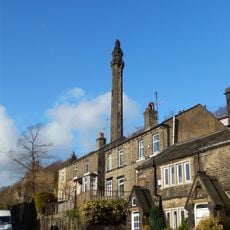
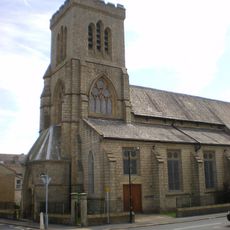
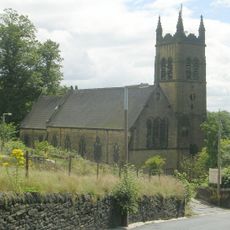
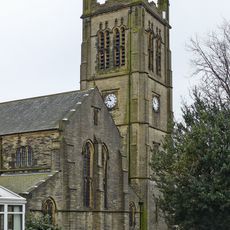
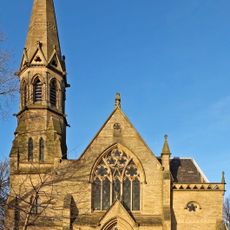
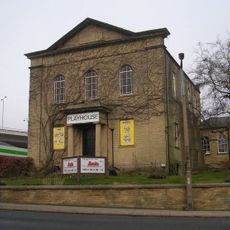
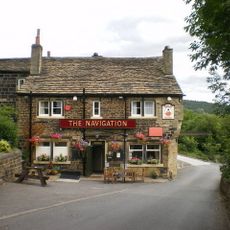
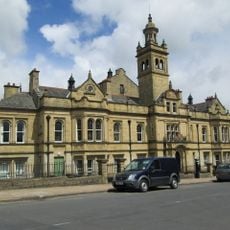
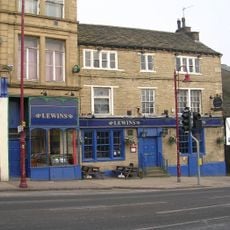
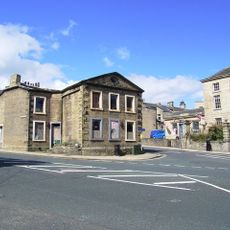
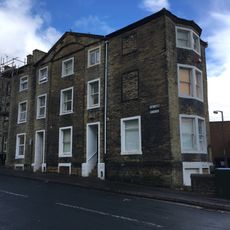
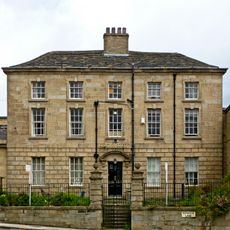
Halifax is a House of Commons constituency in Yorkshire and the Humber covering a town with significant industrial heritage. The area contains a mix of historic mill buildings, residential neighborhoods, and a central market square where shops, cafes, and community spaces converge.
Halifax began its growth in the 15th century when wool production started and the town became a textile center. By the 19th century, major factory complexes like Dean Clough emerged, and it briefly operated as the world's largest carpet factory, driving the region's economic power.
The name Halifax comes from Old English meaning herb enclosure, reflecting its early rural origins before it became a center of manufacture. Today the town is home to people of various backgrounds who gather at local markets and community events that keep traditions alive.
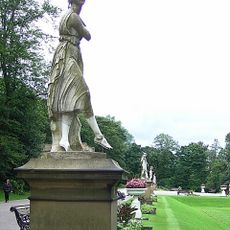
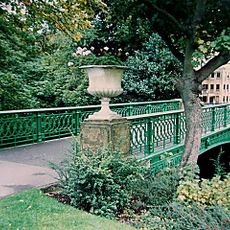
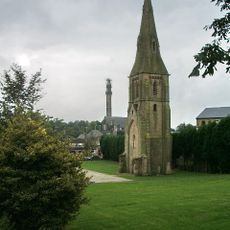
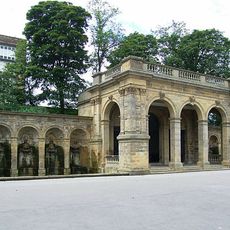
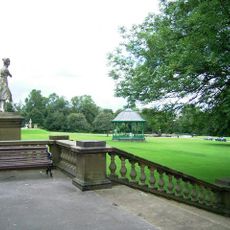
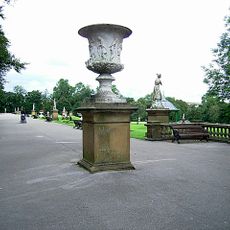
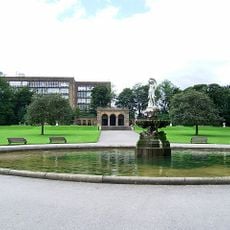
The area is walkable, with the market square as a central reference point and historic buildings scattered throughout. Visitors find cafes and shops in the center, nearby parks for relaxation, and the town is easily reached from the railway station.
The old Gibbet Law permitted the town to execute thieves on a hill outside the settlement on market days, with the last execution in 1650. This unusual historical rule reveals how harsh justice was in earlier times and remains a striking part of the town's past.
The community of curious travelers
AroundUs brings together thousands of curated places, local tips, and hidden gems, enriched daily by 92,750 contributors worldwide.