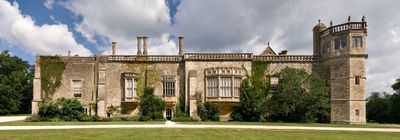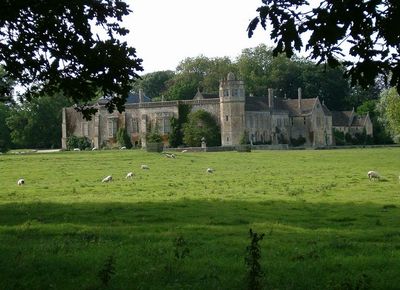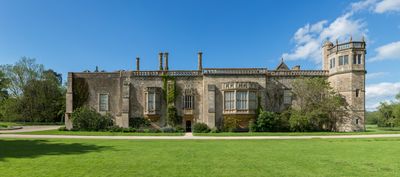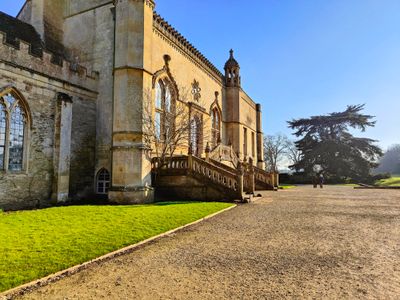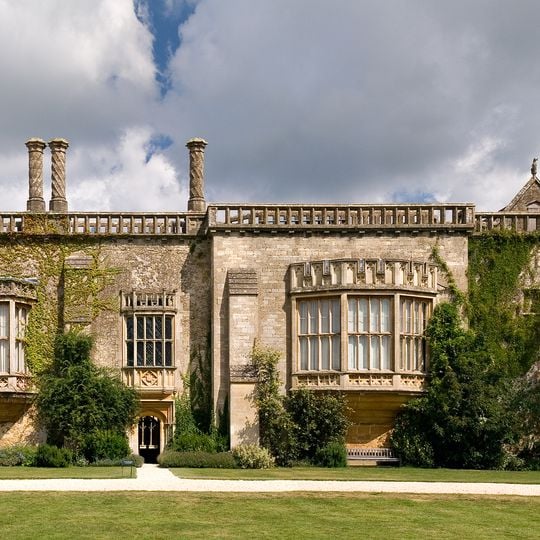
Lacock Abbey, 13th-century abbey and museum in Lacock, England
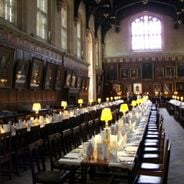
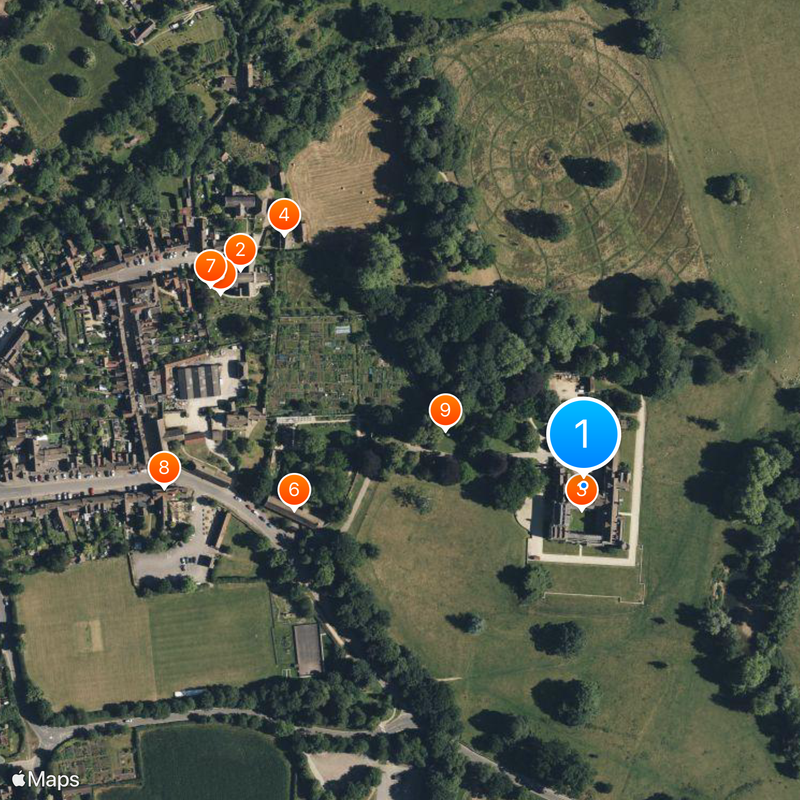
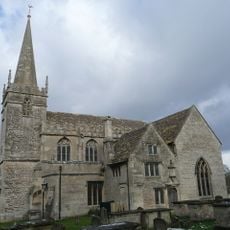
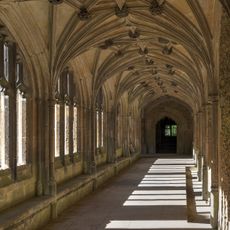
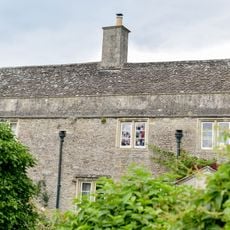
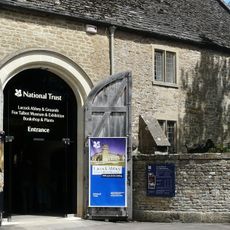
The abbey in the village combines 13th-century stone cloisters with residential rooms that were remodeled centuries later. The spaces include vaulted walkways, large windows, wood-paneled halls, and a museum devoted to early photography housed in a separate building near the entrance.
Ela, Countess of Salisbury, founded the site in 1229 as a convent for Augustinian nuns that operated until Henry VIII dissolved religious houses in 1539. The Talbot family acquired the property and converted it into a private residence while preserving the original cloisters.
William Henry Fox Talbot created the first photographic negative in 1835 at the abbey, leading to the establishment of the Fox Talbot Museum within its grounds.
The National Trust manages the property and offers guided tours through several rooms and exhibitions focused on early photography. Entry is through the village entrance, and a full visit typically takes two to three hours to complete.
William Henry Fox Talbot created the first photographic negative here in 1835, an image of a window on the upper floor. The museum now displays original cameras and prints from his experiments with light-sensitive chemicals.
The community of curious travelers
AroundUs brings together thousands of curated places, local tips, and hidden gems, enriched daily by 91,275 contributors worldwide.