Bury St Edmunds, Parliamentary constituency in the United Kingdom, 1885 onwards
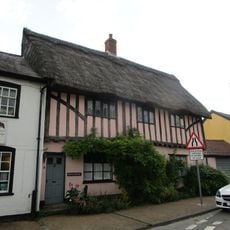
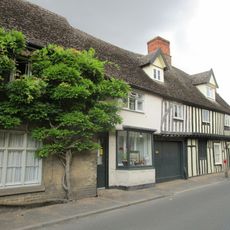
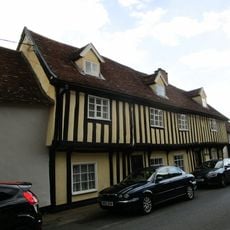
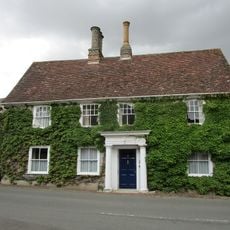
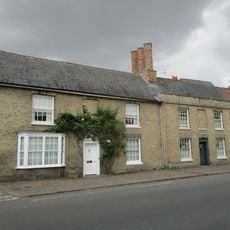
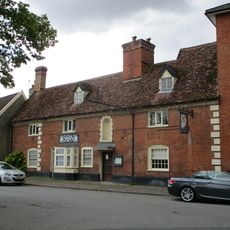
Bury St Edmunds is a small town in Suffolk with a center organized around medieval streets and Georgian squares lined with shops and restaurants. The main features include the ruins of an 11th-century Benedictine abbey set within Abbey Gardens, a Victorian market square, and historic buildings like Theatre Royal from 1819 and St Edmundsbury Cathedral.
The town developed from an 11th-century Benedictine monastery built to honor Saint Edmund, which became a major pilgrimage destination for over 600 years. The abbey was dissolved in 1539, but its ruins and layout shaped the town's medieval structure that survives today in its street patterns and public spaces.
The town's name honors Saint Edmund, a Saxon king whose shrine drew pilgrims from across Europe for centuries. Today you notice how residents and visitors use the medieval streets and Georgian squares to gather for meals, shopping, and celebrations that reflect the place's deep connection to this historical figure.
The town center is small and entirely walkable, with plenty of parking at the edges for visitors arriving by car. Most shops and eating places sit within the medieval streets and around the market square, making navigation straightforward and comfortable for exploring at a leisurely pace.
Theatre Royal, built in 1819, is the last working Regency theatre in England and retains its original interior architecture despite renovations in the 2000s. This blend of authentic historical fabric with active programming makes it a rare example of a living Victorian cultural institution.
The community of curious travelers
AroundUs brings together thousands of curated places, local tips, and hidden gems, enriched daily by 90,766 contributors worldwide.