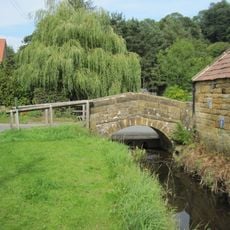
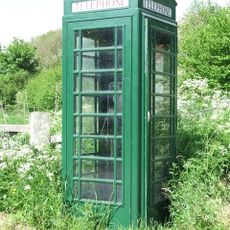
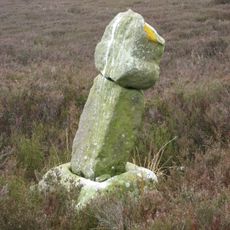
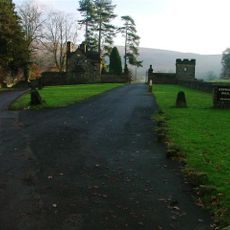
Hambleton Hills, Hill chain in North Yorkshire, England
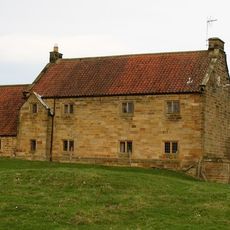
Hambleton Hills is a ridge running north to south that forms a natural boundary between the North York Moors and Vale of Mowbray. Black Hambleton reaches about 1,300 feet in elevation, while Sutton Bank provides viewing points across the Vale of York and Vale of Mowbray.
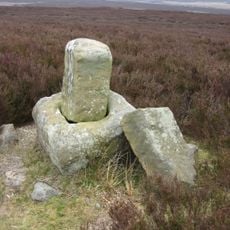
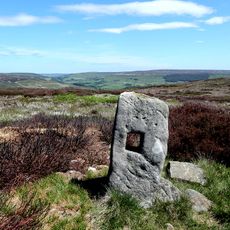
The area shows traces of very early settlement with burial sites from the Neolithic and Bronze Ages found along the ancient Hambleton Drove Road. This old trade route connected Scotland to southern England and shaped how this region was used for thousands of years.
The hills are known for the Kilburn White Horse, a limestone carving made in 1857 by a local schoolmaster, which remains visible across the surrounding landscape. This landmark shapes how people see and remember the area, drawing visitors who want to spot it from different vantage points.
The area is fairly easy to access, with several walking paths and viewpoints reachable over short distances. It is wise to wear sturdy footwear since the ground can be uneven and weather can change quickly.
In medieval times, the area was a center of pottery making where York Glazed Ware was produced in large quantities. These finely made ceramic goods were widely traded and show the skilled manufacturing reputation this region held in the 12th and 13th centuries.
The community of curious travelers
AroundUs brings together thousands of curated places, local tips, and hidden gems, enriched daily by 91,825 contributors worldwide.