Gwent, Preserved county in southeastern Wales
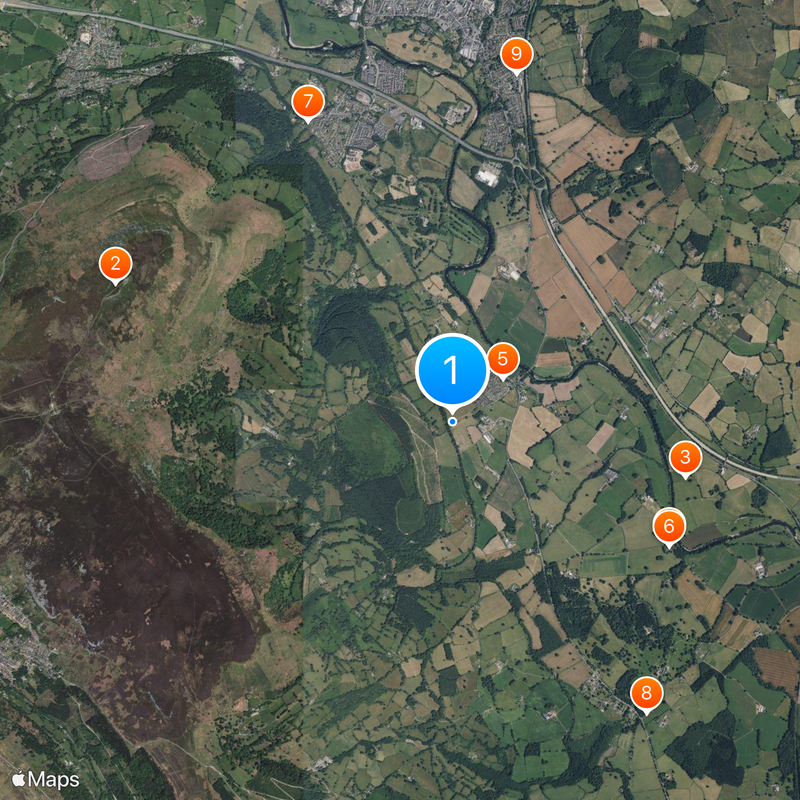
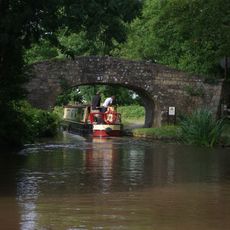
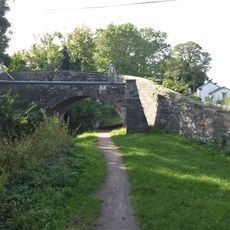
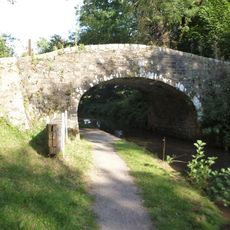
Gwent is a preserved county in southeastern Wales situated between the Brecon Beacons and the Bristol Channel. It covers five administrative areas—Blaenau Gwent, Caerphilly, Monmouthshire, Newport, and Torfaen—each with distinct terrain ranging from industrial valleys to moorland plateaus.
Gwent takes its name from an ancient kingdom that once ruled these lands, later becoming a Roman settlement and then a Norman stronghold. Created as an administrative county in 1974, it lost formal status in 1996 though its identity remains embedded in local institutions.
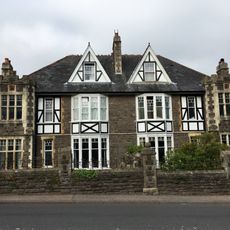
The area carries strong echoes of coal mining through its landscape and communities, where former pit villages tell stories of workers and their families. Local place names and buildings reflect centuries of connection to the land and its resources.
The region is best explored by car, as public transport connects main towns but rural areas have limited service. Weather changes quickly, so visitors should come prepared with waterproof layers and sturdy shoes.
Though formally abolished as an administrative area in 1996, major organizations like the Royal Gwent Hospital, Gwent Police, and Coleg Gwent continue using its name in their titles. This unofficial persistence means the region's identity survives through the work and presence of these institutions rather than through official boundaries.
The community of curious travelers
AroundUs brings together thousands of curated places, local tips, and hidden gems, enriched daily by 90,793 contributors worldwide.