Easington Colliery, village in County Durham, England, UK
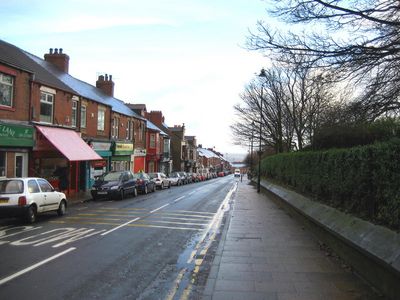
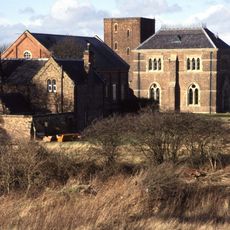
Easington Colliery is a village in County Durham that grew around a coal mine opened in 1899. The former mining site now contains footpaths, a nature reserve, and a picnic area, while nearby the Paynote Cafe sits in a building that once served as the colliery's wages office.
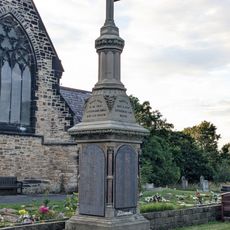
The mine opened in 1899 and quickly became the economic foundation of the village, employing thousands in underground operations. On 29 May 1951, an explosion in the workings killed 83 people including rescue workers, marking one of the worst mining disasters in the region.
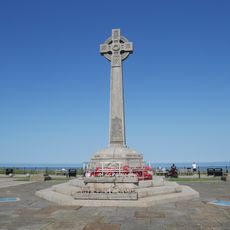
The village's name and identity come directly from its former coal mine, which continues to shape how residents see themselves. Community traditions live on through annual memorial gatherings, a brass band founded in 1915, and stories passed down about miners and mining life that still matter to families here.
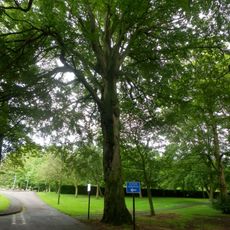
The village is easy to explore on foot, with established paths crossing the former mining grounds and connecting to coastal walks. Visitors should stay on the marked paths to protect the wildflowers and grasses that provide habitat for insects and small wildlife.
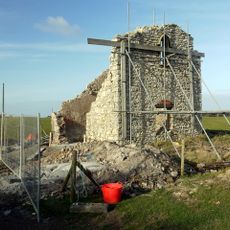
A replica of the old mine shaft now stands overlooking the sea, serving as a visual reminder of the site's industrial past. The village also featured in the film Billy Elliot, bringing wider attention to the stories and struggles of mining communities.
The community of curious travelers
AroundUs brings together thousands of curated places, local tips, and hidden gems, enriched daily by 92,749 contributors worldwide.