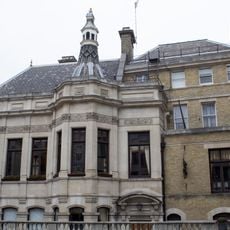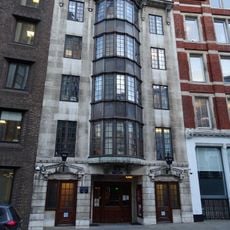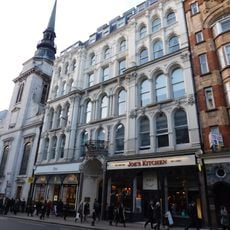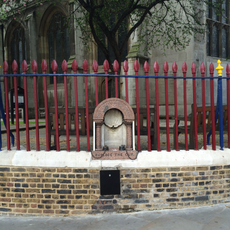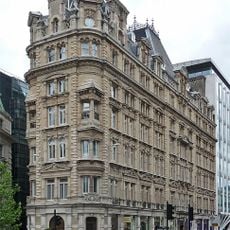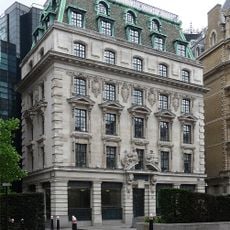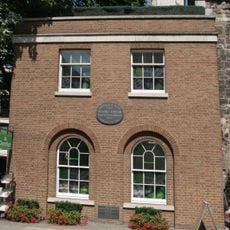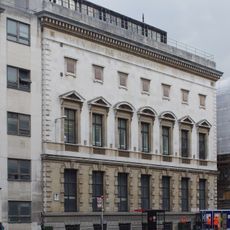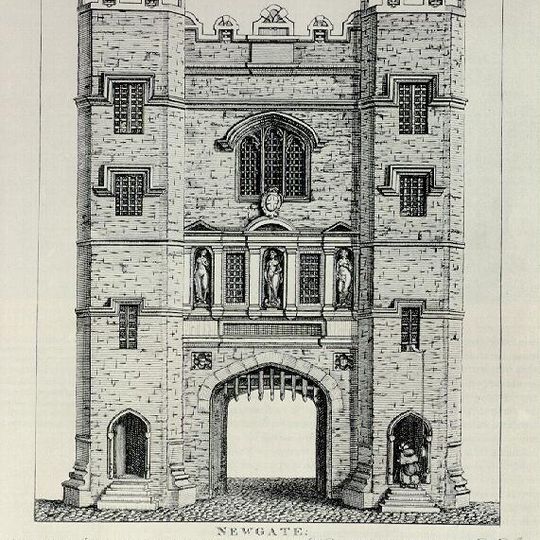
Newgate Prison, Medieval prison in City of London, England
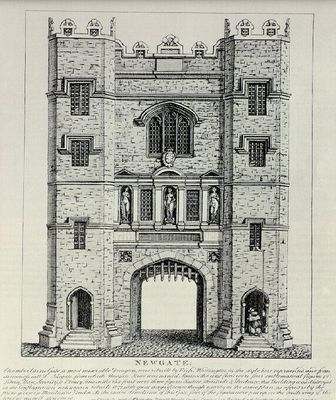
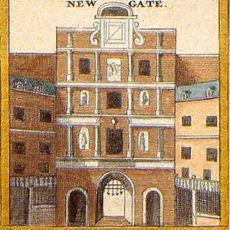
Newgate Prison was a multi-story brick building with separate wings for men and women, along with a yard where executions took place. Heavy stone walls with few windows to the outside and narrow corridors led to small, dark cells where several prisoners were often held together.
The prison began in the 12th century next to an old Roman city gate and was rebuilt by Christopher Wren after the great city fire of 1666. In 1780, the Gordon Riots destroyed parts of the building, and the prison was renovated again before closing permanently in 1902.
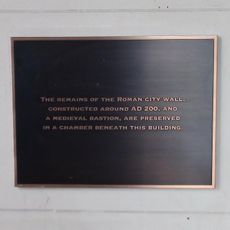
The name comes from the Roman gate that once stood here, later replaced by a newer entrance to the walled city. Visitors today see the remains of a massive prison wall in Amen Court, which separated criminals from the city for centuries.
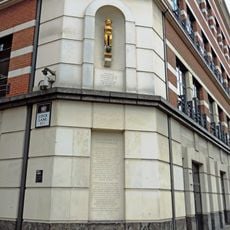
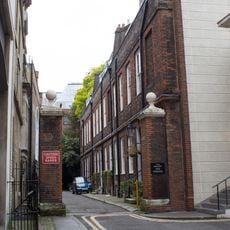
The remains of the prison wall are found in Amen Court, a quiet alley behind the current court building. The spot is reachable on foot from St Paul's station in a few minutes, and the old church of St Sepulchre nearby still displays the original execution bell.
The execution bell from St Sepulchre was rung twelve times the night before each execution to remind the condemned of their approaching end. A bellman carried the bell through an underground passage right up to the cell door so the sound could be heard throughout the prison.
The community of curious travelers
AroundUs brings together thousands of curated places, local tips, and hidden gems, enriched daily by 90,902 contributors worldwide.