Petrie Museum of Egyptian Archaeology, Archaeological museum in Bloomsbury, London, England
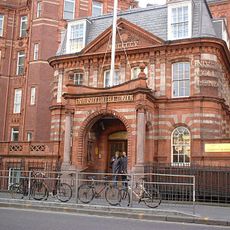
The Petrie Museum is a collection of Egyptian artifacts housed in a historic building at University College London, preserving over 80,000 objects spanning thousands of years. The displays range from tiny everyday items to more complex pieces that reveal how people lived in ancient Egypt.
The collection began in 1892 when Amelia Edwards bequeathed her Egyptian objects and established the museum's foundation. It expanded substantially in 1913 when William Flinders Petrie donated his entire collection, creating the core of what exists today.
The name honors Flinders Petrie, a pioneer who shaped how archaeologists study Egypt through careful documentation and systematic recording. Visitors can see how the displays reflect his approach, treating everyday objects with the same care as rare treasures.
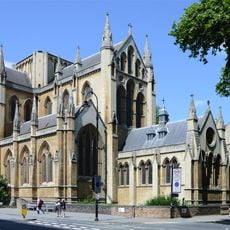
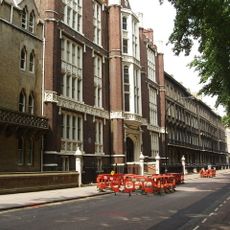
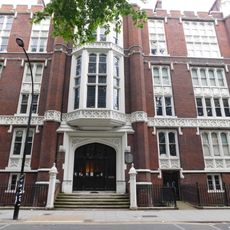
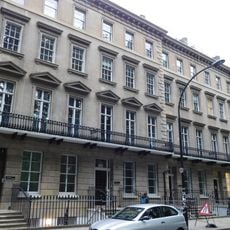
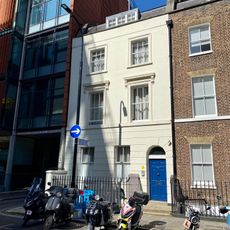
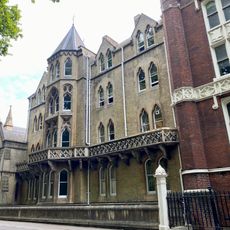
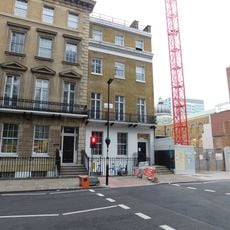
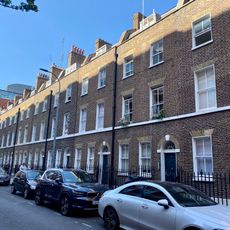
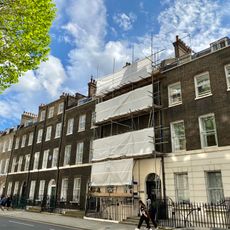
The museum is located in the Bloomsbury neighborhood within a university building, easily accessible on foot from the area's main streets. A visit typically takes one to two hours depending on how thoroughly you want to explore the collections.
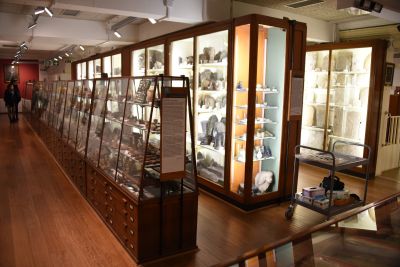
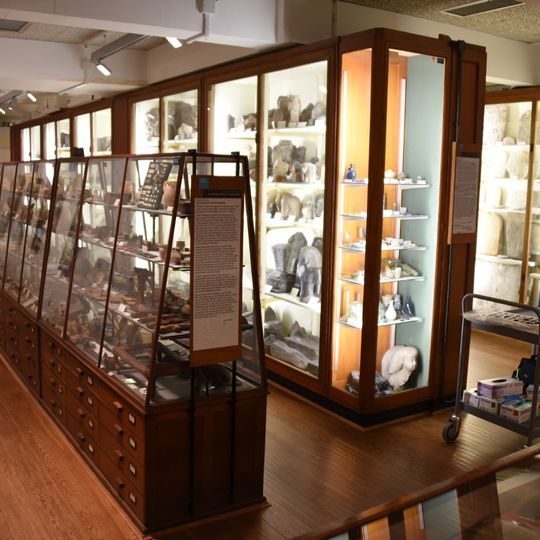
The collection maintains original Victorian display cases containing hundreds of small finds from precisely documented archaeological excavation sites. This style of presentation has become uncommon as most museums have modernized their displays.
The community of curious travelers
AroundUs brings together thousands of curated places, local tips, and hidden gems, enriched daily by 90,892 contributors worldwide.