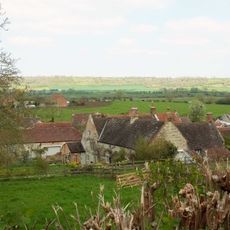
Low Ham Roman Villa, Roman villa ruins in High Ham, England
Low Ham Roman Villa was a working farm estate with residential buildings, a bath house, and various functional spaces arranged around a central courtyard. The western residential wing and its associated outbuildings were constructed on gently sloping ground oriented toward the northeast.
The villa developed during the Roman settlement of Britain and remained inhabited and in use across multiple centuries. A farmer discovered it accidentally in 1938, which prompted major archaeological excavations from 1946 to 1955.
The site reveals how Roman settlers organized their daily life, combining farming with domestic comfort through the arrangement of residential and working spaces around a central courtyard. This layout shows how families integrated agricultural production with the rhythms of home living.
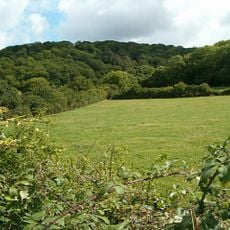
A walk to the open-air site is needed, as the ruins are located in countryside and require travel on foot to reach them. The best time to visit is during drier seasons, when you can more safely navigate between the foundations and wall remnants.
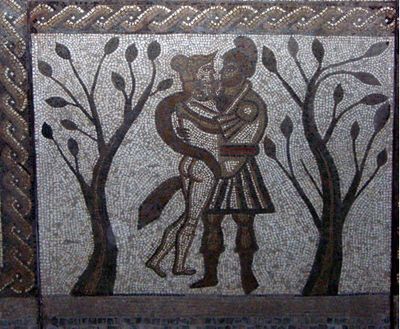
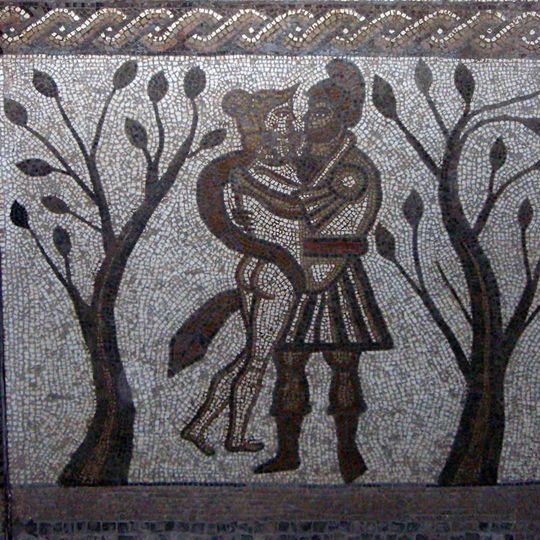
The estate housed one of England's earliest narrative art representations, shown through floor mosaics depicting scenes from Virgil's Aeneid. These artworks remained remarkably preserved at the time of discovery and display sophisticated Roman craftsmanship.
The community of curious travelers
AroundUs brings together thousands of curated places, local tips, and hidden gems, enriched daily by 91,836 contributors worldwide.