Fotheringhay, village in Northamptonshire, United Kingdom
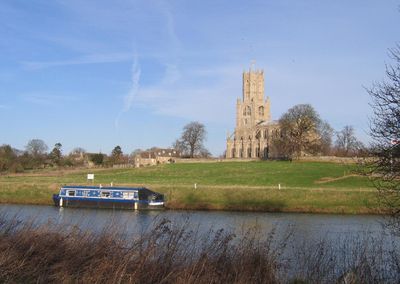
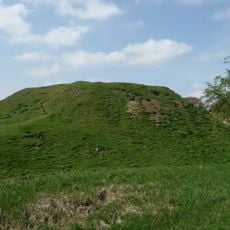
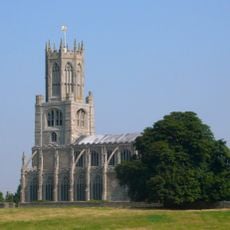
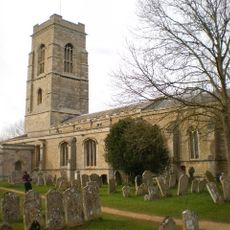
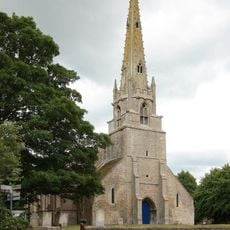
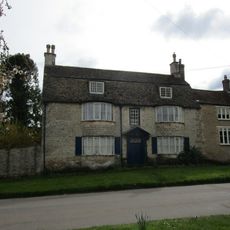
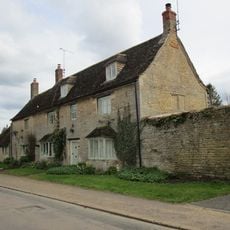
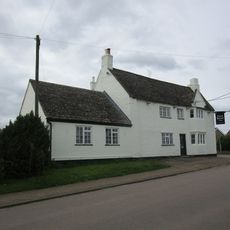
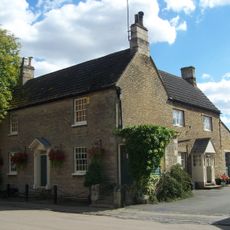
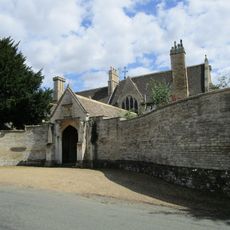
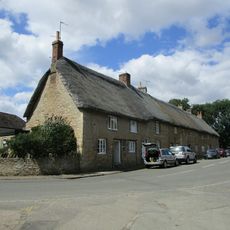
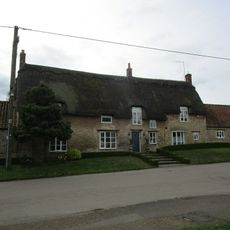
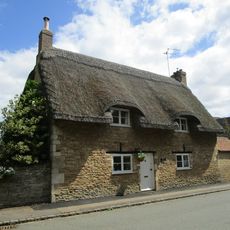
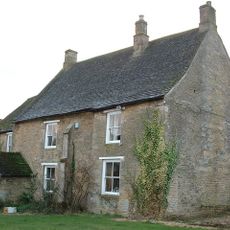
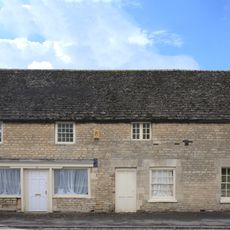
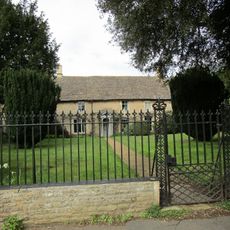
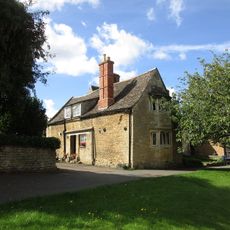
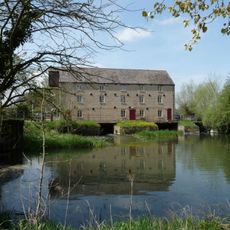
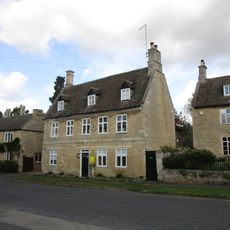
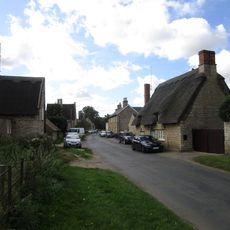
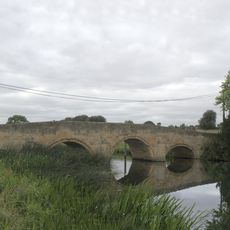
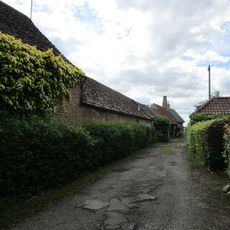
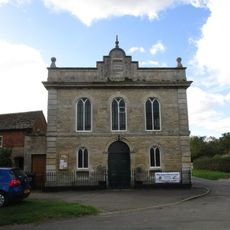
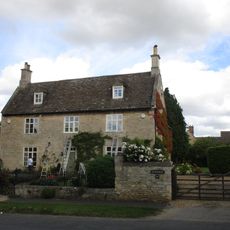
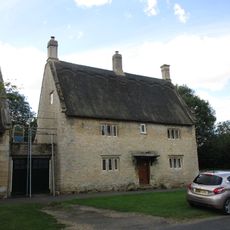
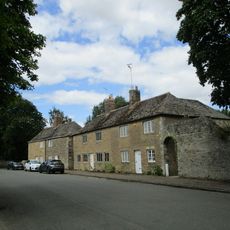
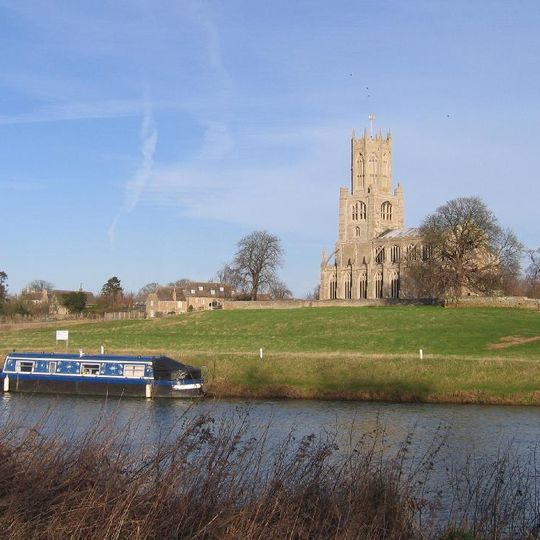
Fotheringhay is a small village in North Northamptonshire situated along the River Nene with stone cottages scattered along its quiet streets. The Church of St Mary and All Saints stands as the focal point, featuring tall Perpendicular windows and a tower, while a grassy mound on higher ground marks where the castle once stood.
The village was recorded in the Domesday Survey of 1066 and gained importance when the Earls of Huntingdon built a castle here in the 11th century. In 1377, King Edward III gave the castle to his son Edmund Langley, first Duke of York, transforming Fotheringhay into a major seat of the Yorkshire dynasty.
The village reflects its deep ties to the House of York through visible markers and visitor traditions. Every year, people place white roses on Richard III's tomb in the church to honor his birth, a practice that keeps the royal connection alive in people's memories today.
The village is best explored on foot using the footpath network, particularly the Nene Way which passes through the area. Wear comfortable walking shoes and be prepared for muddy conditions after rain, as the paths cross open fields and can be wet and soft underfoot.
In 1587, Mary, Queen of Scots, was brought to Fotheringhay, tried, and executed here, an event that brought international attention to this small village. The castle's role in this tragic moment remains one of the most famous episodes in English history and continues to draw visitors interested in this dark chapter.
The community of curious travelers
AroundUs brings together thousands of curated places, local tips, and hidden gems, enriched daily by 90,807 contributors worldwide.