Heptonstall, village in Calderdale, West Yorkshire, England, UK
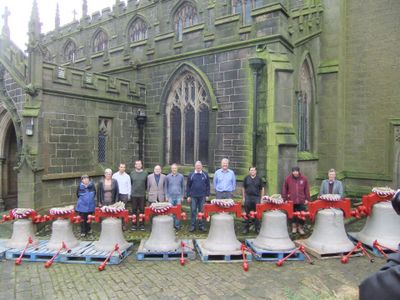
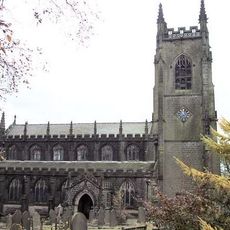
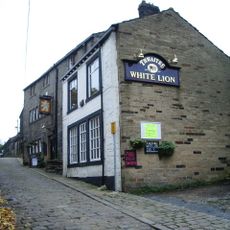
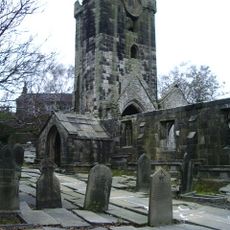
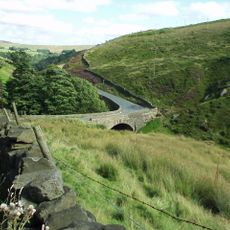
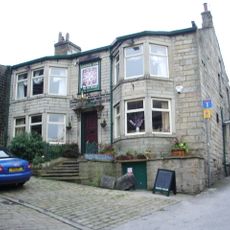
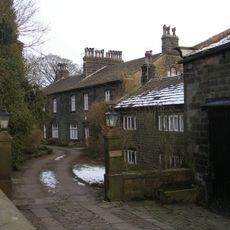
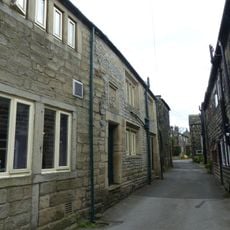
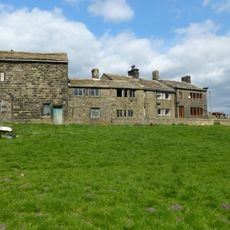
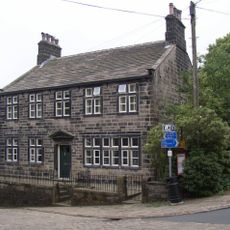
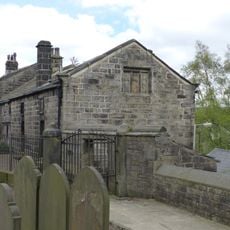
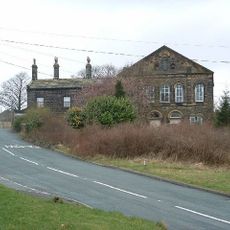
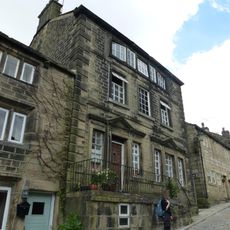
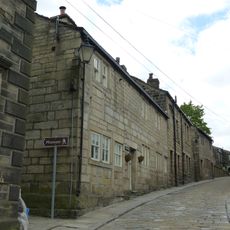
Heptonstall is a stone-built village in Calderdale, sitting on a high ridge in the Pennines above the valley town of Hebden Bridge. Cobbled lanes run between tightly packed houses and open onto a small central square where two church buildings stand side by side.
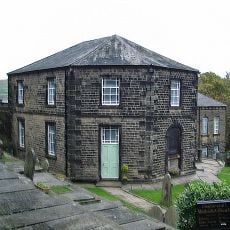
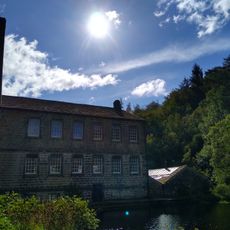
The village grew in the Middle Ages as a center for wool trading and hand-loom weaving, becoming one of the more active textile points in the region. When powered mills moved into the valleys during the 18th century, the trade shifted downhill and the village was largely left as it was.
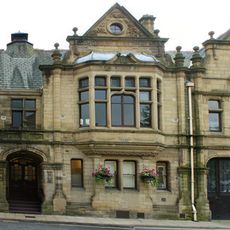
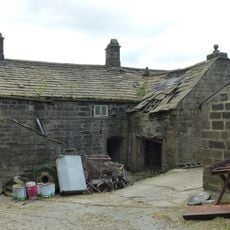
The name Heptonstall comes from Old English and refers to a hilltop settlement. A restored weavers' cottage near the village center gives a concrete sense of how daily working life looked for the people who once lived here.
The village is on a hilltop with very limited bus service, so most visitors arrive by car or on foot from Hebden Bridge below. The cobbled streets are uneven in places, and sturdy footwear makes the walk much more comfortable.
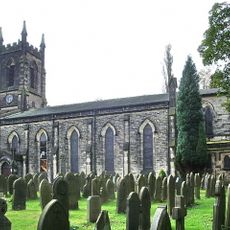
The poet Sylvia Plath is buried in the churchyard here, and her grave draws visitors from many countries who leave pens and pencils as a quiet tribute. She and Ted Hughes were also married in the church that still stands on the same site.
The community of curious travelers
AroundUs brings together thousands of curated places, local tips, and hidden gems, enriched daily by 92,632 contributors worldwide.