London Clay, Marine geological formation in Southeast England
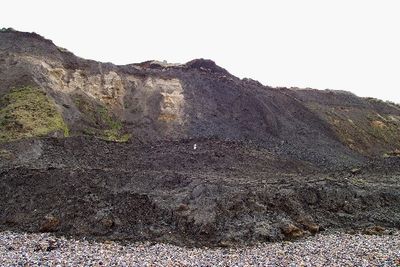
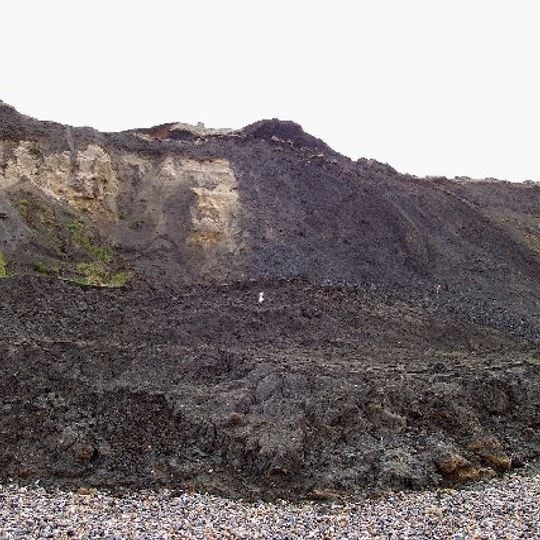
London Clay is a geological layer of marine sediment found across Southeast England, formed from fine mud and silt deposited on an ancient seafloor. The deposit extends widely underground and contains abundant fossils from its oceanic past.
This clay layer formed approximately 50 to 54 million years ago when the region lay beneath a warm, shallow ocean. It accumulated gradually as marine organisms died and sediments settled on the seafloor over time.
Scientists study fossil specimens from the London Clay to understand the environmental conditions and marine life during the Eocene period.
The clay is relatively easy to excavate and remains stable during tunneling work, allowing engineers to progress without excessive water problems. This makes underground construction projects in the area straightforward and manageable for professionals.
The clay contains rounded stone structures called septaria that formed from ancient bacterial activity on the seafloor and were later quarried for cement production. These distinctive formations made the material historically important for industrial use.
The community of curious travelers
AroundUs brings together thousands of curated places, local tips, and hidden gems, enriched daily by 60,000 contributors worldwide.