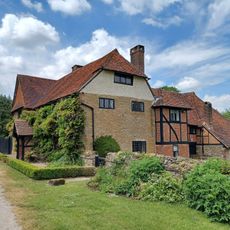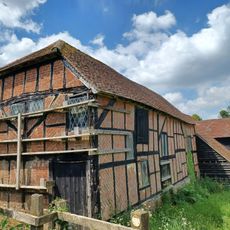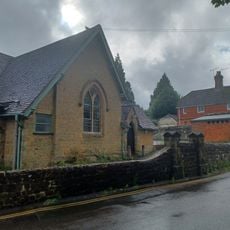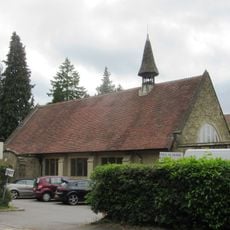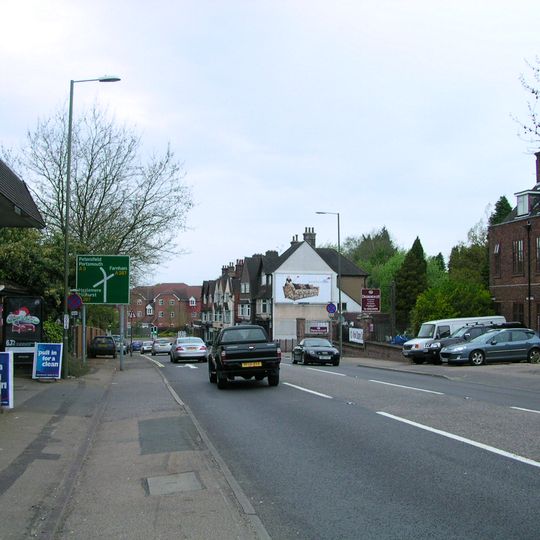
Hindhead, village in the English county of Surrey
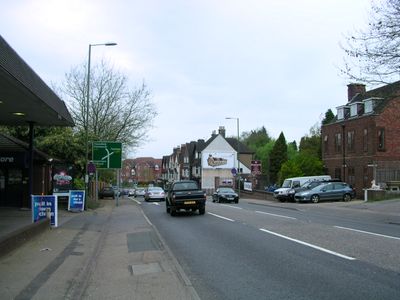
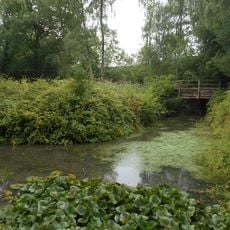
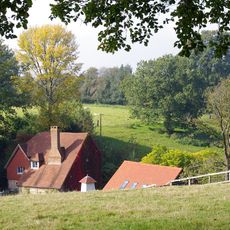
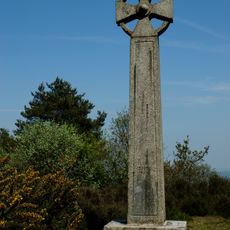
Hindhead is a small village in Surrey on the border with Hampshire, sitting at around 650 to 870 feet (200 to 265 meters) elevation, making it the highest village in the county. The landscape features wooded roads, rolling hills, and open heathland with ferns, gorse, and heather dotting the terrain.
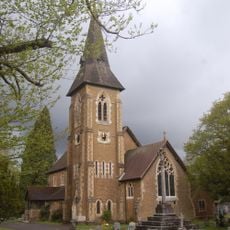
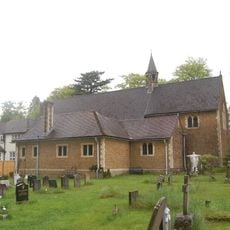
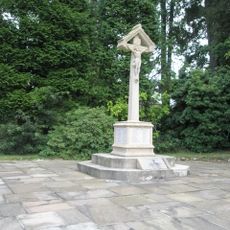
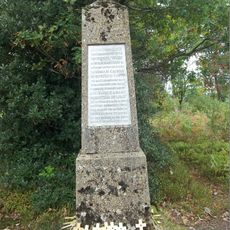
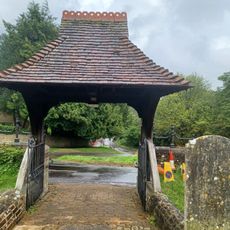
In the 1700s, Hindhead gained notoriety as a hideout for highwaymen who robbed travelers, with some executed and displayed on Gibbet Hill. The village expanded in the late 1800s as a proper settlement, and St. Alban's Church was built between 1904 and 1907 to serve the growing community.
The name Hindhead comes from 'hind,' an old word for female deer, reflecting the area's long connection to local wildlife. Visitors often spot deer roaming in nearby woods, creating a living link to the village's past identity.
The nearest railway station is at Haslemere, about 2 miles (3 kilometers) away, with buses connecting to nearby villages and towns. A tunnel passing underneath the village has transformed the old main roads into green spaces and walking paths, making it easy to explore the area on foot.
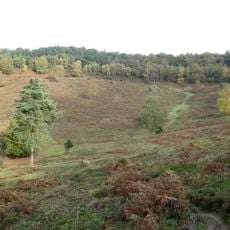
The nearby Devil's Punch Bowl is a natural amphitheater carved into the landscape with steep sides and a wide open center, formed over thousands of years through natural processes and now maintained by the National Trust. This distinctive landform was featured on a television program about natural wonders in 2005 and has since become a favorite spot for hikers and nature enthusiasts.
The community of curious travelers
AroundUs brings together thousands of curated places, local tips, and hidden gems, enriched daily by 91,248 contributors worldwide.