Whipple Museum of the History of Science, University science museum in Cambridge, England
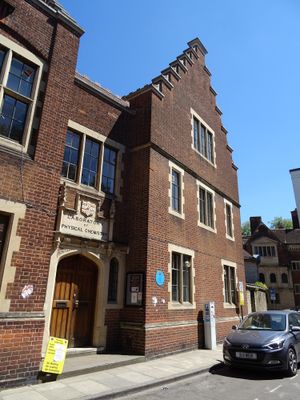
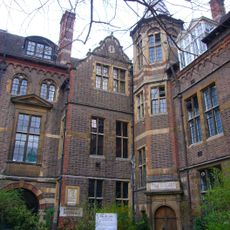
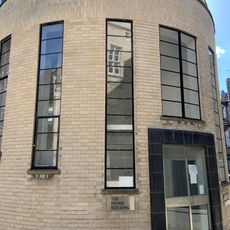
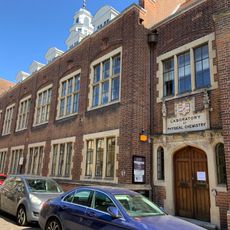
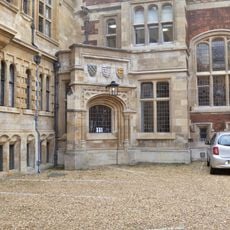
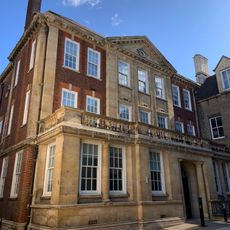
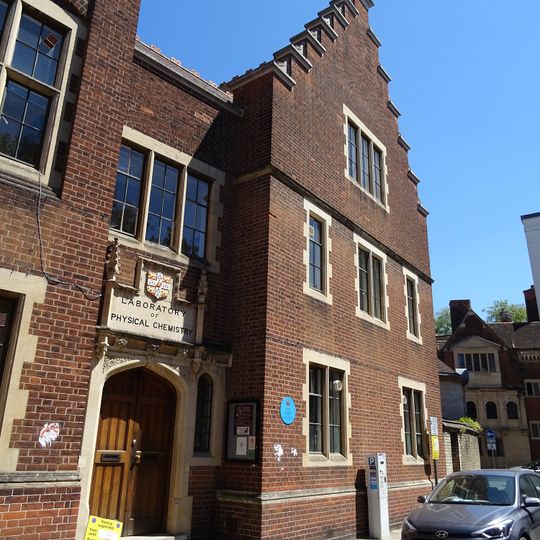
The Whipple Museum of the History of Science is a university museum on Free School Lane in Cambridge, displaying scientific instruments from several centuries. The collection covers telescopes, microscopes, globes, astronomical devices, and mathematical models drawn from across the history of Cambridge University.
Robert Whipple, head of the Cambridge Scientific Instrument Company, spent decades gathering historical scientific tools and gave his collection to Cambridge University in 1944. The museum later moved to its current building and grew as the university added objects from its own departments.
Many of the tools on display were once used in Cambridge lecture rooms and laboratories, not just collected for show. Walking through the rooms gives a sense of how scientific practice shifted over the centuries, from hand-drawn diagrams to precision instruments.
The museum is on Free School Lane, in the heart of Cambridge, and easy to reach on foot from the main streets. Access is step-free throughout, and the rooms are small enough to visit without feeling rushed.
Among the objects on display is the microscope Charles Darwin used in 1846 to study marine creatures, well before he published his most famous work. It shows clear signs of use, which makes it feel less like a relic and more like a tool someone relied on every day.
The community of curious travelers
AroundUs brings together thousands of curated places, local tips, and hidden gems, enriched daily by 91,921 contributors worldwide.