Polzeath, village in Cornwall, England, UK
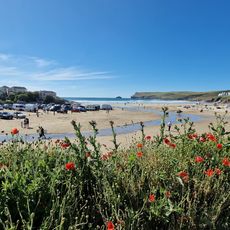
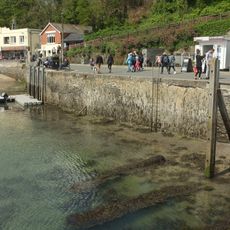
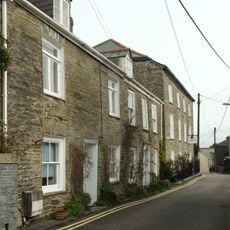
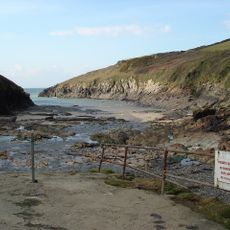
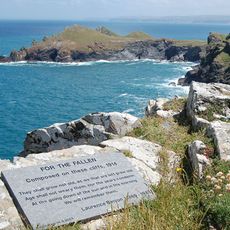
Polzeath is a small village on a headland opposite Padstow with a wide sandy beach surrounded by cliffs and rocks. The water features strong waves that draw surfers, while the area also has rock pools with crabs and other sea creatures that children can explore.
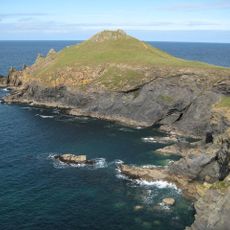
An Iron Age fort stands on the double headland called The Rumps, built to protect the area long ago, while archaeologists found pottery showing trade links with the Mediterranean. Later, the village became a favorite spot for poet Sir John Betjeman, whose legacy remains present today.
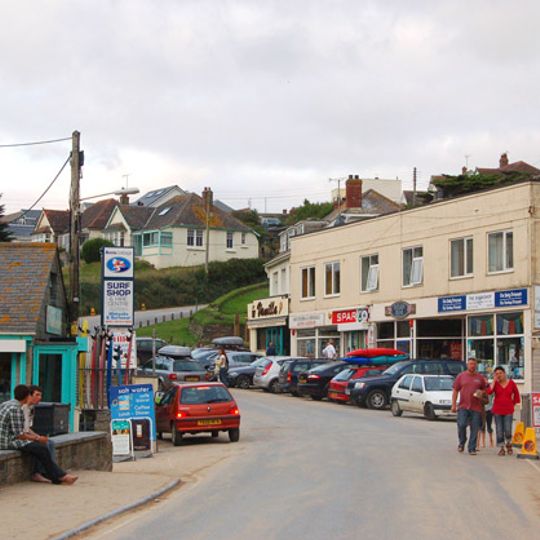
Polzeath takes its name from the Cornish language, with 'Pol' referring to a pool or marshy area. The village is shaped by surf culture today, with wetsuits and surfboards visible throughout, creating a distinctive character that visitors notice immediately.
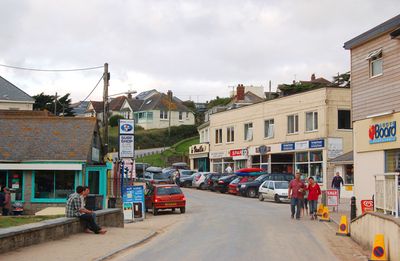
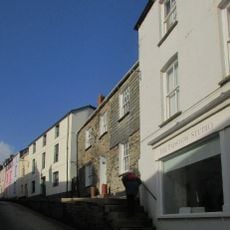
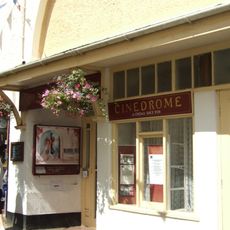
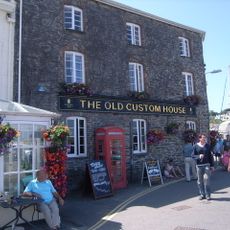
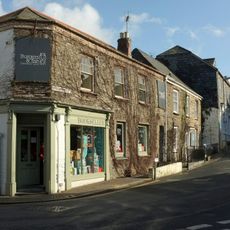
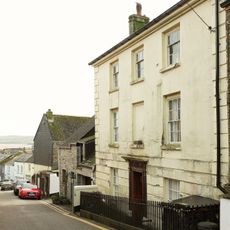
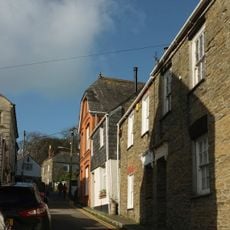
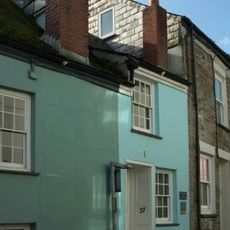
The village is easily reached by car from the M5, with a large car park right on the beach that fills quickly in summer. Visitors find various cafes, restaurants, and shops along the main street, as well as a coastal path leading to other nearby spots.
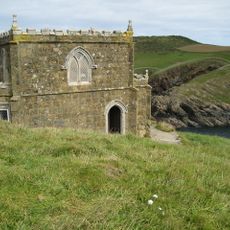
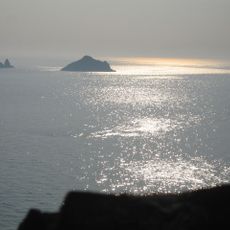
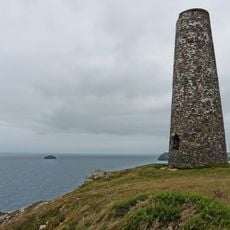
A large rock called The Mouls lies offshore and serves as a haven for birds like puffins and gannets, making it a popular spot for bird watchers. Additionally, Doyden Castle stands on a nearby hill, a 19th-century structure built as a decorative folly.
The community of curious travelers
AroundUs brings together thousands of curated places, local tips, and hidden gems, enriched daily by 92,318 contributors worldwide.