Cowgate, street in Edinburgh, Scotland, UK
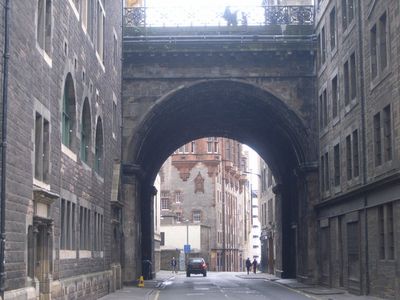
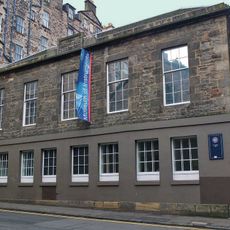
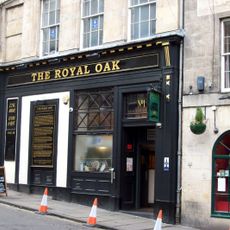
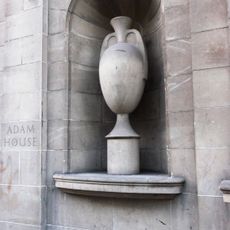
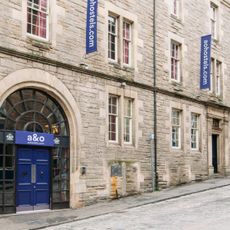
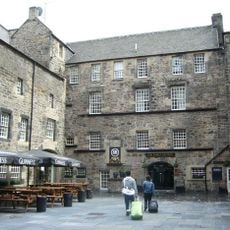
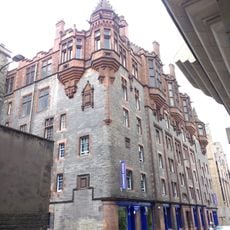
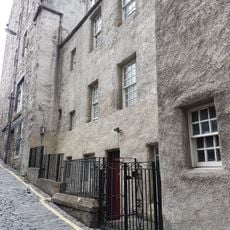
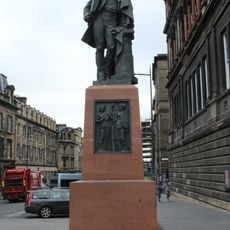
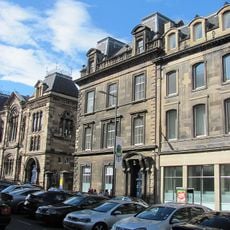
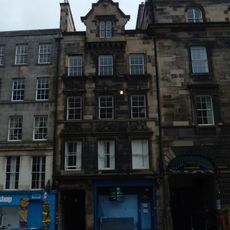
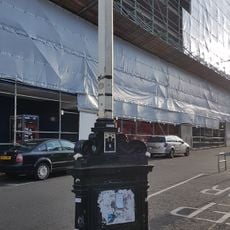
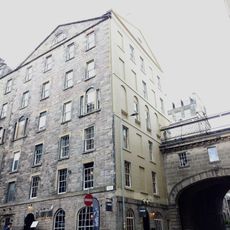
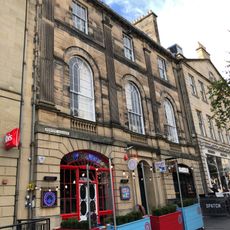
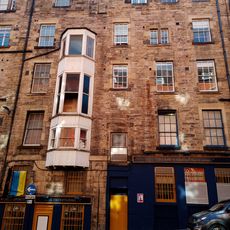
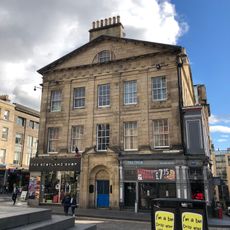
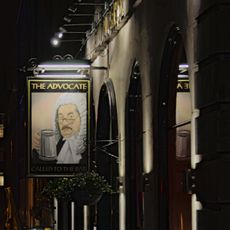
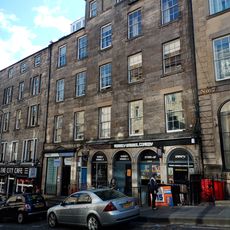
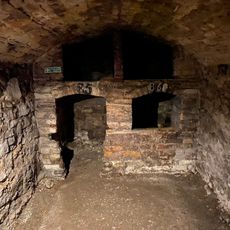
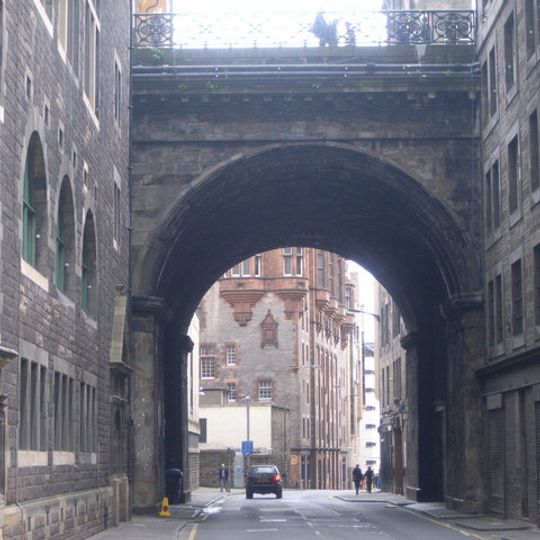
Cowgate is a street running through the heart of Edinburgh's Old Town, stretching from Holyrood Road under George IV Bridge to the Grassmarket, and sitting in a natural valley that places it below the surrounding streets. The street features a mix of buildings dating from the 16th and 18th centuries, with stone walls and narrow alleys creating a historic streetscape filled with shops, pubs, and theaters.
Cowgate developed around 1330 as the first expansion of Edinburgh beyond the original city walls and served as a route for herding cattle to market. In the 16th century, the street was enclosed within new city walls, developing into a wealthy residential area, but it declined as the New Town was built and Irish immigrants arrived in large numbers during the 18th century.
The name Cowgate comes from the cattle that were herded along this route to market, with 'gate' meaning 'way' in Scots. Today, the street carries the cultural imprint of the Irish community that has lived and worked here since the 18th century, visible in the pubs, shops, and gatherings that fill its spaces.
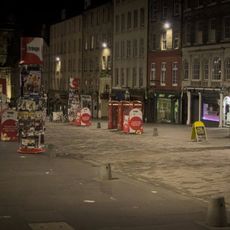
The street is easily accessible and serves many visitors as a natural passage between Holyrood Road and the Grassmarket, with numerous shops and restaurants along the way. During the Edinburgh Festival, the street comes alive with performances and street artists, but it maintains its historic appeal and activity throughout the year.
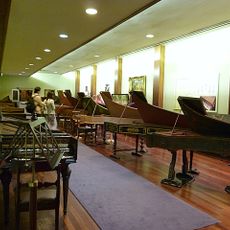
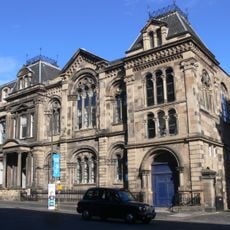
The street is home to Magdalen Chapel, built in the 1500s and featuring Scotland's only surviving pre-Reformation stained glass windows. Another notable detail is St Cecilia's Hall, constructed in 1761 for a musical society and still housing a small museum of musical instruments and a concert space.
The community of curious travelers
AroundUs brings together thousands of curated places, local tips, and hidden gems, enriched daily by 91,865 contributors worldwide.