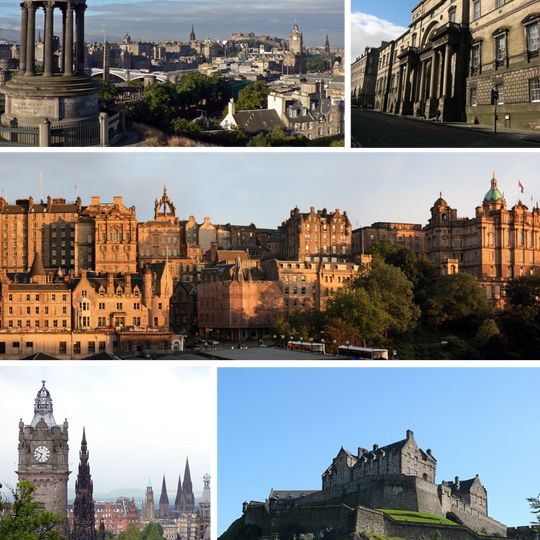
City of Edinburgh, Administrative district in southeastern Scotland.
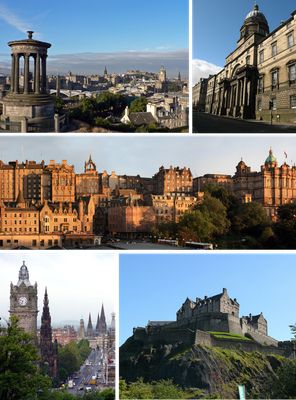
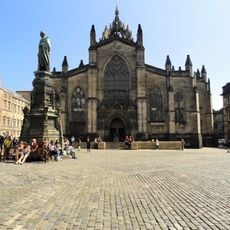
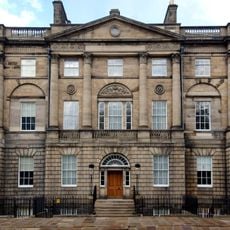
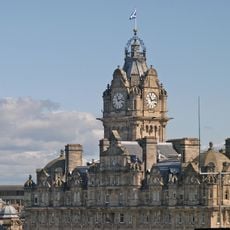
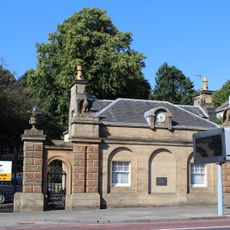
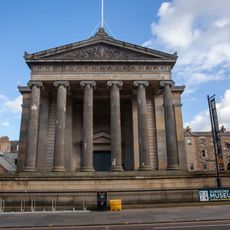
This council area in southeastern Scotland extends from the Firth of Forth estuary to the Pentland Hills. It contains two distinct historic quarters: the medieval Old Town with narrow winding streets and the New Town built in the 1700s with wide avenues and uniform stone facades.
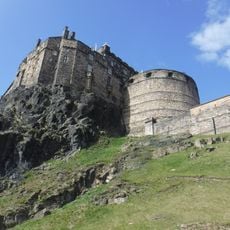
The area evolved from a Celtic settlement into Scotland's administrative hub, with the castle built on volcanic rock during medieval times. The New Town was planned and constructed in the 1700s to accommodate growth and modernize the city beyond the confines of the medieval Old Town.
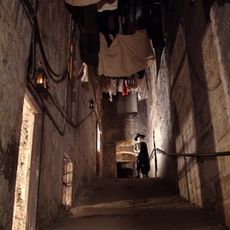
The Old Town features narrow medieval alleyways and courtyards where shops and restaurants occupy centuries-old buildings, creating a lived-in historic setting. You can watch locals and visitors navigate these spaces daily, blending contemporary life with the rhythm of the past.
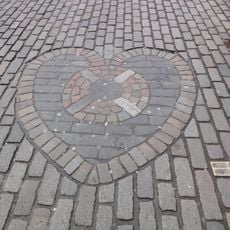
The medieval Old Town has narrow cobblestone streets that become slippery in wet weather and require comfortable walking shoes with good grip. The New Town is flatter and easier to navigate, making it better suited for extended walks around the geometric grid of streets.
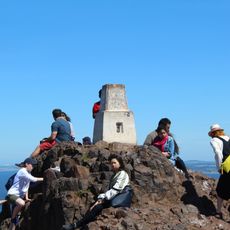
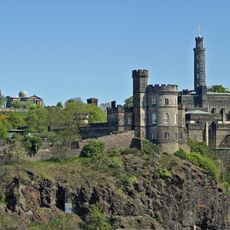
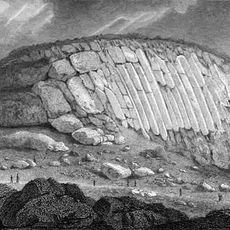
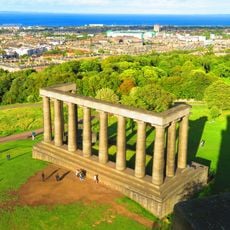
The landscape sits atop volcanic hills such as Castle Rock and Arthur's Seat, formed by hardened lava during the ice age millions of years ago. These peaks shaped where buildings and streets could be placed, and they provided natural defense positions for the medieval settlement.
The community of curious travelers
AroundUs brings together thousands of curated places, local tips, and hidden gems, enriched daily by 90,849 contributors worldwide.