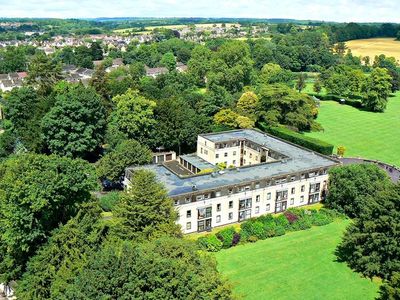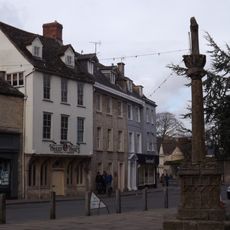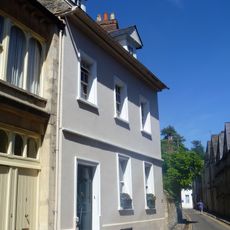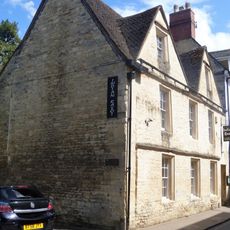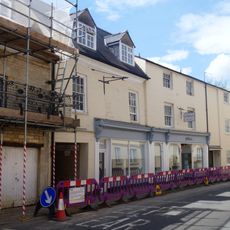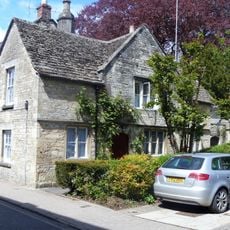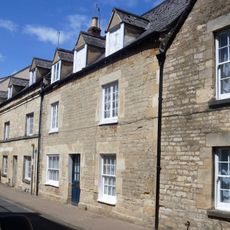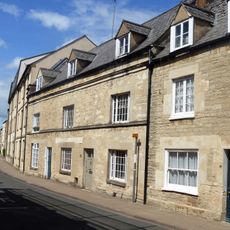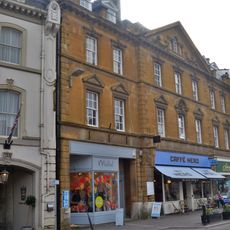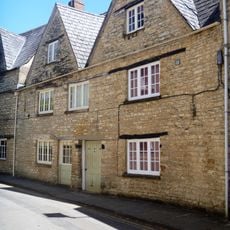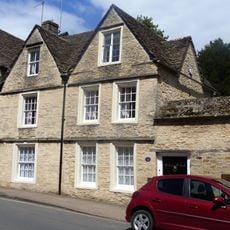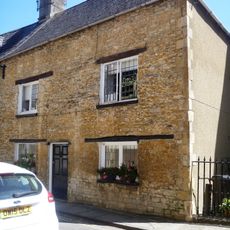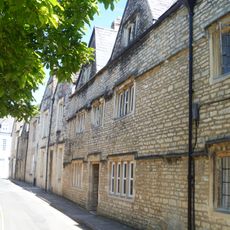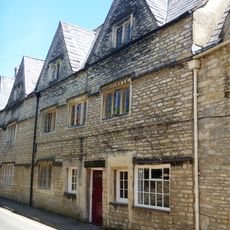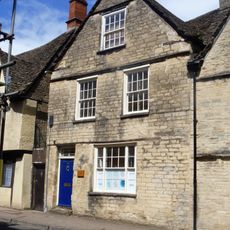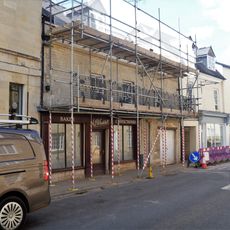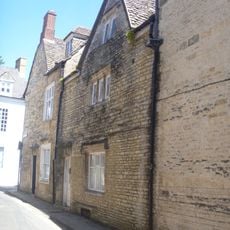
Abbey House, Cirencester, English country house in Cirencester, England
Abbey House was a three-story residence with five window bays and a semicircular entrance, designed by William Donn in the 1770s. The site was transformed into a public park in 1965, where only a Norman arch and sections of the old boundary wall remain today.
The original estate was established in 1564 when Richard Master, physician to Queen Elizabeth I, received the land following the dissolution of Cirencester Abbey. The house underwent later modifications in the 18th century and shaped the site's role in local history until the land became a park.
The house was home to a family whose members shaped public life in town for generations through their involvement in government. Visitors can still sense this connection to local affairs when exploring the remaining architectural fragments on the site.
The site is accessible today as a park where the remaining structures can be explored on foot. It is worth checking in advance whether special guided tours or opening hours apply, as the grounds are protected heritage.
During the English Civil War, the house briefly sheltered members of the royal family despite the owners facing serious financial difficulties. This episode reveals the family's complicated political position during a time of great uncertainty.
The community of curious travelers
AroundUs brings together thousands of curated places, local tips, and hidden gems, enriched daily by 91,438 contributors worldwide.